



















Recently viewed products
The Medieval Collection
Welcome to the Epic Armoury Medieval Collection, your complete base for exploring the history, materials, and forms of the Middle Ages.
The Middle Ages is a vast and fascinating period, spanning a full millennium from the 5th to the 15th century. This page is designed to give you a strong, informative grounding in the medieval period, showing you how clothing, armour, weapons, and construction evolved across these centuries.
Whether you are preparing for LARP, an historical reenactment, a medieval fair, or simply studying the past, the items in this collection are inspired by a wide range of historical eras and cultures.
Underneath this general overview, you will find our deeper categories, focusing on specific gear and clothing types.
What Defines the Middle Ages
To truly appreciate medieval times, it helps to understand the historical context that shaped it. Between the 5th and 15th centuries, Europe experienced profound shifts that directly influenced the objects people wore and used.
Major factors like population shifts, the expansion of trade networks, and changes in agricultural practices led to the rise of specialised crafts. You see the growth of tailoring and textile production for clothing, as well as specialised metalwork for armour and weapons.
These developments help explain the sheer variety of items in this collection. An early medieval tunic looks and functions completely differently from a late medieval fitted gown, and an early-era helmet has a different design purpose than a late-era visored bascinet. By understanding the context, you understand the form.
The Three Eras of Middle Ages
The thousand-year span of the Middle Ages is typically divided into three periods. Looking at these three eras helps you understand the major shifts in technology and fashion that occurred over time.
Early Middle Ages, 5th to 10th Century
This era is characterised by practicality and relative simplicity in construction.
-
Clothing: You see straight-cut garments made primarily from linen and wool. Tunics and simple cloaks, often fastened with a single brooch, were standard. Dyes were expensive and limited, meaning natural colours dominated. Tailored shapes were not common.
-
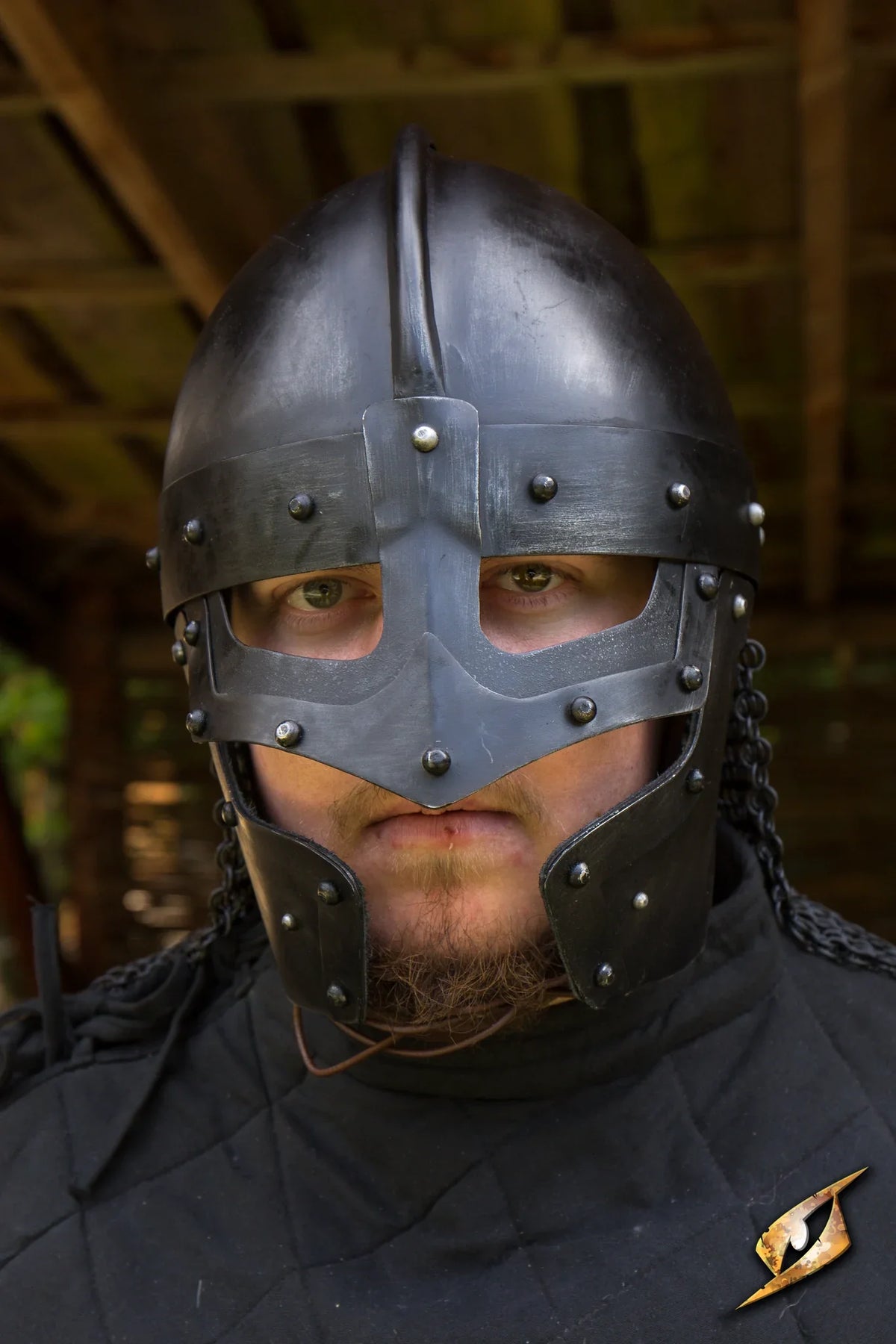
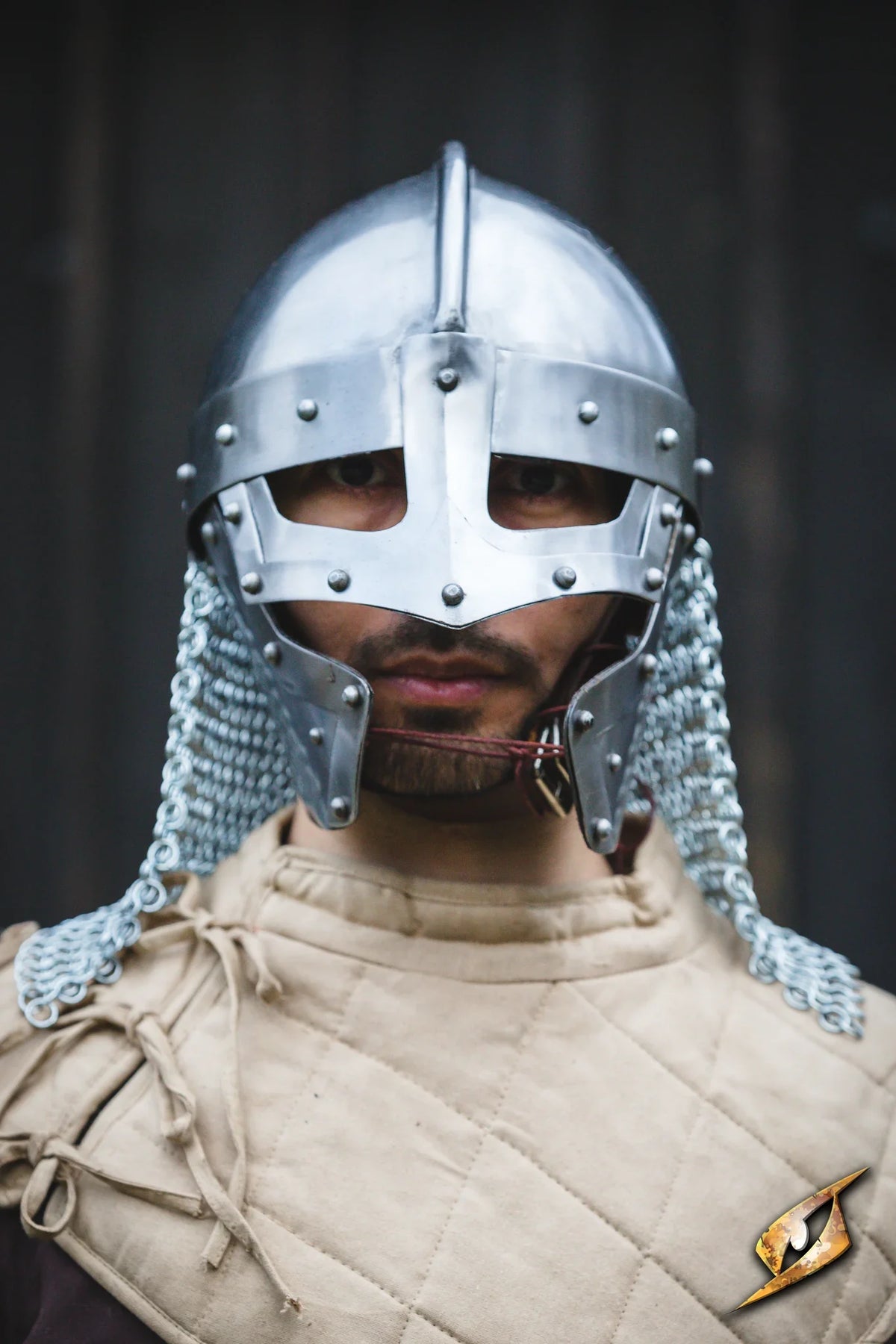
Armour: Protection was functional and often partial. Armour included simple helmets, sometimes reinforced with bands of iron. Mail was only affordable for the highest-status individuals. Quilted or padded layers were essential for protection and warmth beneath any metal components.
-
Weapons: The spear was the most common weapon for military use. Broad-bladed, functional swords were reserved for the wealthy. Shields were typically round, made of wood, and reinforced with an iron boss at the centre.
-
Construction: Buildings and tools used local, readily available materials. Tools and methods were simple, focusing on durability and utility.
High Middle Ages, 11th to 12th Century
This period saw increased wealth, growth, and clearer social displays.
-
Clothing: Better dye processes became more widespread, introducing brighter colours. Layering was key, with underlayers and long outer tunics. Nobles began to display their status through more decorative elements like embroidery and elaborate trims. Sleeves became more refined.
-
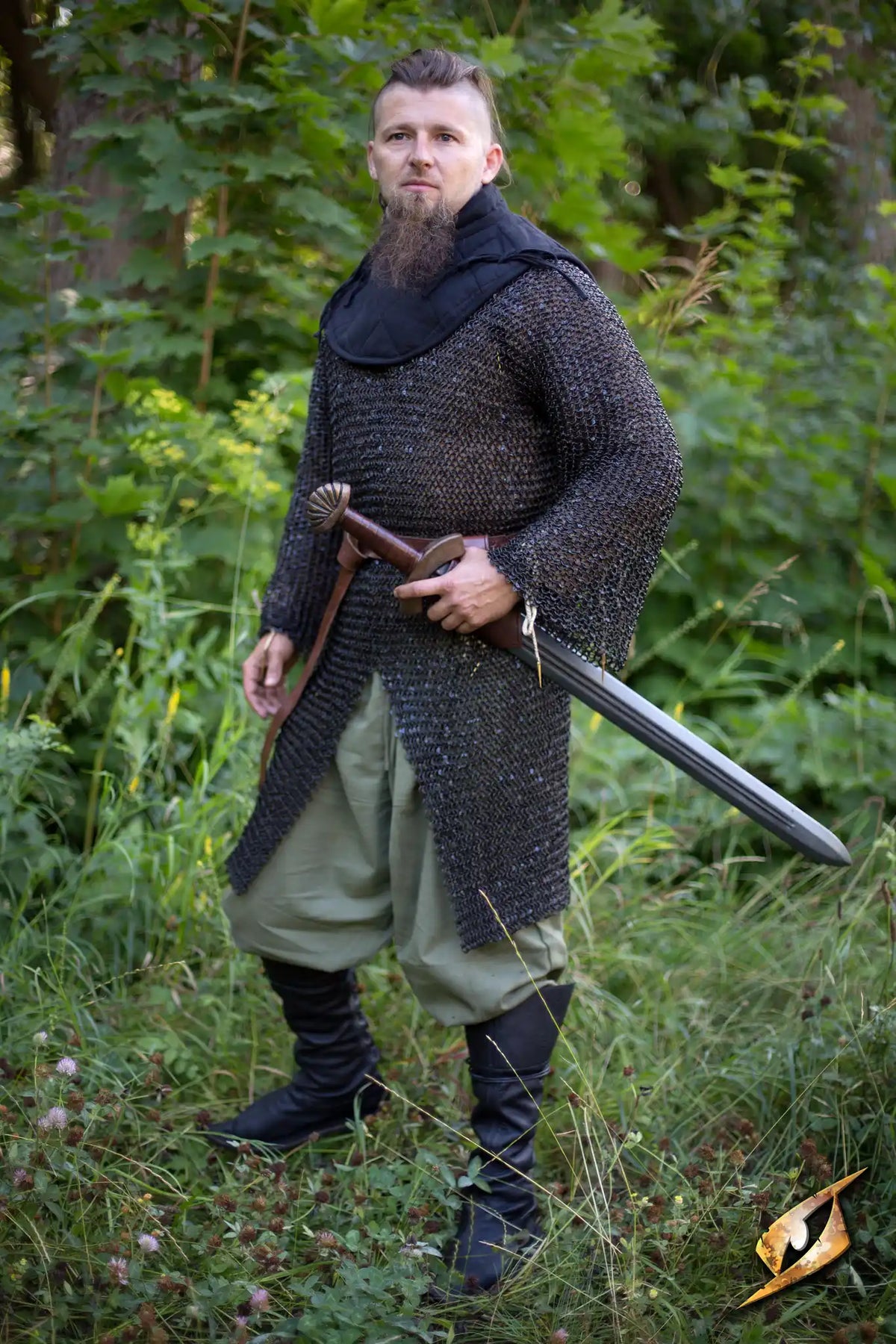
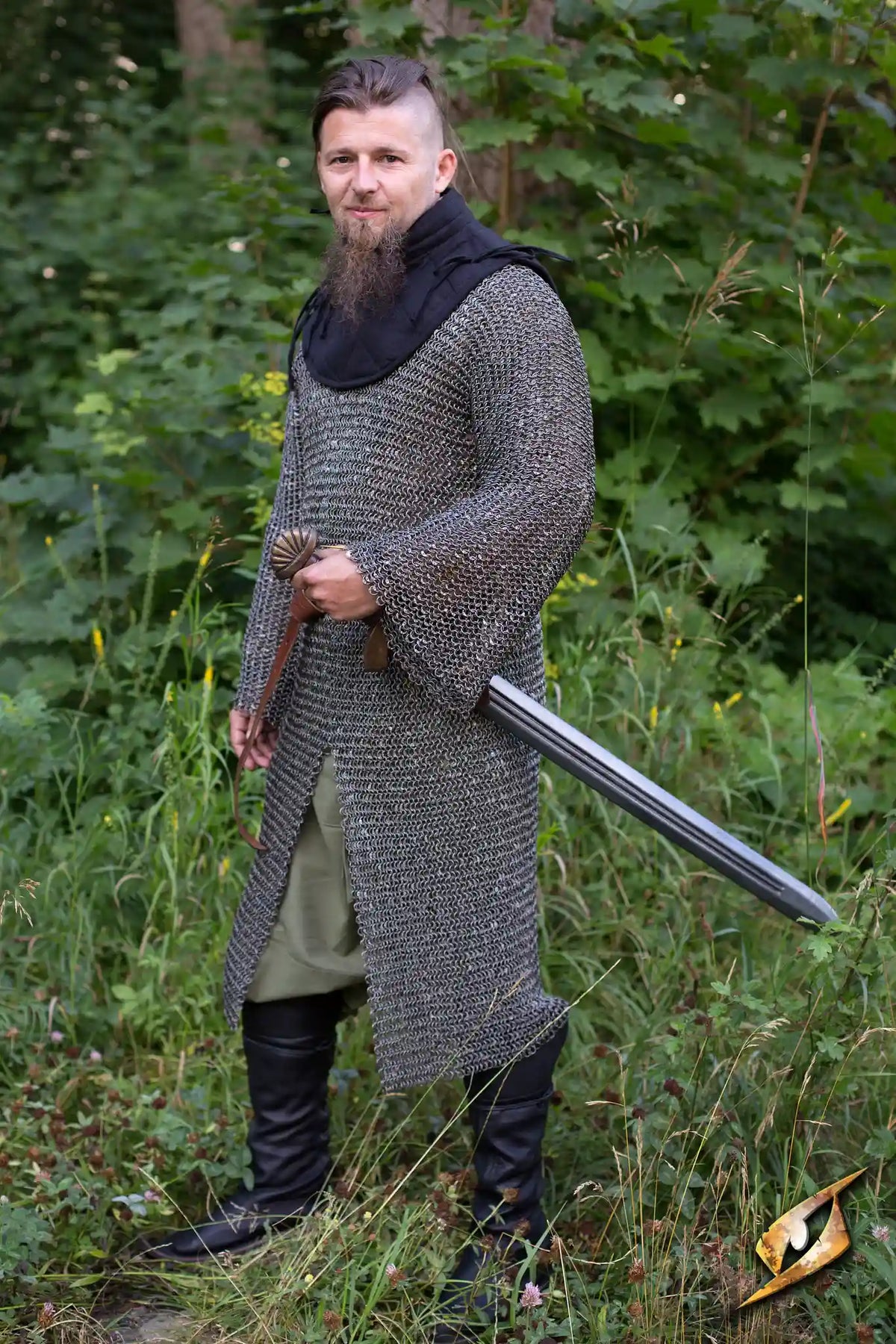
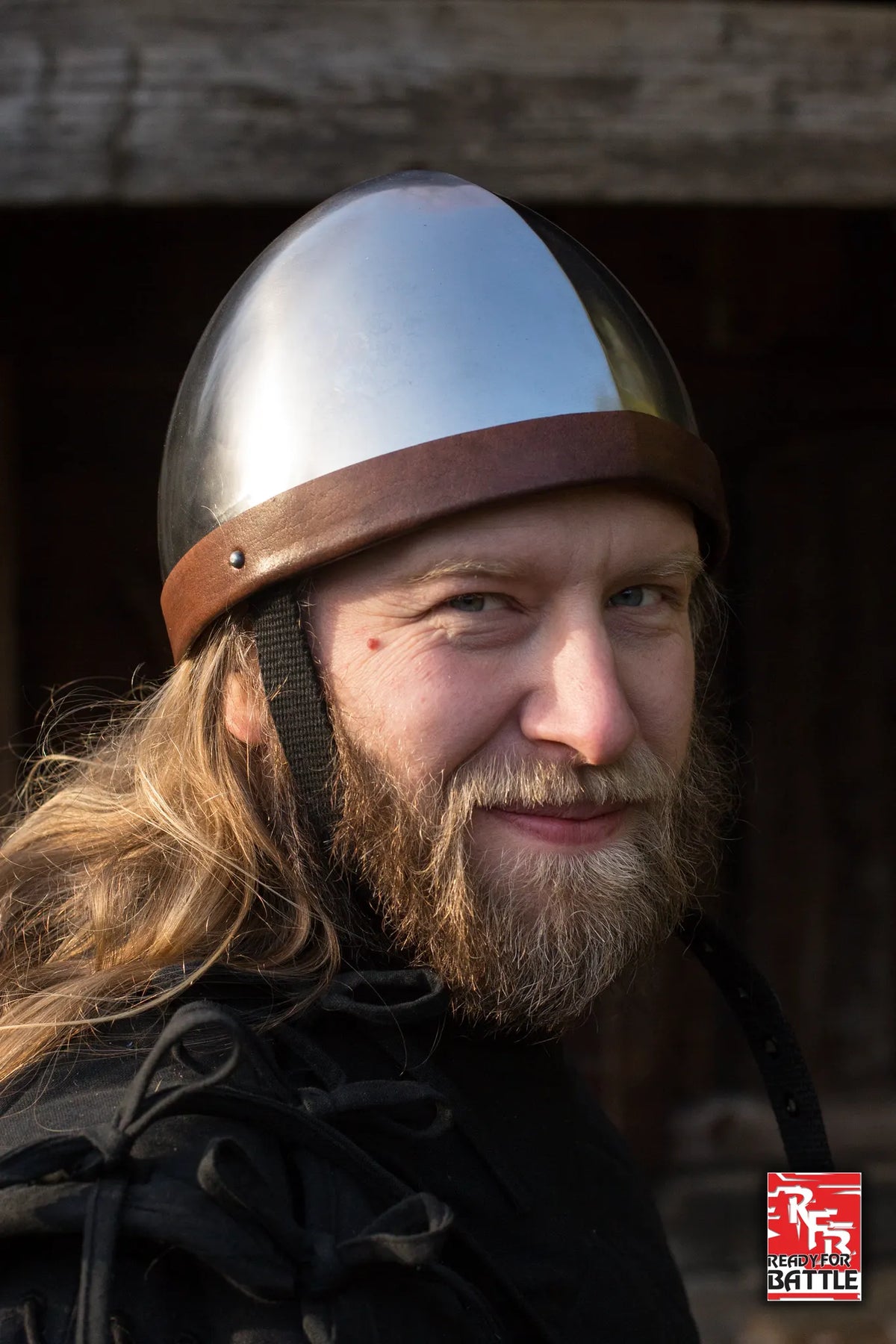
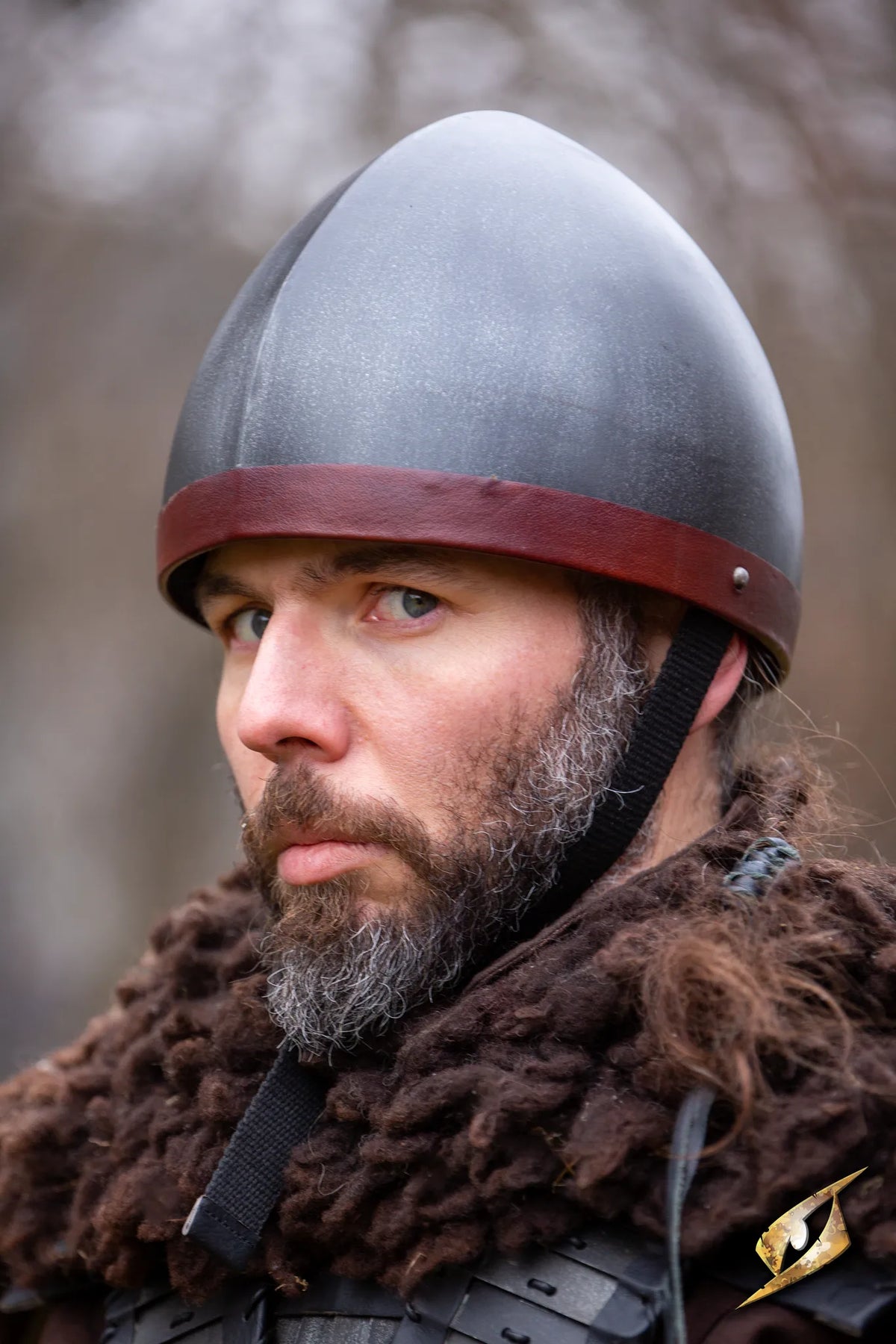
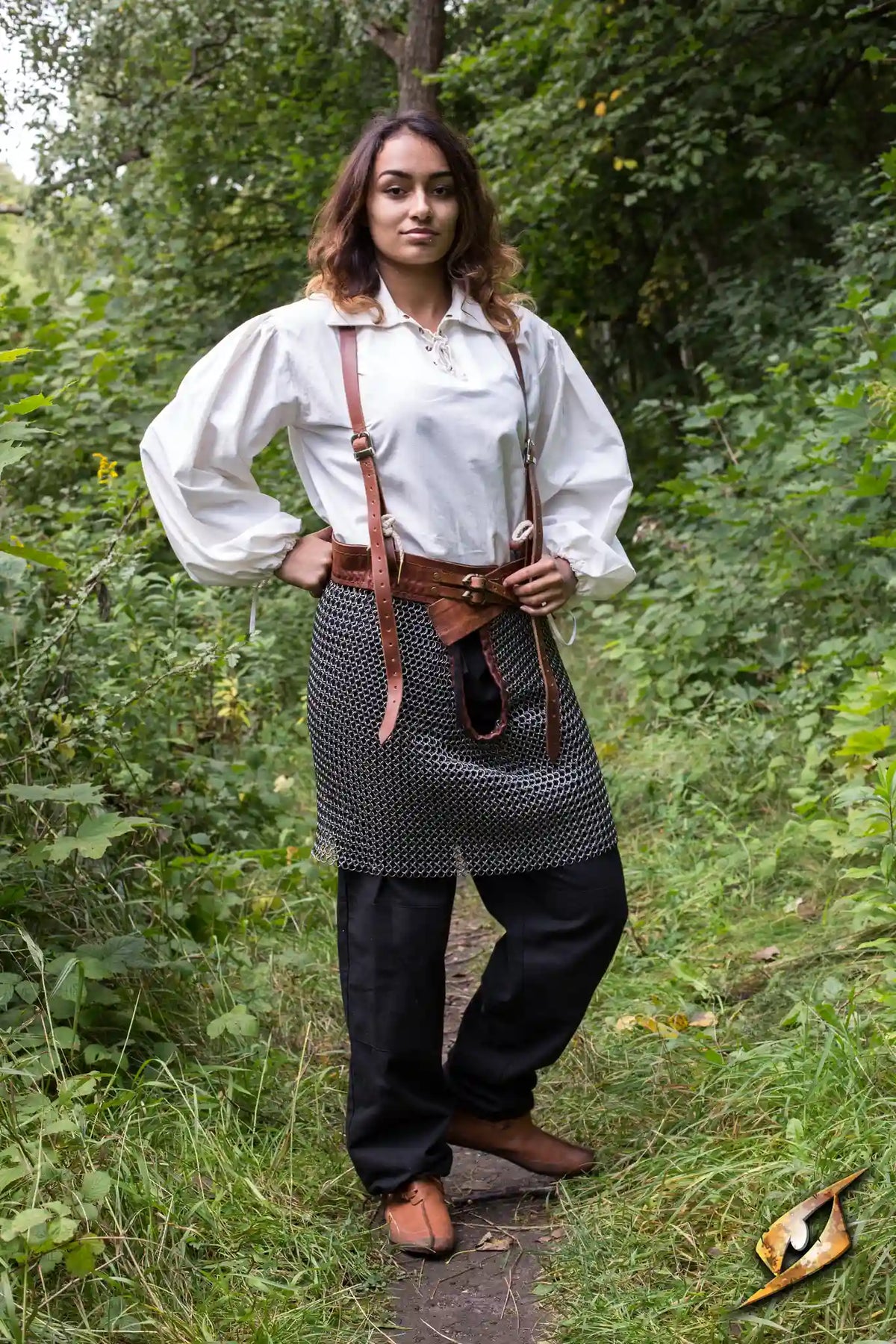
Armour: This is the age of dominant mail. Full mail hauberks, extending to the knees and covering the arms, became more common, often paired with a mail coif covering the head and neck. Helmets became more conical, sometimes with a nose-guard for facial coverage. Surcoats were worn over the armour.
-
Weapons: Swords became better-balanced and had more refined hilts. Shields changed shape, transitioning from the round form to the recognisable kite shape. Spears remained crucial for massed military formations.
-
Construction: Craft specialisation grew with the development of guilds. Wider trade increased access to a broader range of construction and decorative materials.
Late Middle Ages, 13th to 15th Century
The Late Middle Ages is marked by a rapid advancement in technical skill, leading to complex structures, sophisticated fashion, and advanced armour.
-
Clothing: Tailoring became highly skilled and fitted. Garments often featured buttons and tighter, structured silhouettes. Dyes created vivid, powerful colours. Shaping became complex, seen in pointed hoods, chaperons, and structured gowns.
-
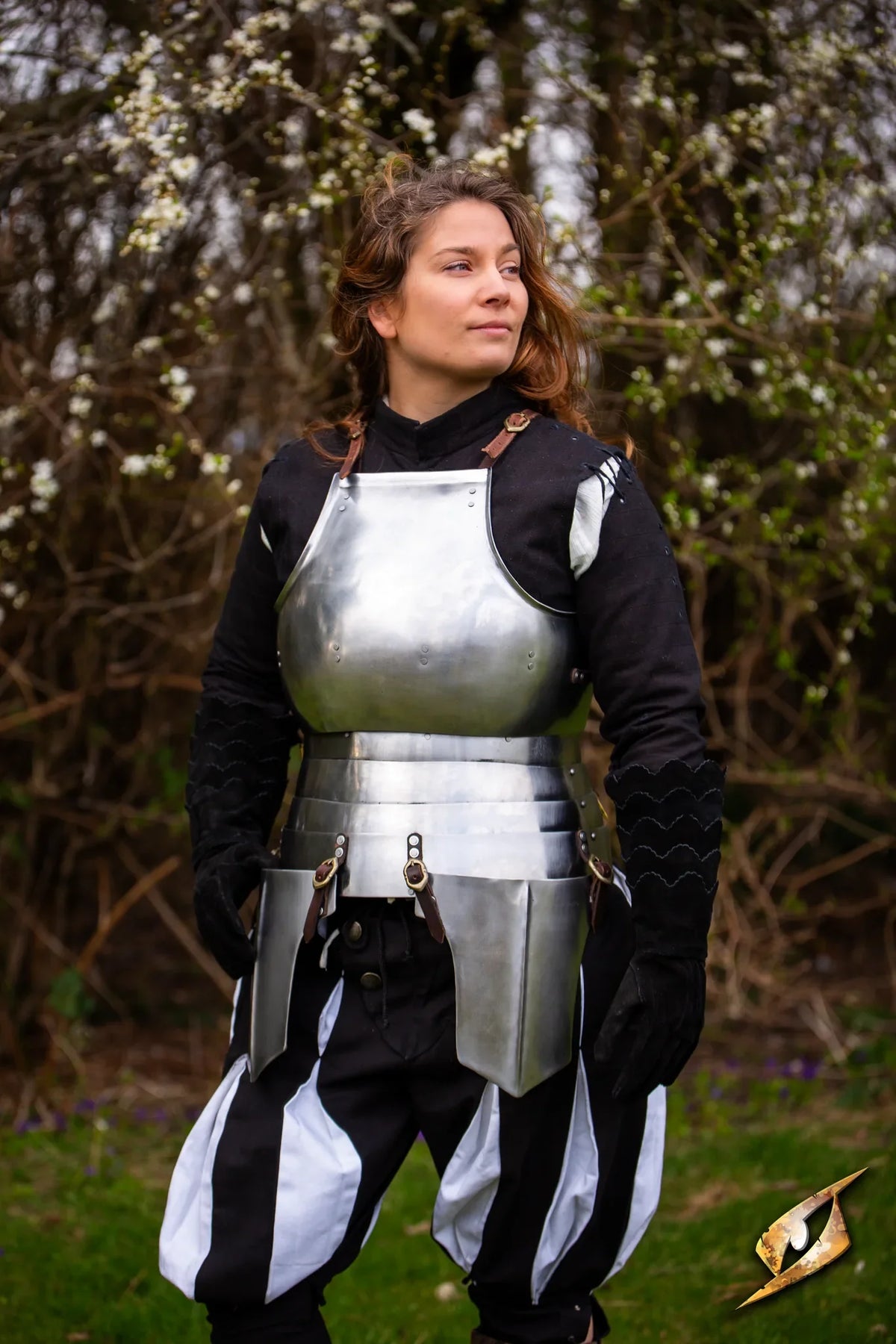
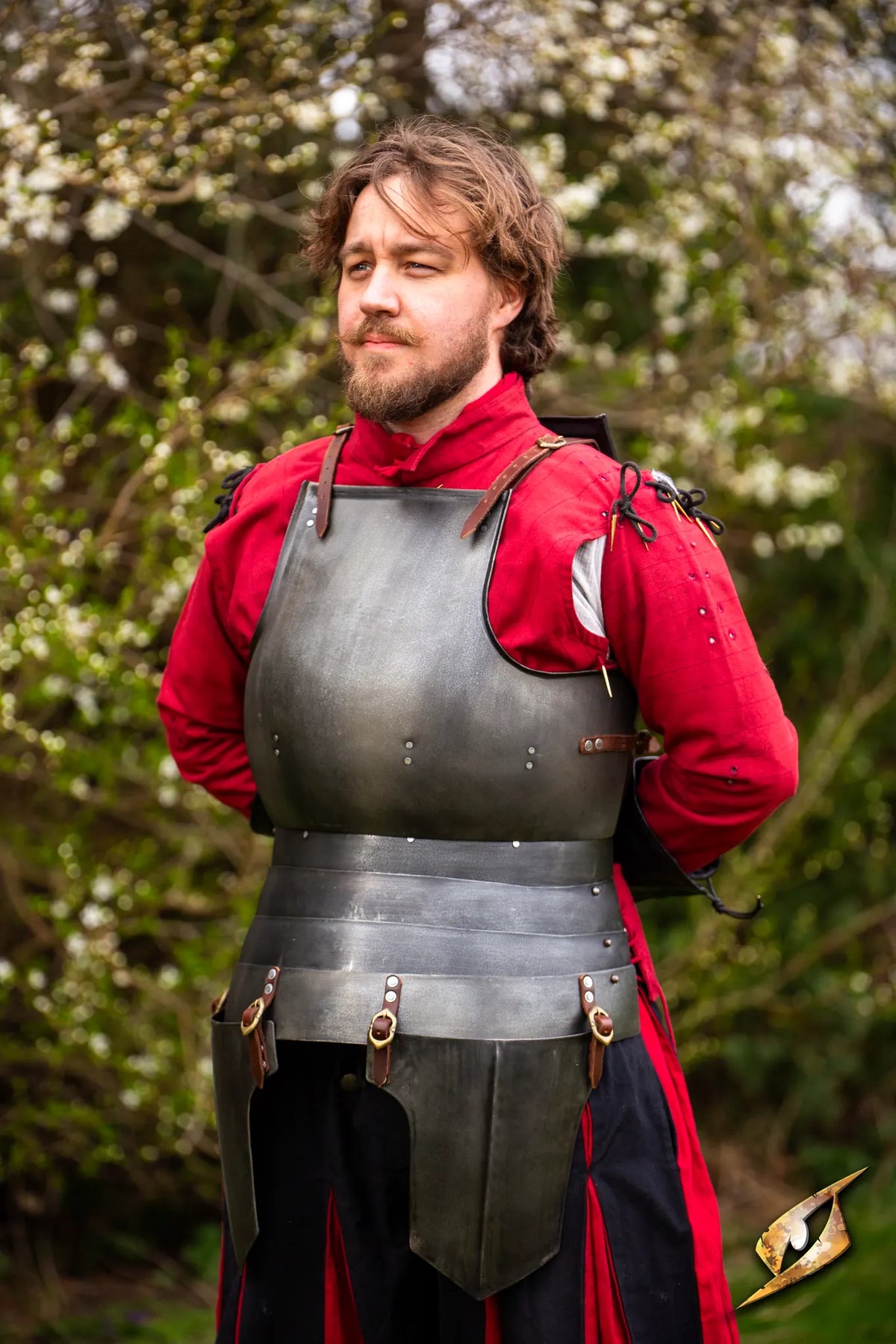
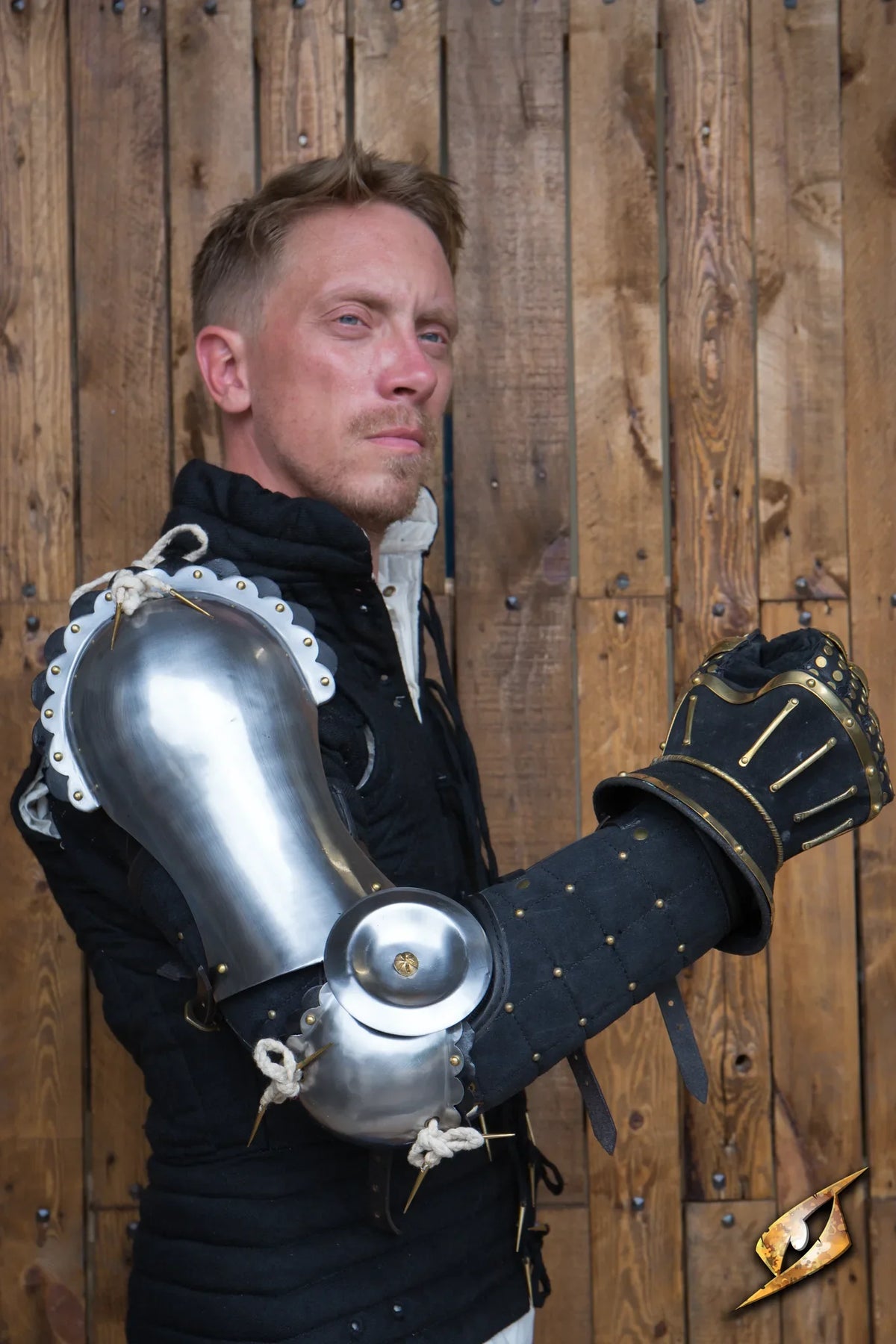
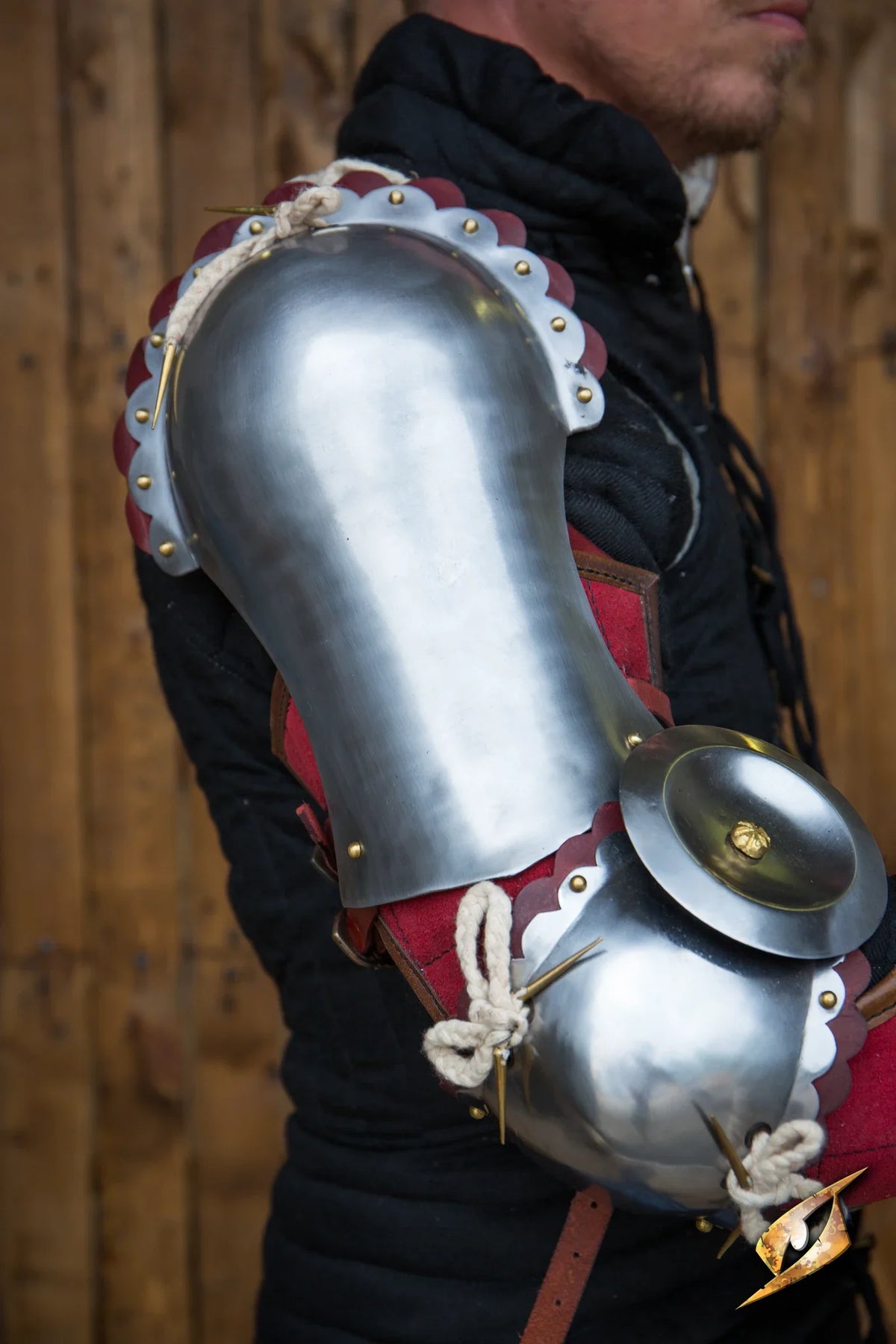
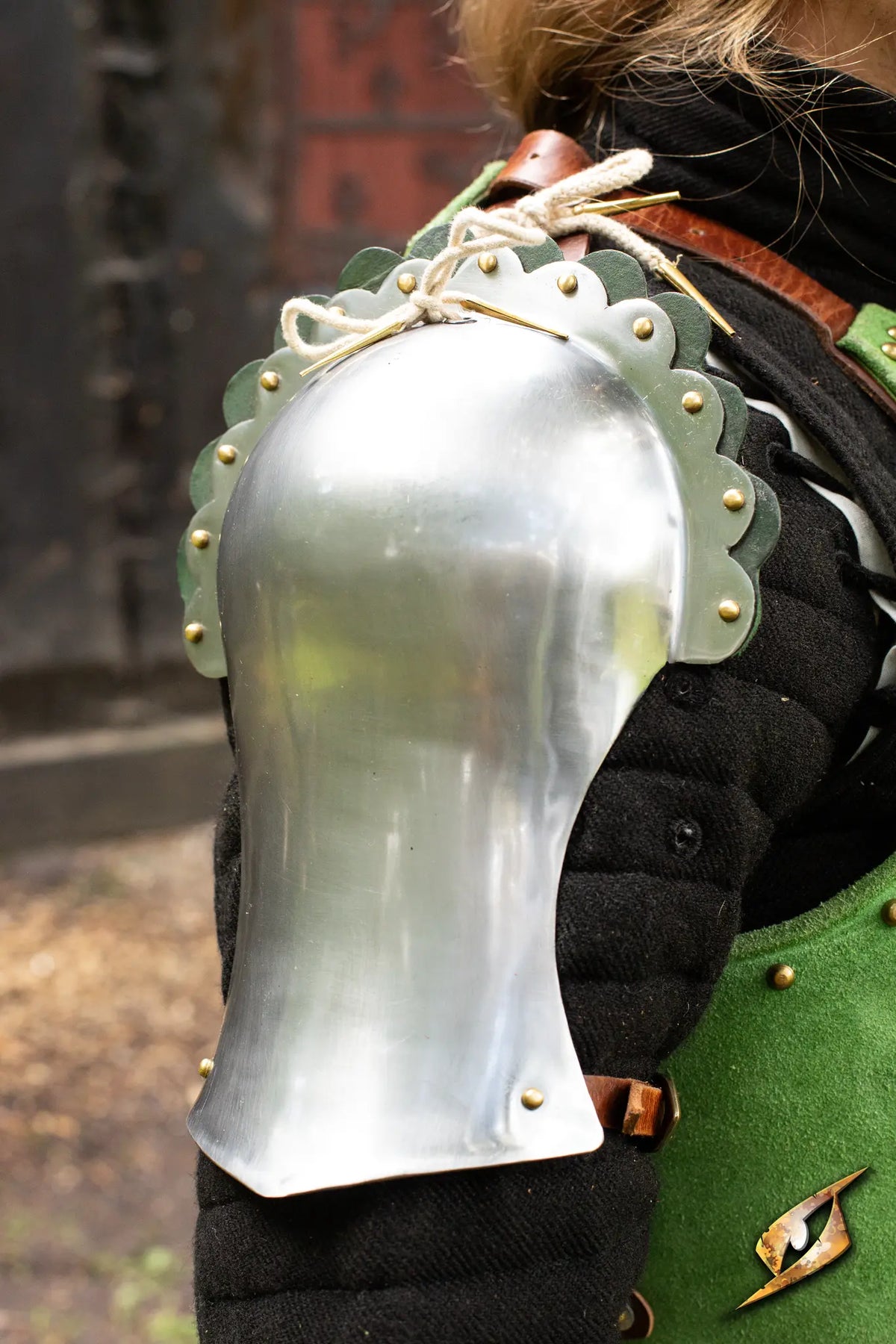
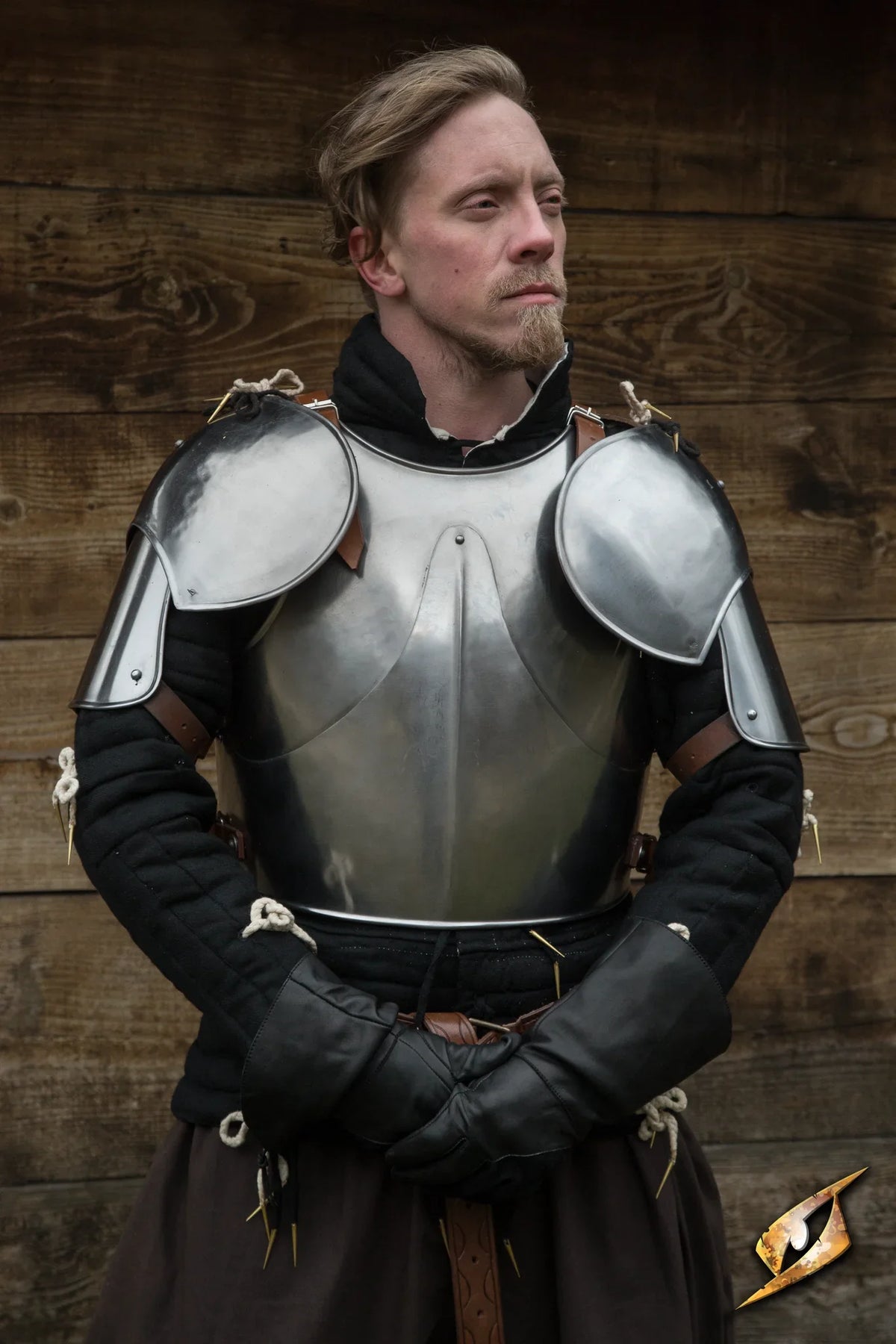
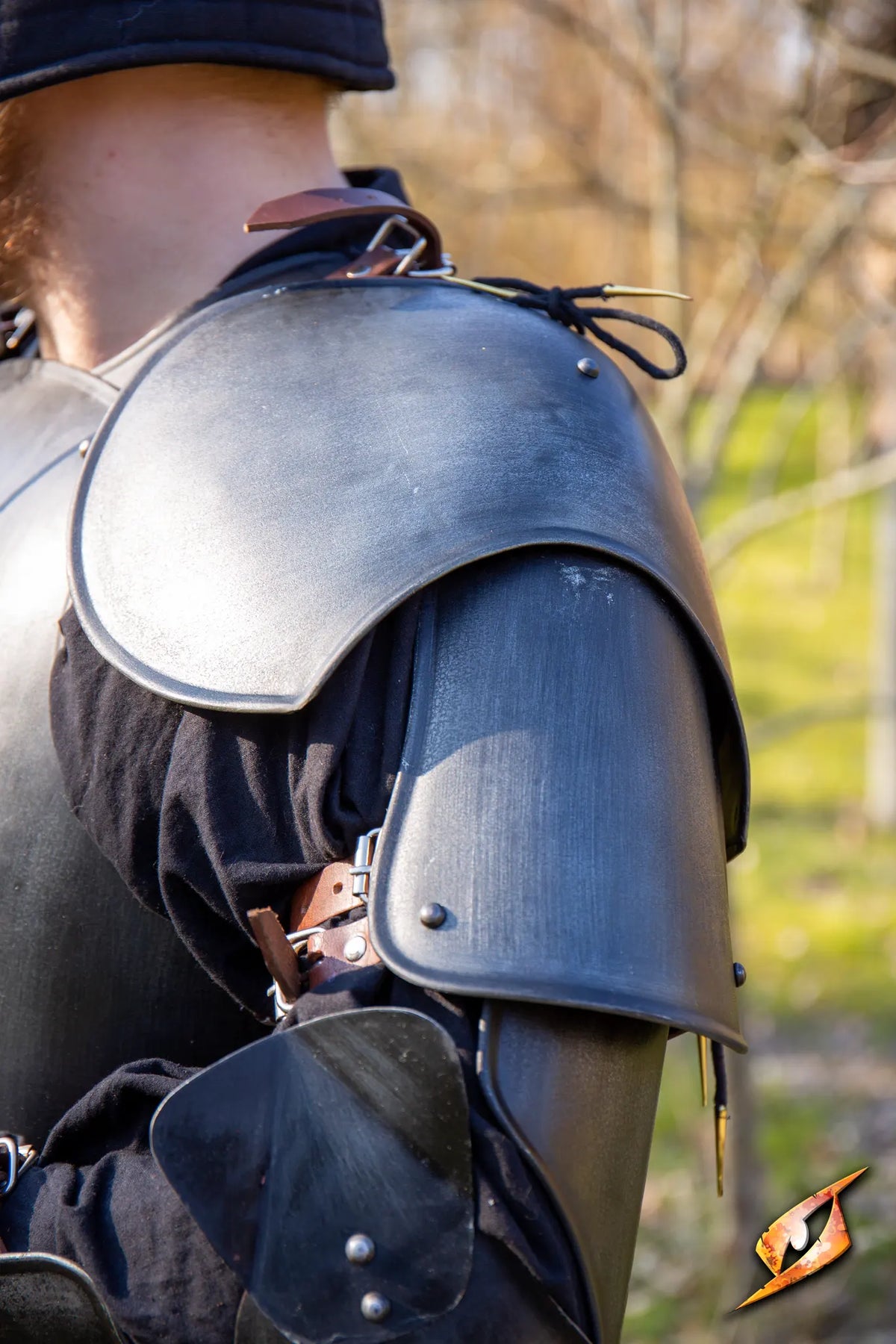
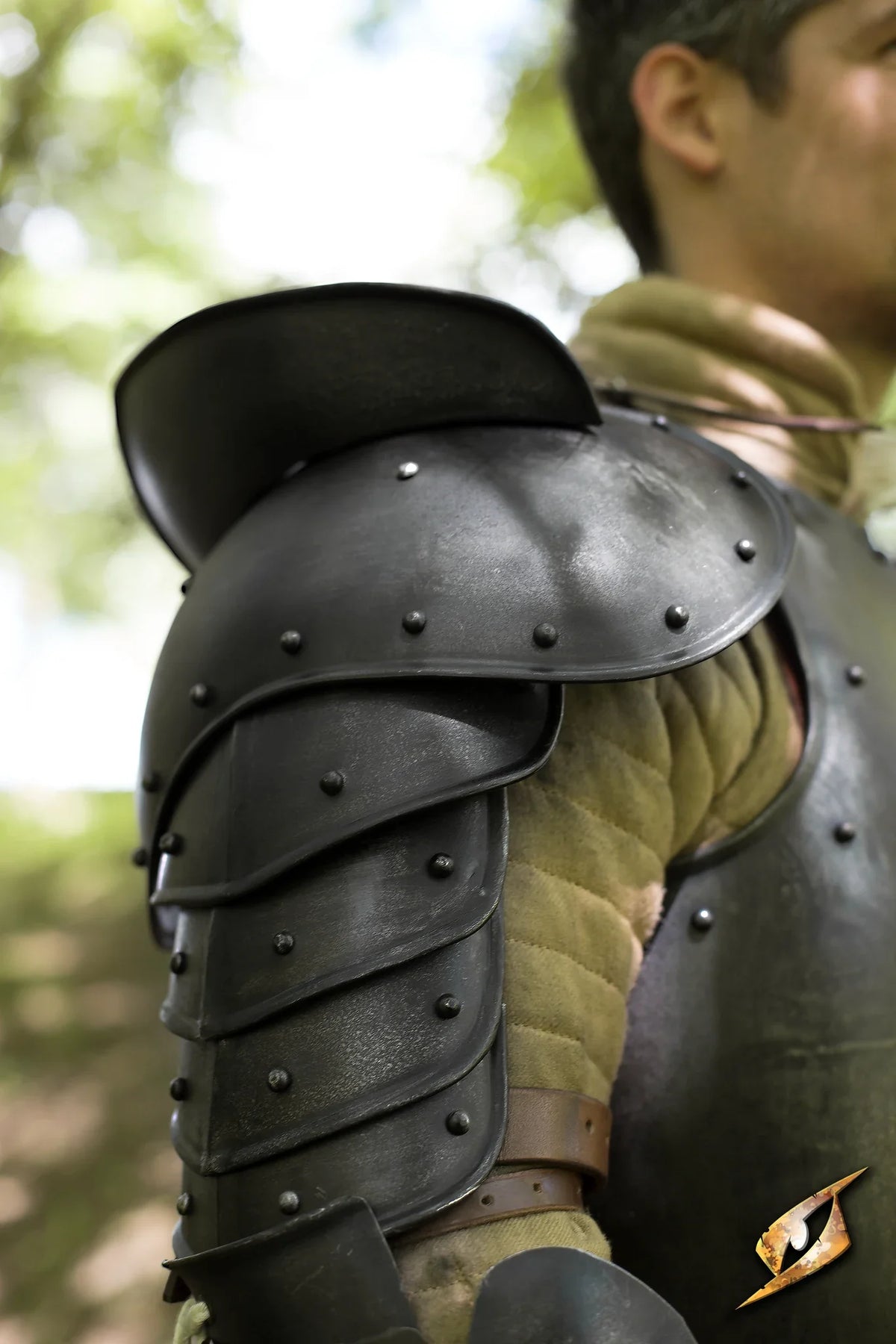
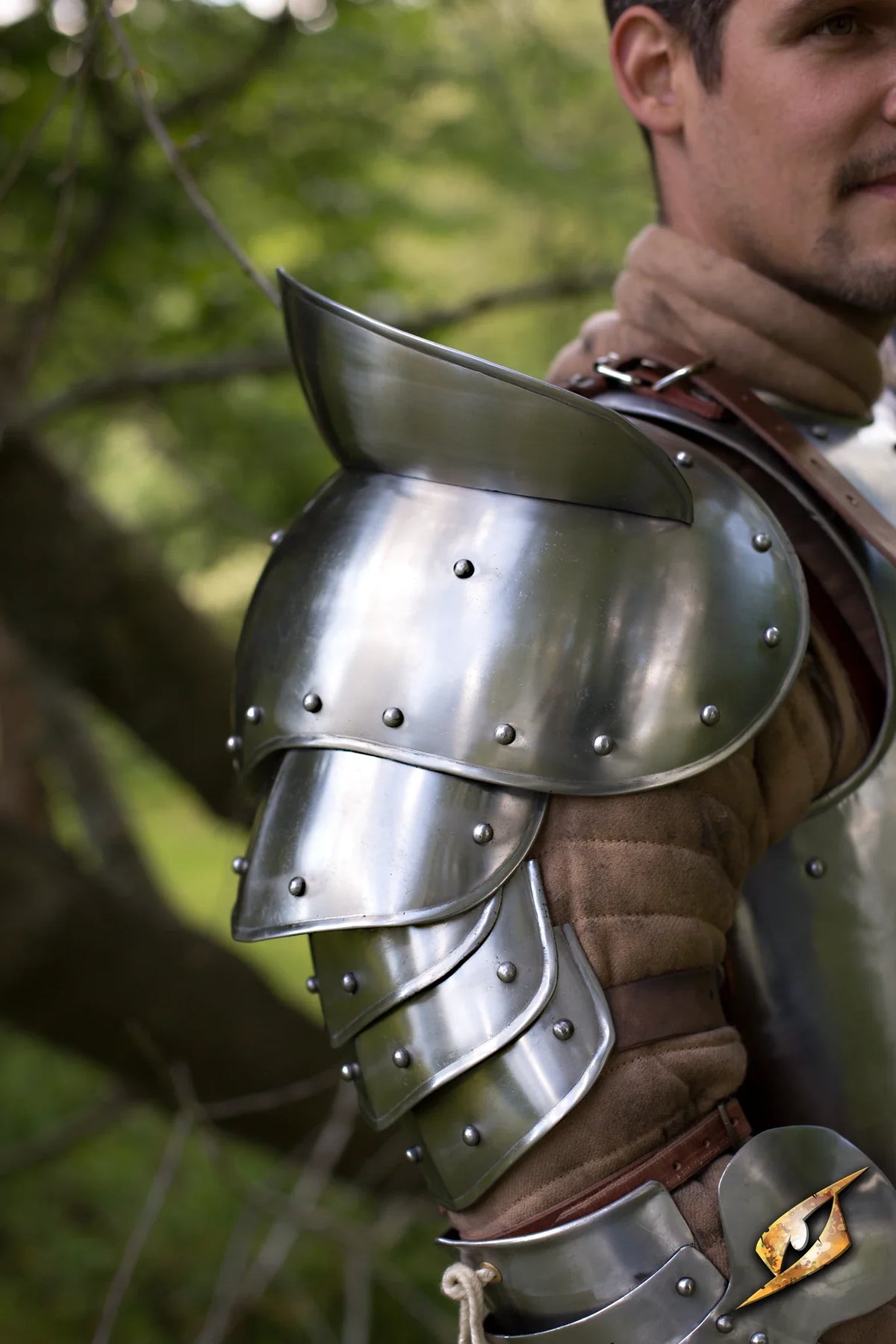
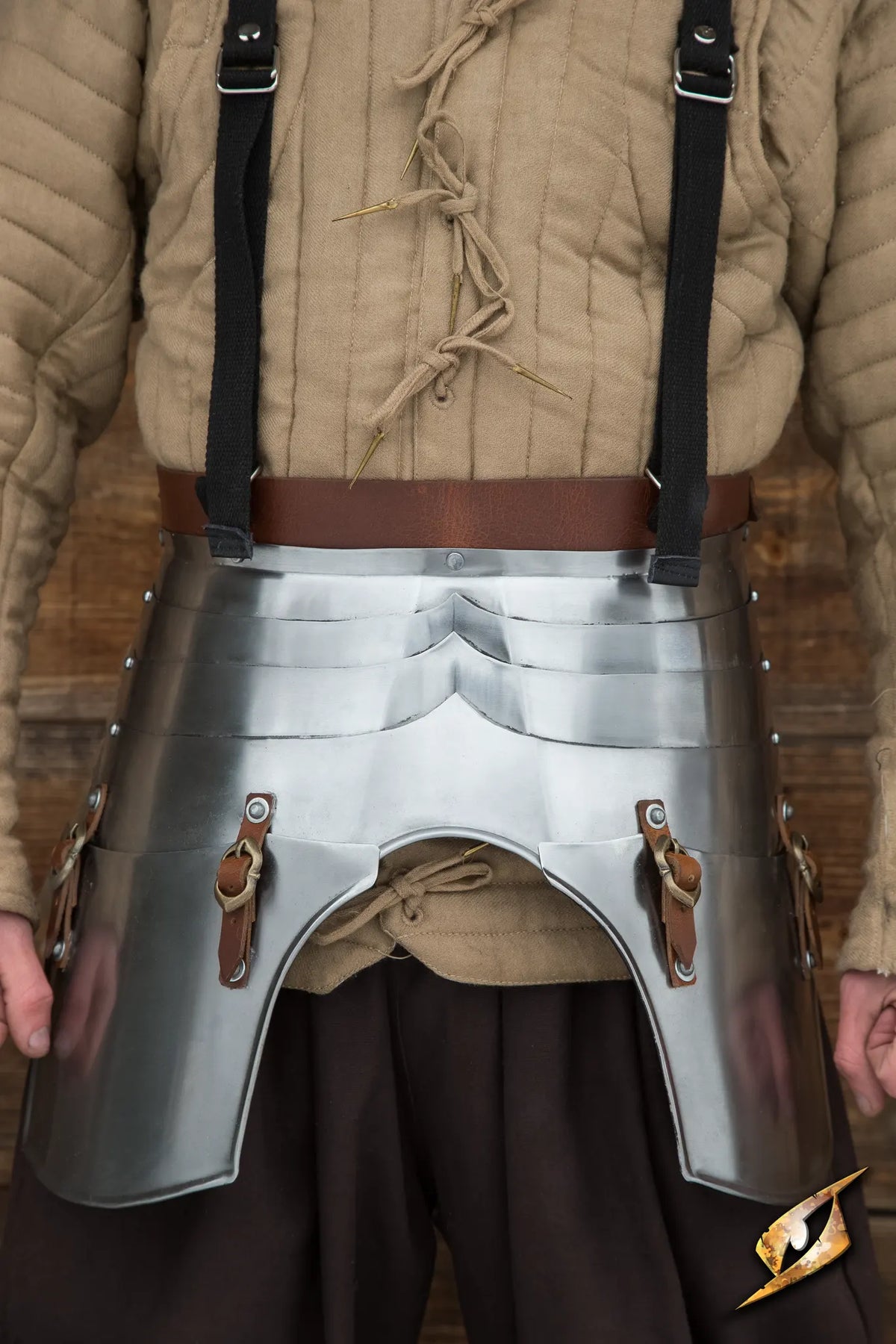
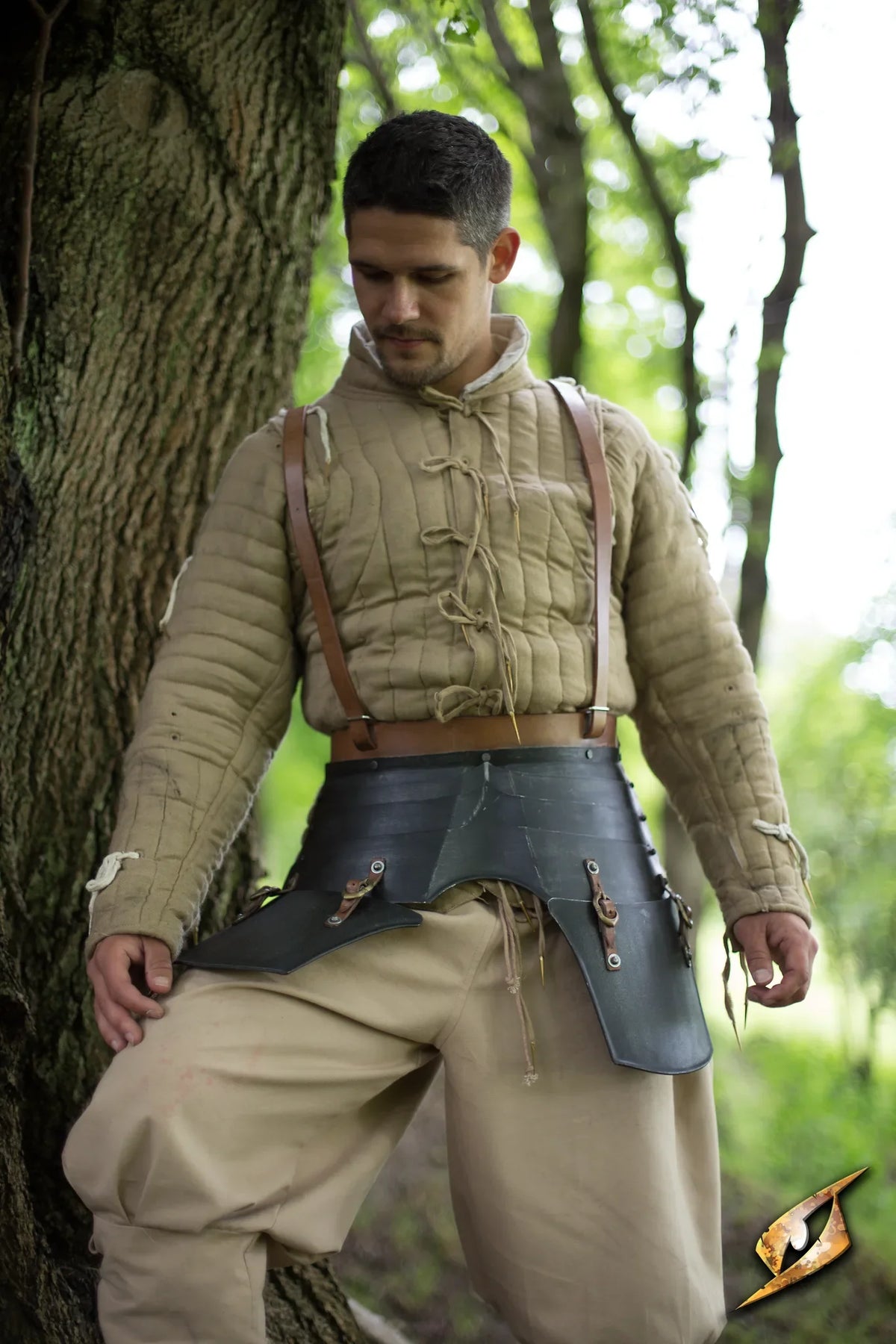
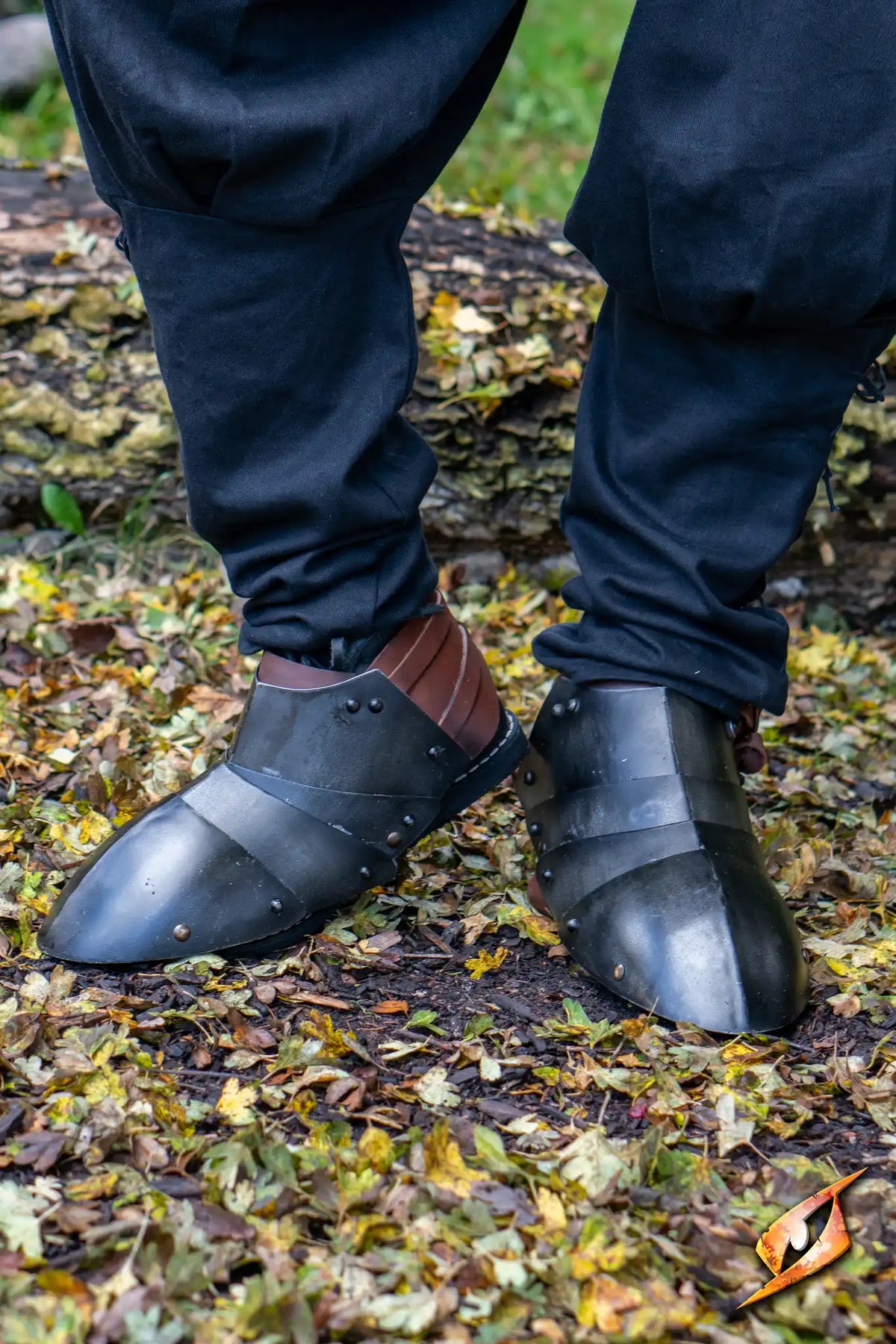
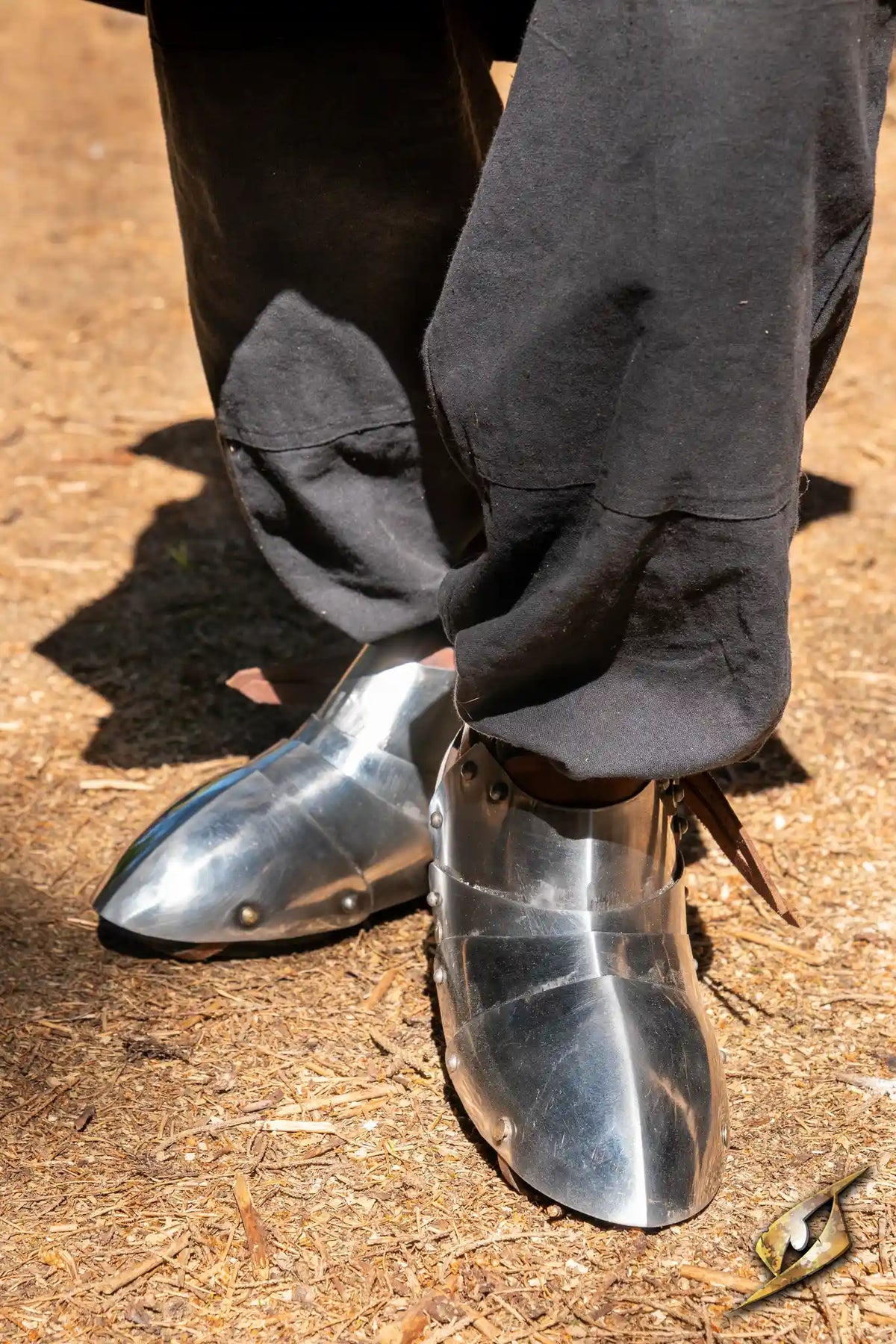
Armour: This era saw the transition from mail dominance to the rise of plate armour. Helmets became complex, with many variations such as the visored bascinet and the later sallet. Armour joints were engineered to be highly mobile and flexible.
-
Weapons: Swords grew longer, such as the longsword. Polearms, including the halberd and pollaxe, became common across Europe. Weapons adapted to pierce, crush, or counteract the mobility of plate armour.
-
Construction: Metalwork reached its highest medieval levels. Tailors were highly skilled craftsmen, capable of creating complex, layered garments with structured shaping.
Evolution of Medieval Clothing
The evolution of clothing across the medieval periods is a story of increasing technical skill and social expression. The shift moves from the simple, straight-cut garments of the early era to the more layered outfits of the High Middle Ages, and finally to the tightly fitted, tailored silhouettes of the Late Middle Ages.
Social class heavily influenced fabric choices and decoration. While most people wore wool and linen, wealthier nobles gained access to occasional cotton and, later, imported silk. The ability to afford vibrant dyes was a key visual status symbol. Understanding these shifts is vital for creating historically grounded modern costumes for LARP or medieval fairs.
Armour and Weapons Across the Middle Ages
The development of armour and weapon design is an interlocked story. As protection advanced, so did the tools designed to defeat it.
Mail was the dominant form of personal protection for many centuries, providing flexible defense against slashing attacks. As the military landscape changed, protection transitioned into the segmented defenses of transitional armour, which eventually led to the fully articulated plates of the Late Middle Ages.
Helmets evolved alongside the armour, moving from simple bands of iron to advanced forms like the great helm and the highly protective, visored types. Weapon shapes shifted in response; swords lengthened and thickened, and crushing weapons became more prominent as a means to defeat plate.
Materials and Craft Traditions
The medieval world was built on traditional crafts. Understanding these material processes is key to appreciating the objects of the era.
-
Textiles: Wool was the most common material due to its ready supply and warmth. Linen was also widely used, especially for undergarments.
-
Dyes: Early dye processes were limited, resulting in duller colours. Later advances in trade and process allowed for brighter, more vivid hues, especially for the nobility.
-
Leather: Leather tanning and manipulation were essential for footwear, belts, and sometimes armour components.
-
Metalwork: Blacksmithing techniques developed significantly, leading from the simple forms of the early era to the highly complex, articulated structures of late-medieval plate armour.
-
Woodwork: Wood was essential for building, as well as for the construction of shields and the shafts of polearms.
These craft traditions heavily influence the creation of modern replicas and costume gear, ensuring authenticity in the materials and methods used today.
Medieval Fashion in Modern Use
The history contained within the Middle Ages makes this period a perfect source of inspiration for modern uses like LARP, cosplay, historical fairs, and reenactment.
The iconic silhouettes of medieval armour and the balanced forms of its weapons remain instantly recognisable. Understanding the differences between the Early, High, and Late periods helps you choose gear that perfectly fits your style or the requirements of your event. Whether you need the simple practicality of early-period gear or the imposing structure of late-period plate, historical accuracy guides your choices.
Explore the Medieval Collection
Now that you have an overview of the Medieval Collection, you can explore the more detailed subcategories below. Each area provides focused, era-aware options designed to meet your specific needs.
-
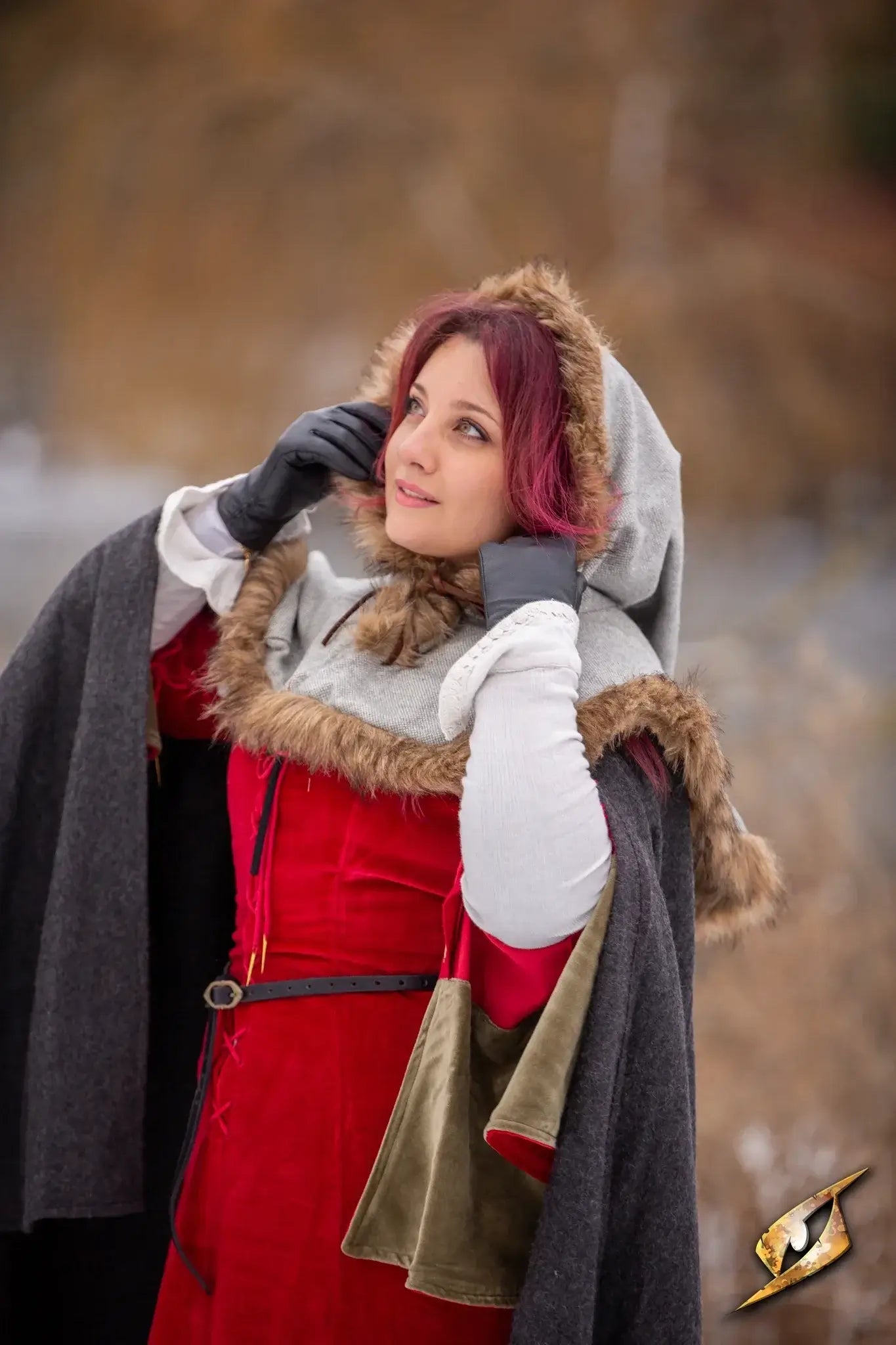
Medieval Clothing: Browse our Selection of Men's and Women's Medieval Clothing. We have tunics, cloaks, trousers, gowns, and layered outfits that span early to late-period styles.
-
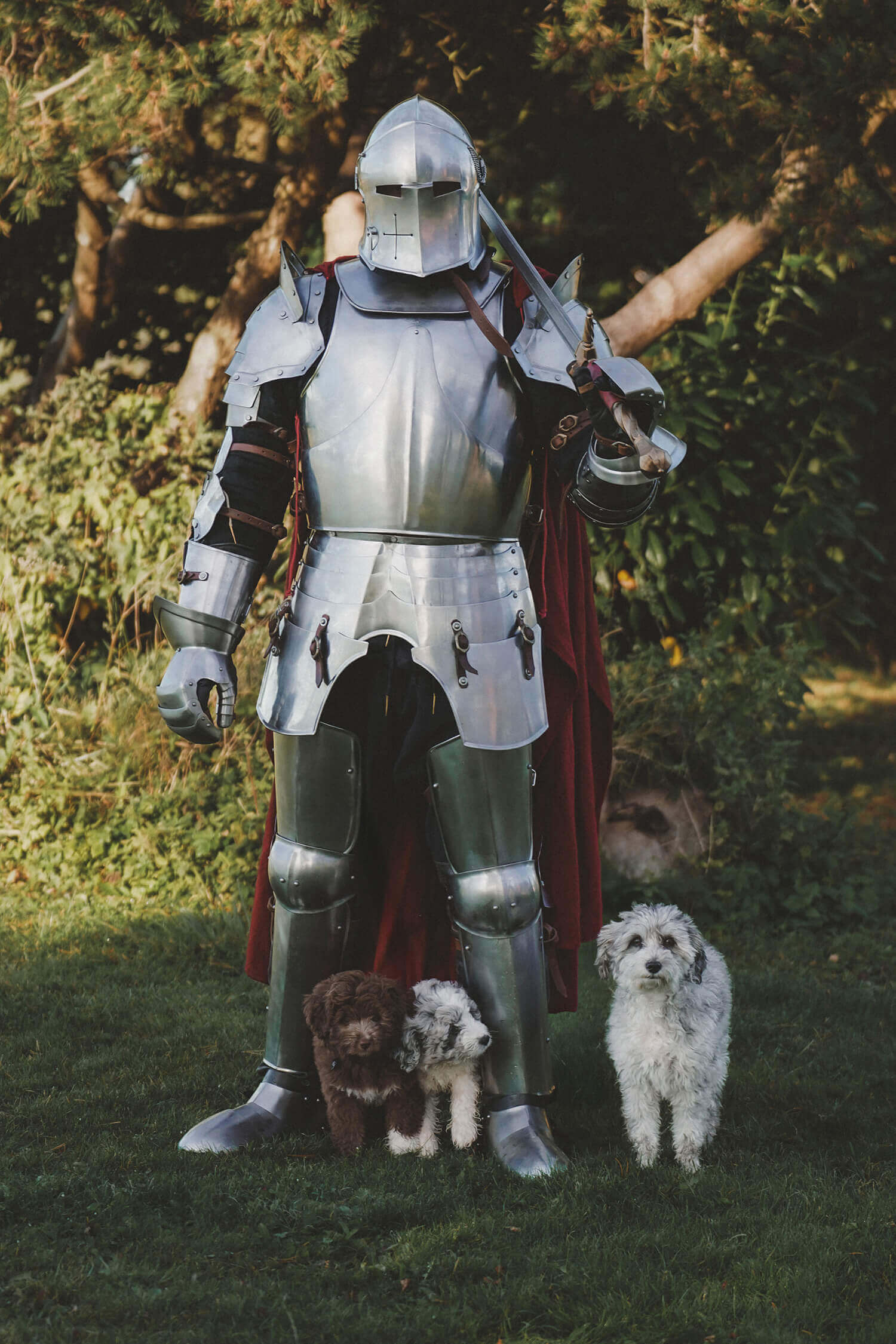
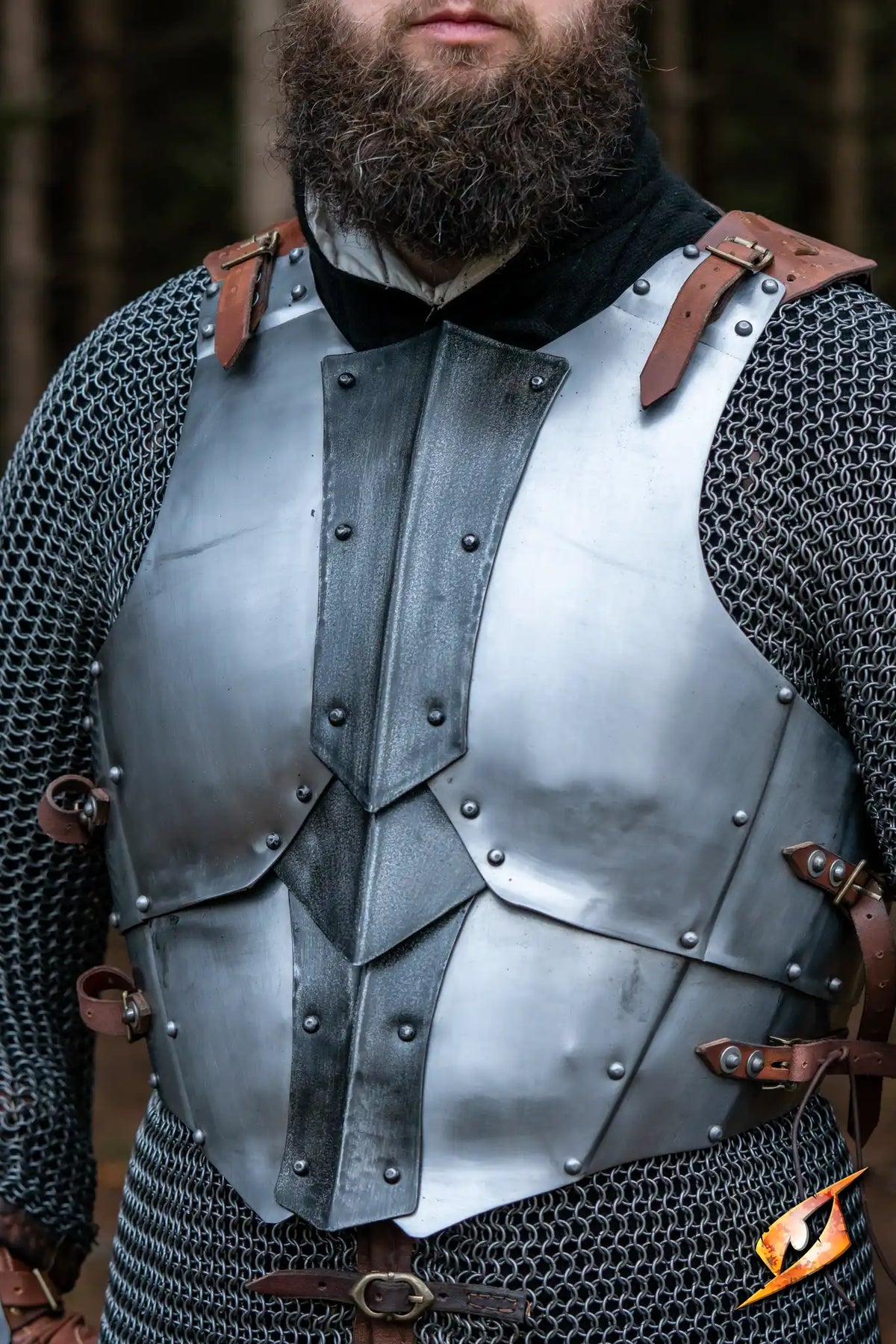
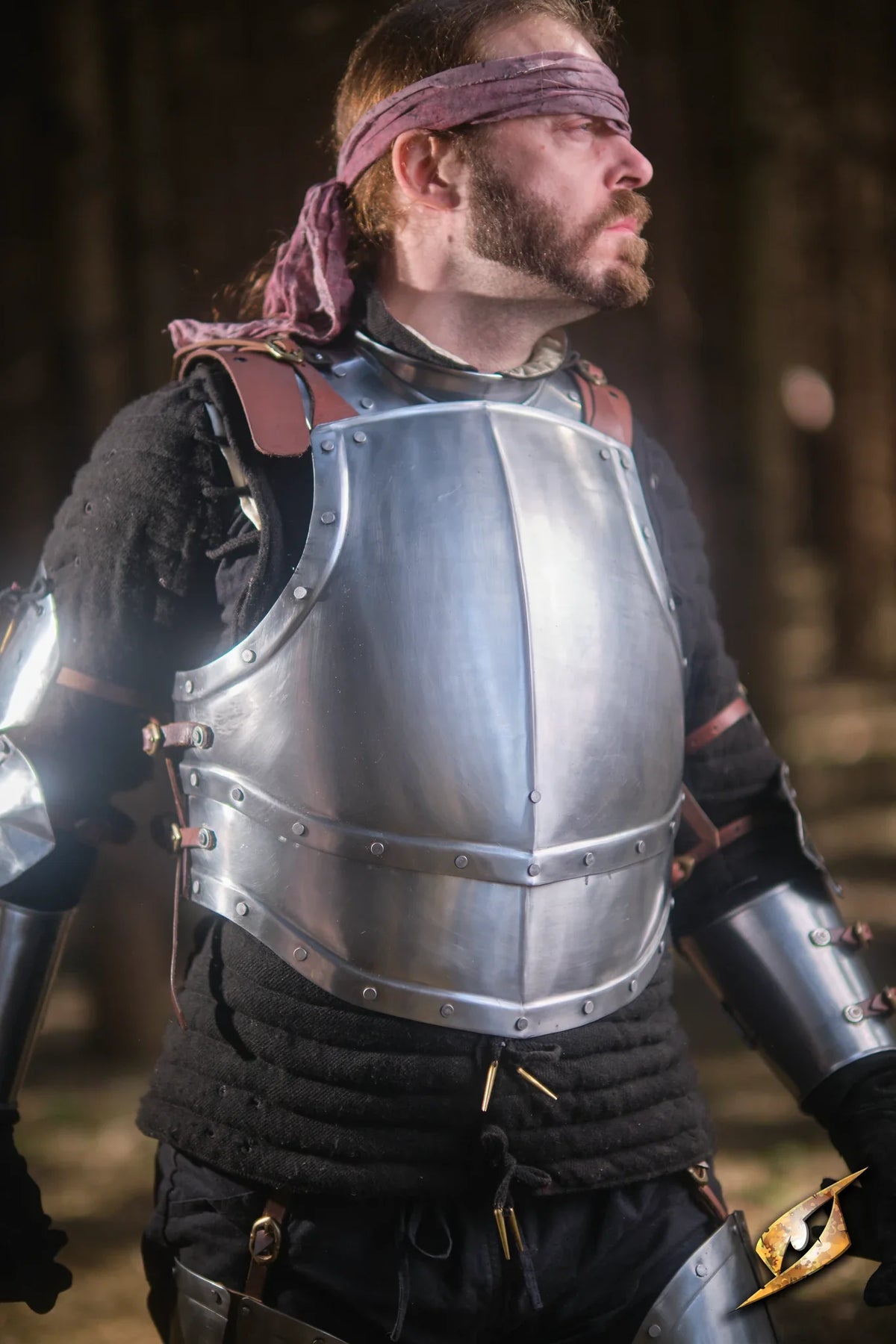
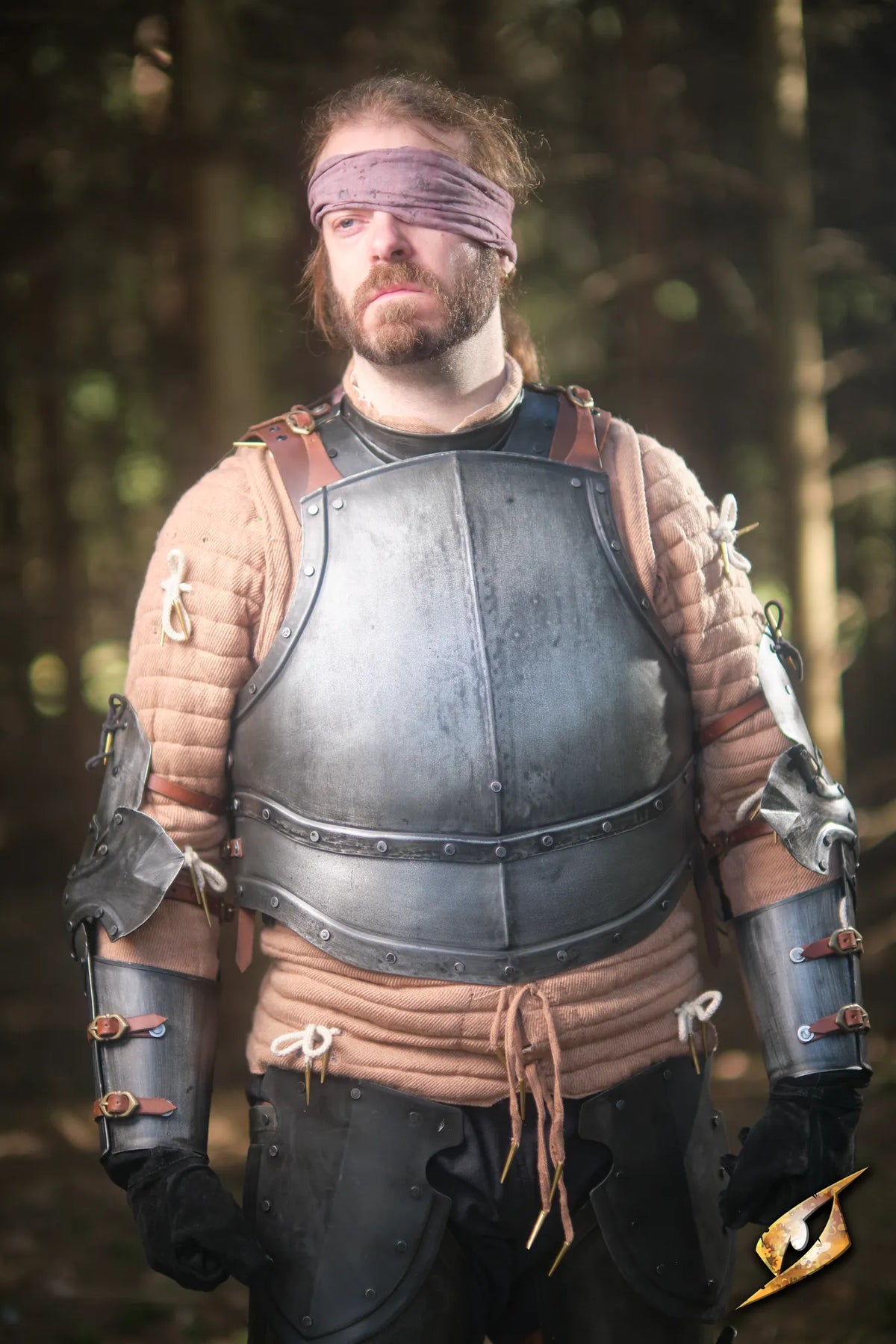
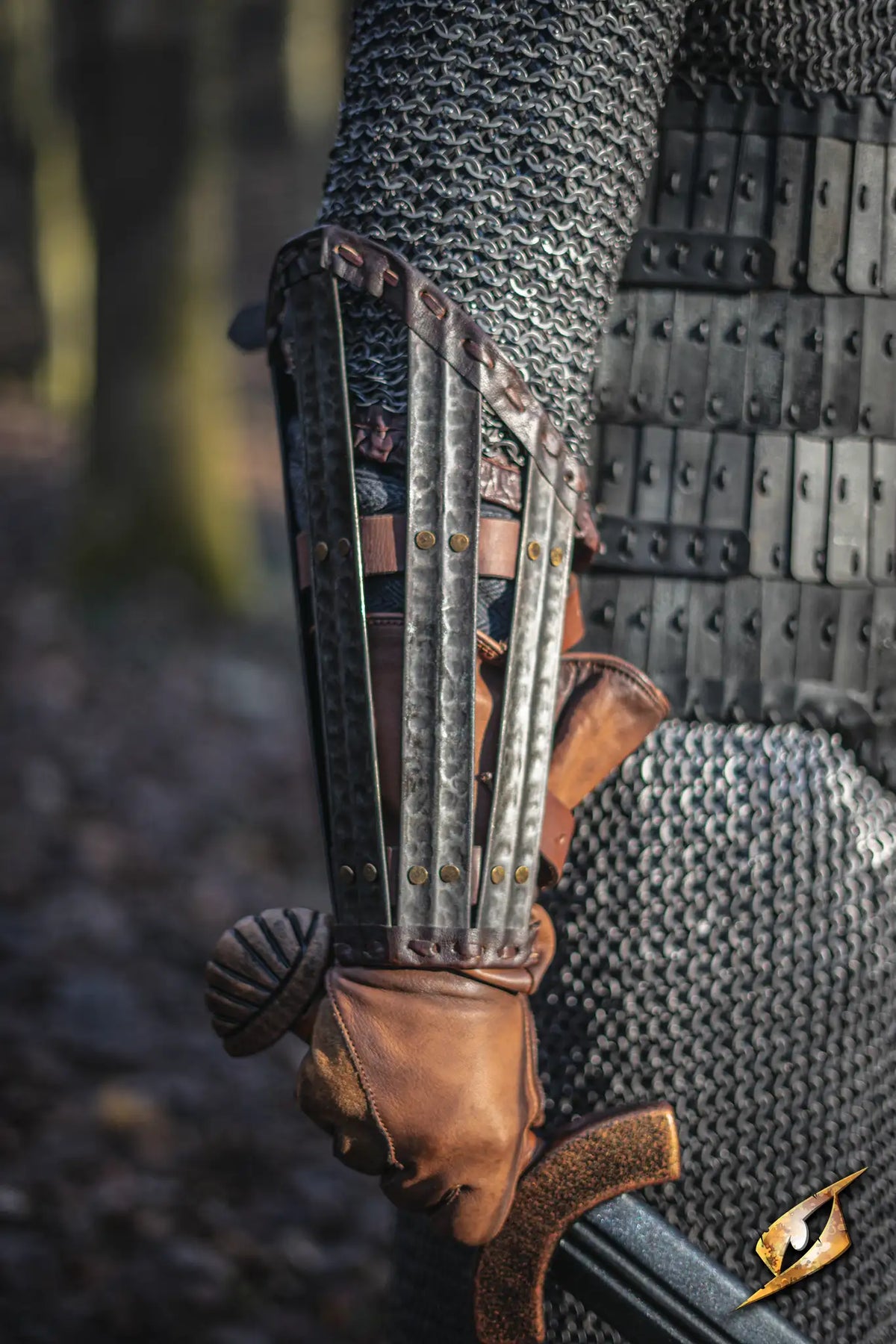
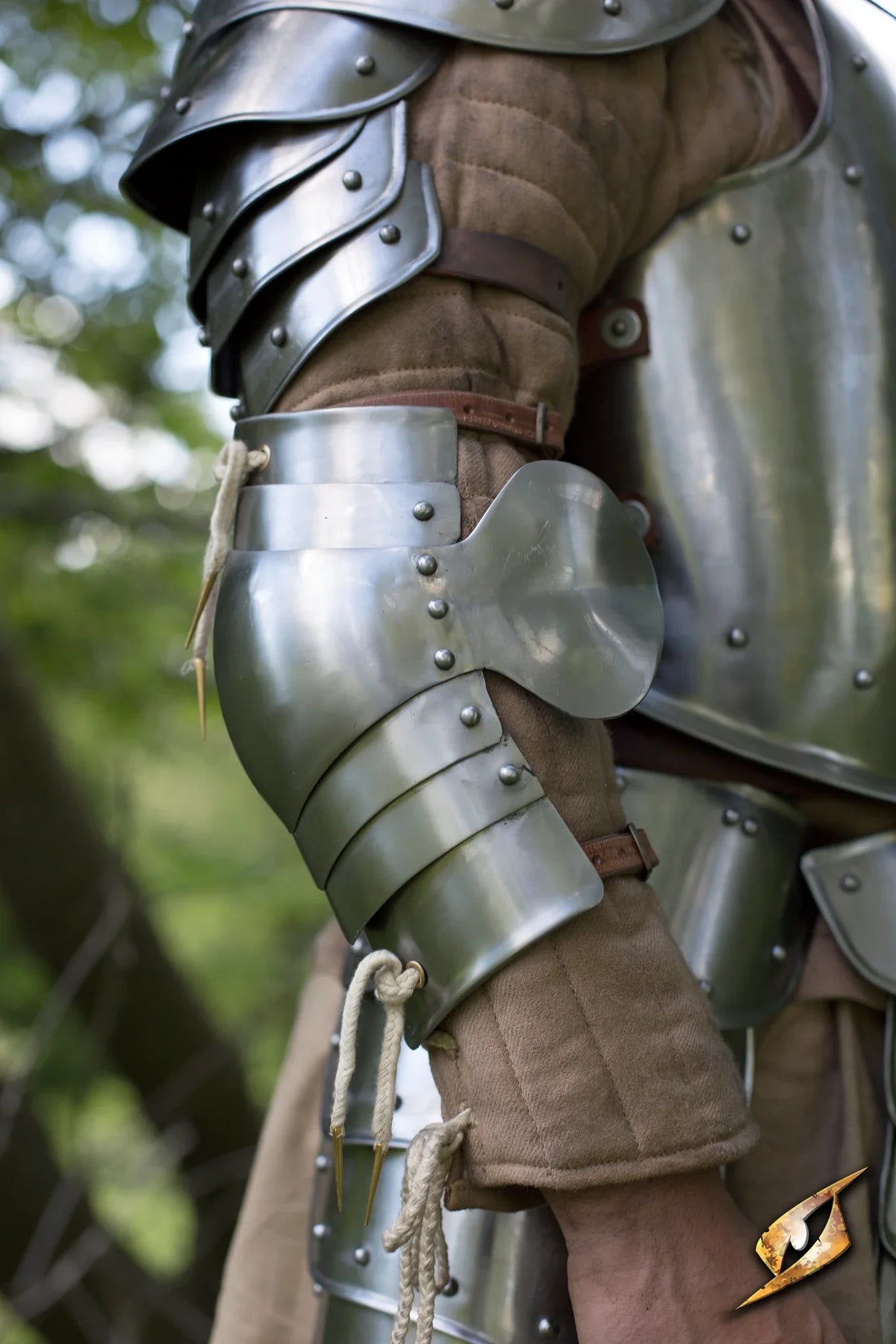
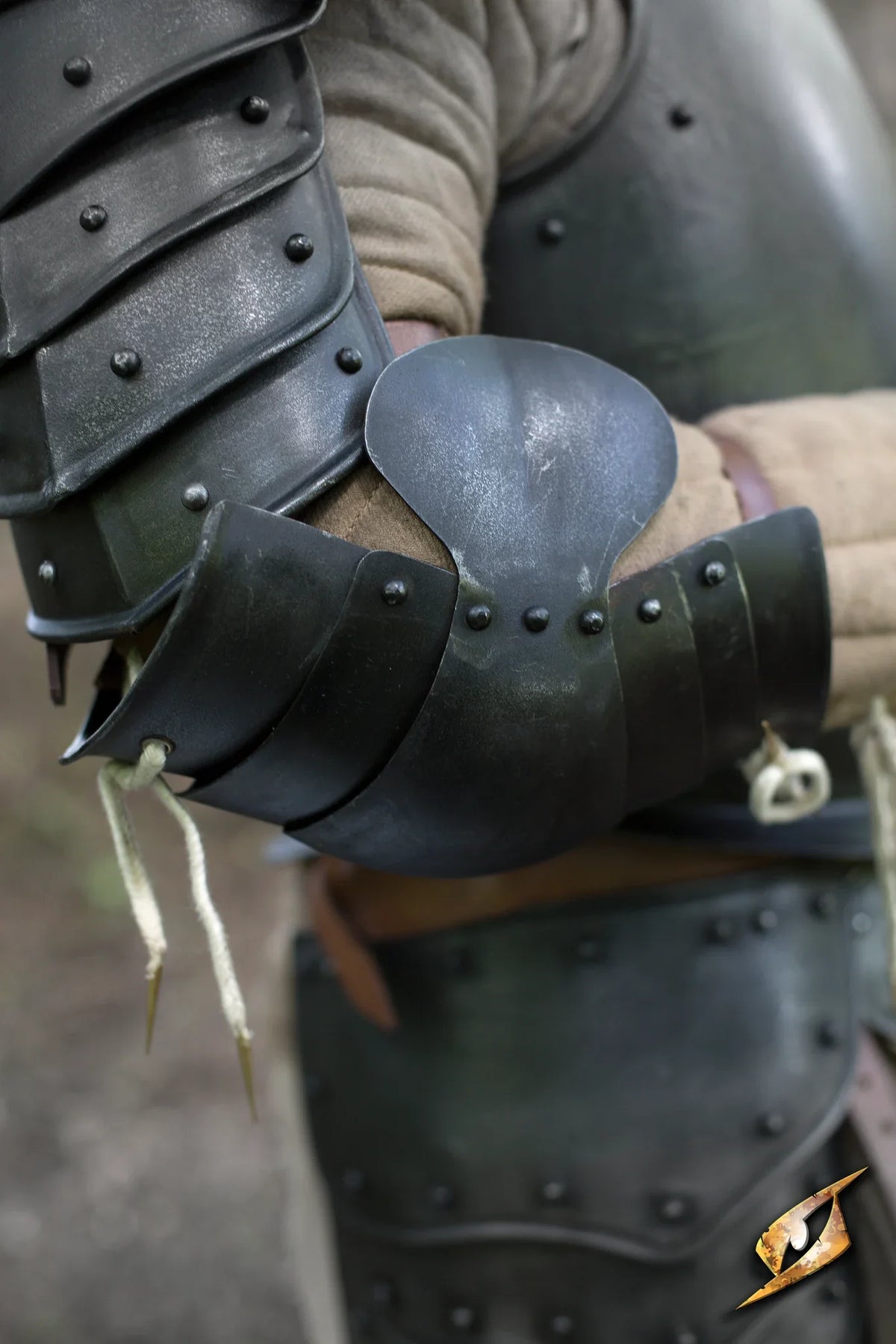
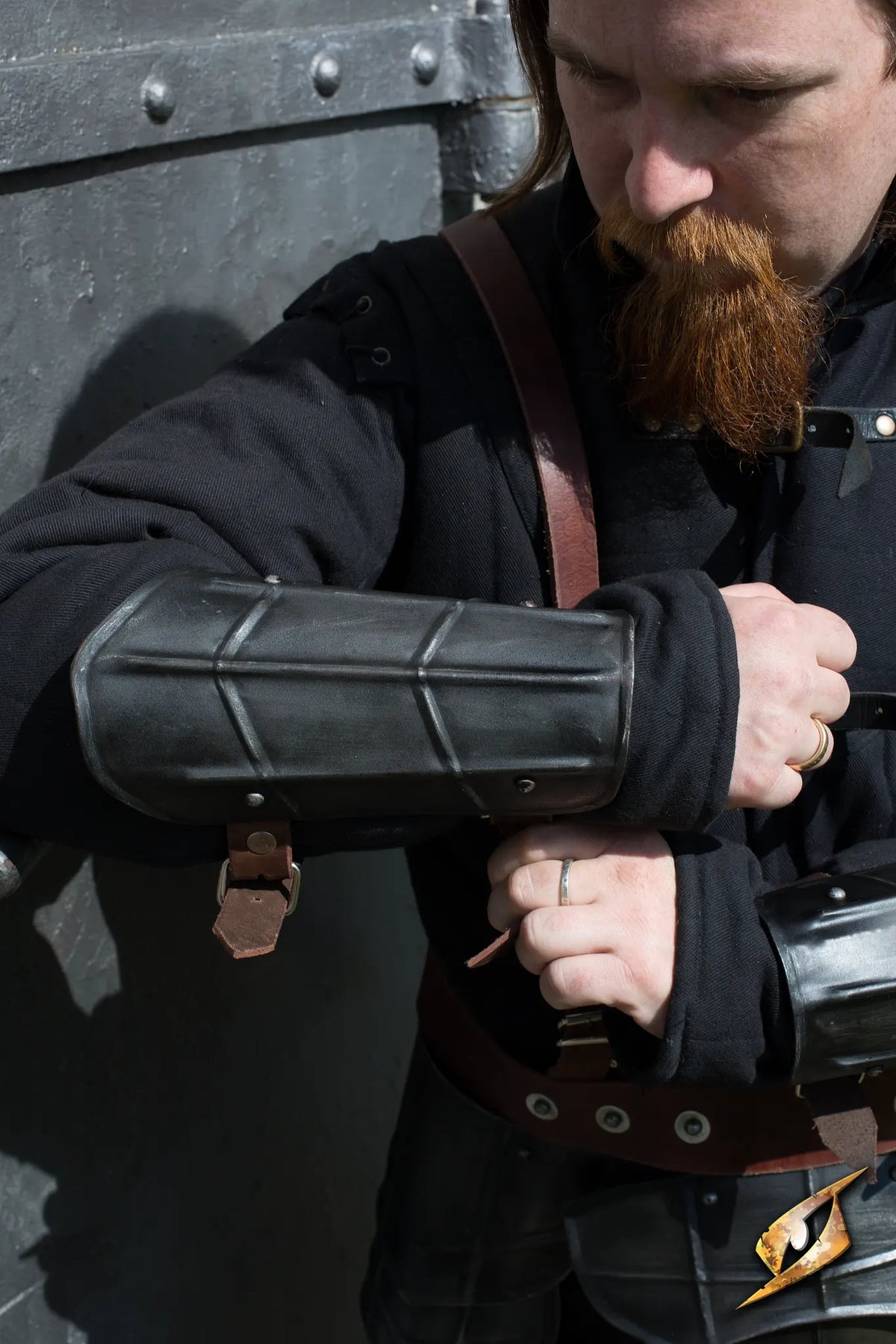
Medieval Armor: Find everything from mail hauberks and gauntlets to segmented plate components.
-
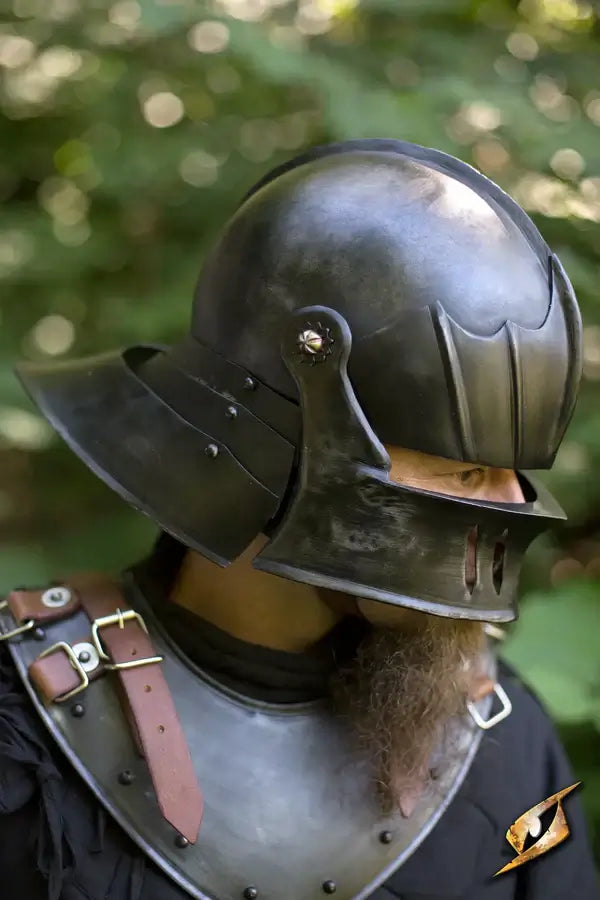
Medieval Helmets: Browse a wide selection, from simple conical helmets to fully visored bascinets and sallets.
-
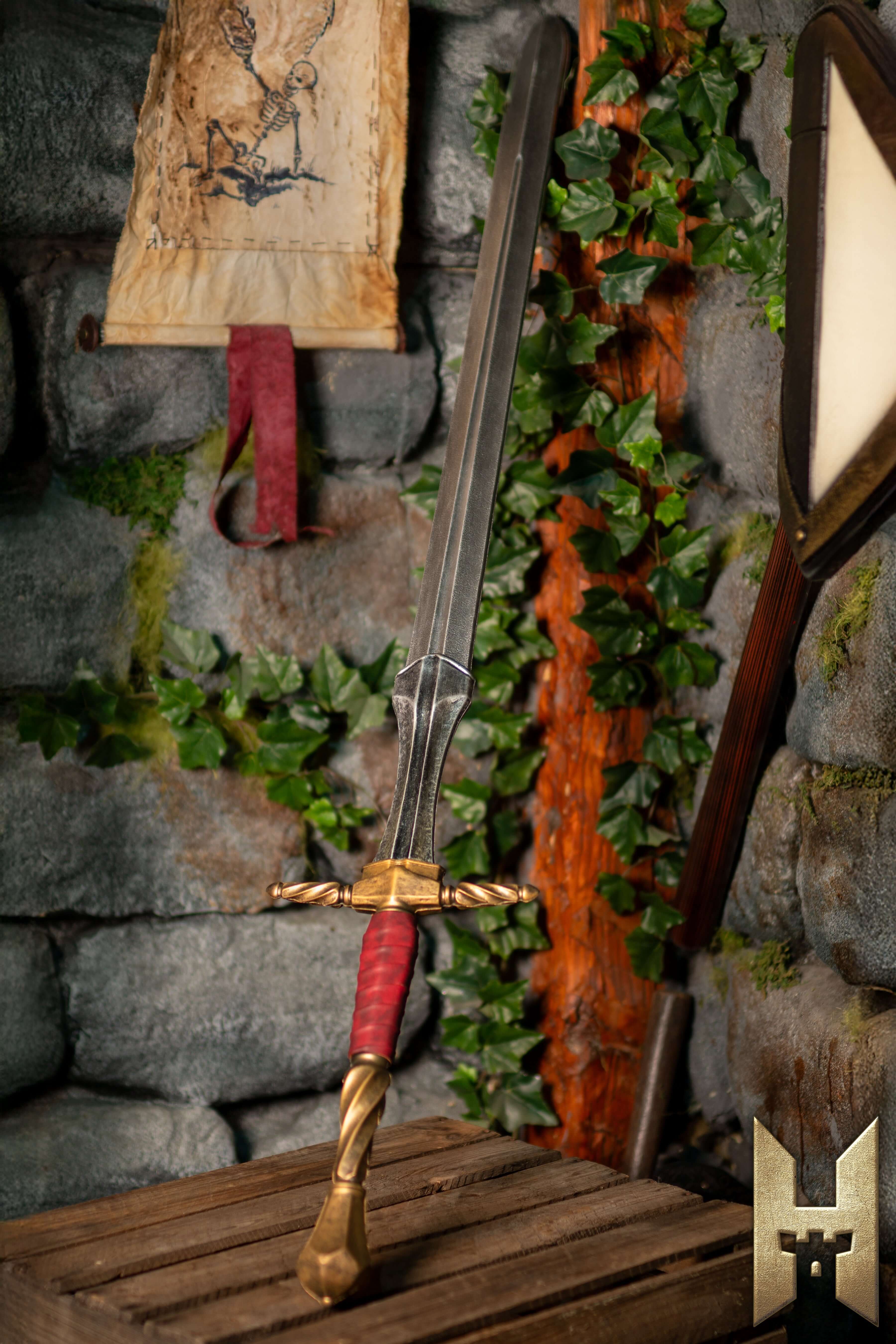
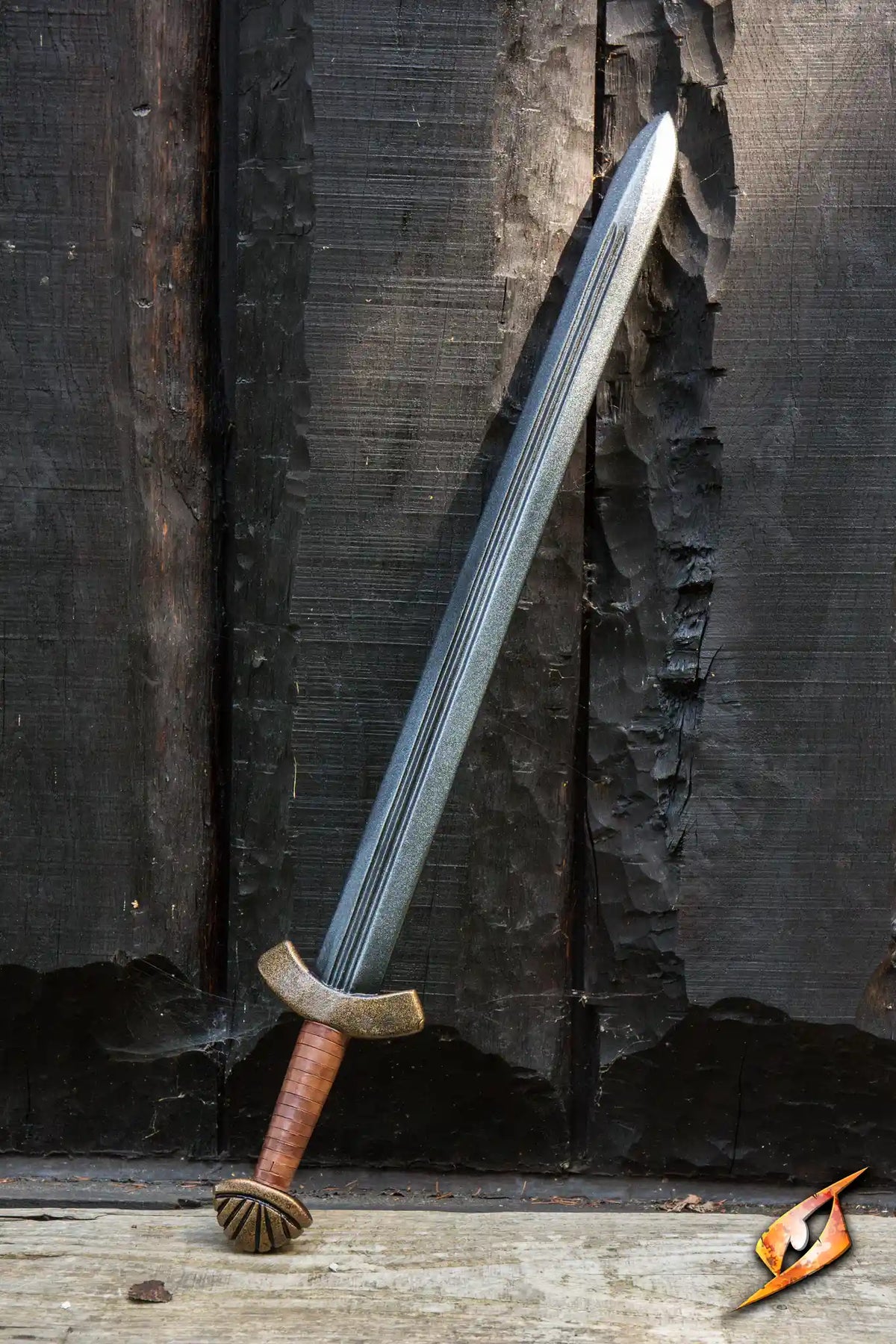
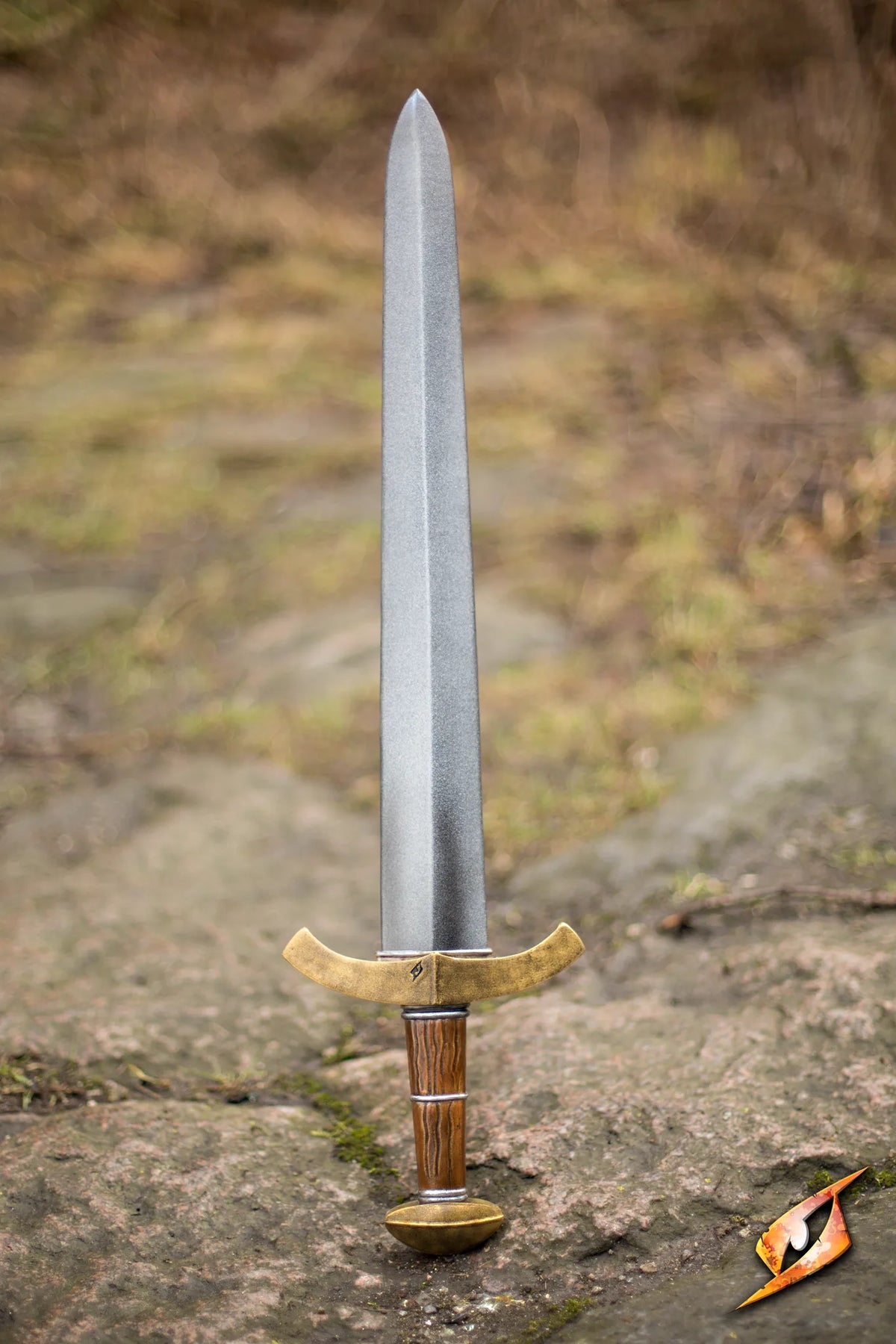
Medieval Swords: Examine historically inspired swords and other blades that range from broadswords to late-period longswords.
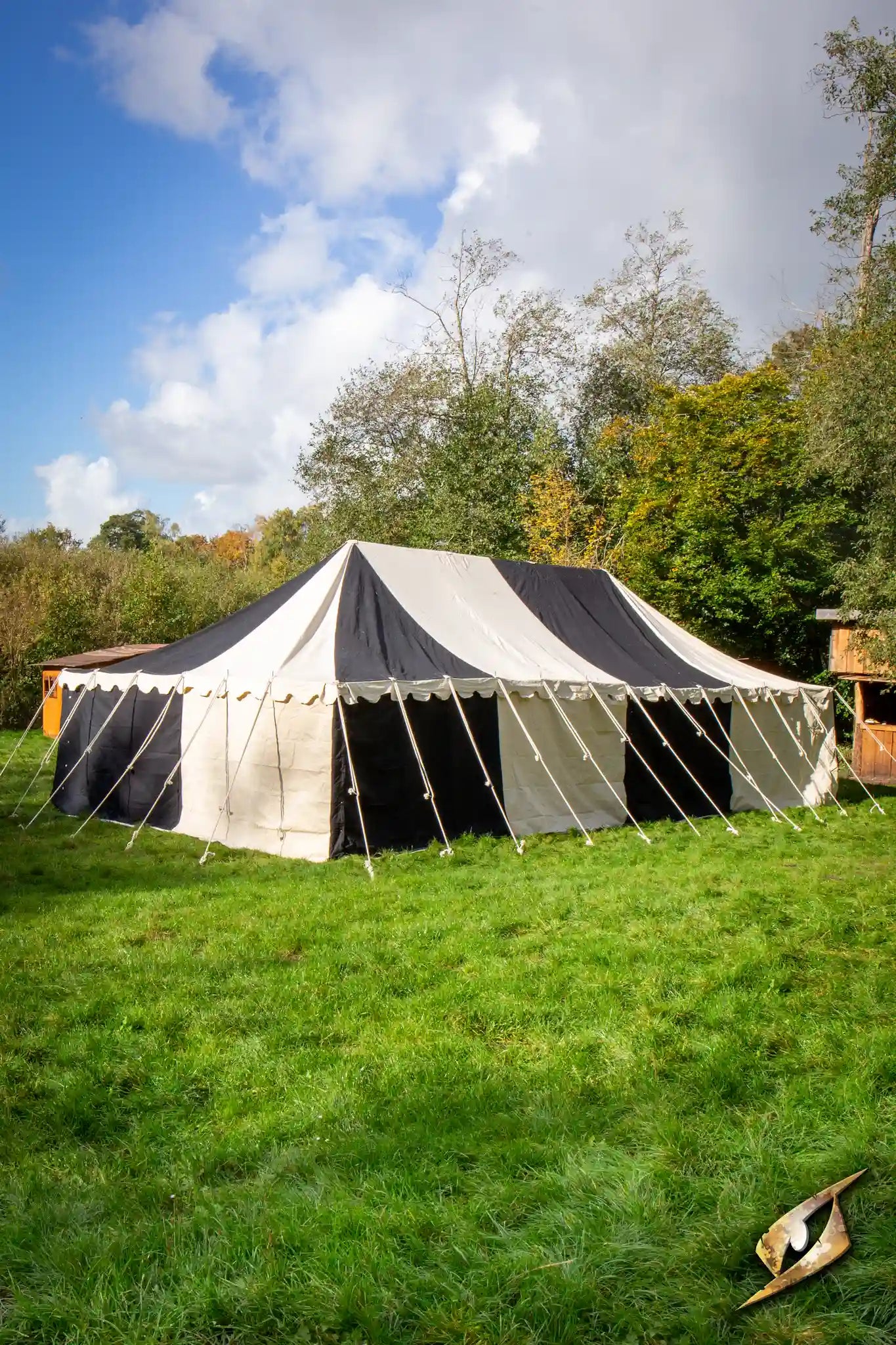
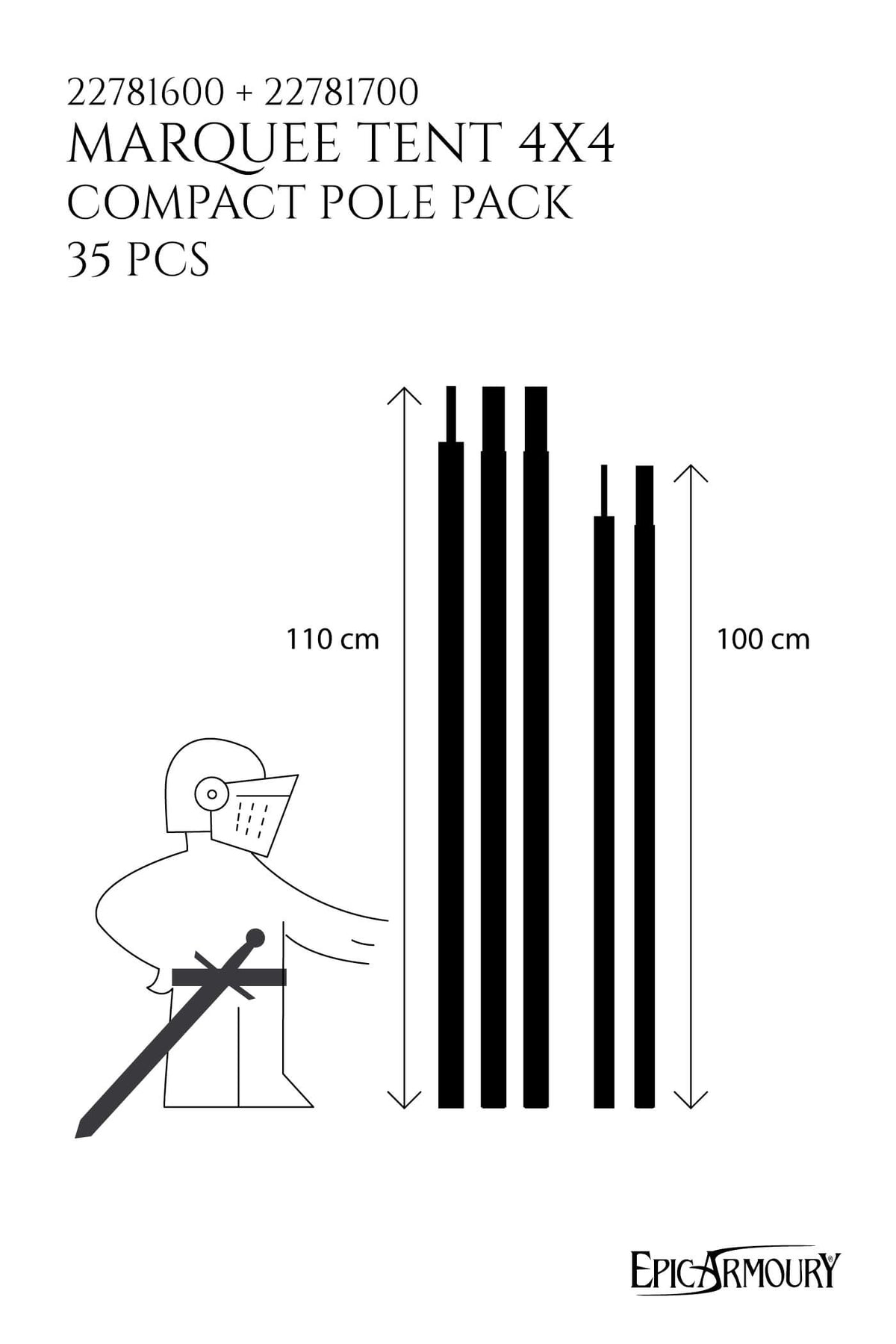
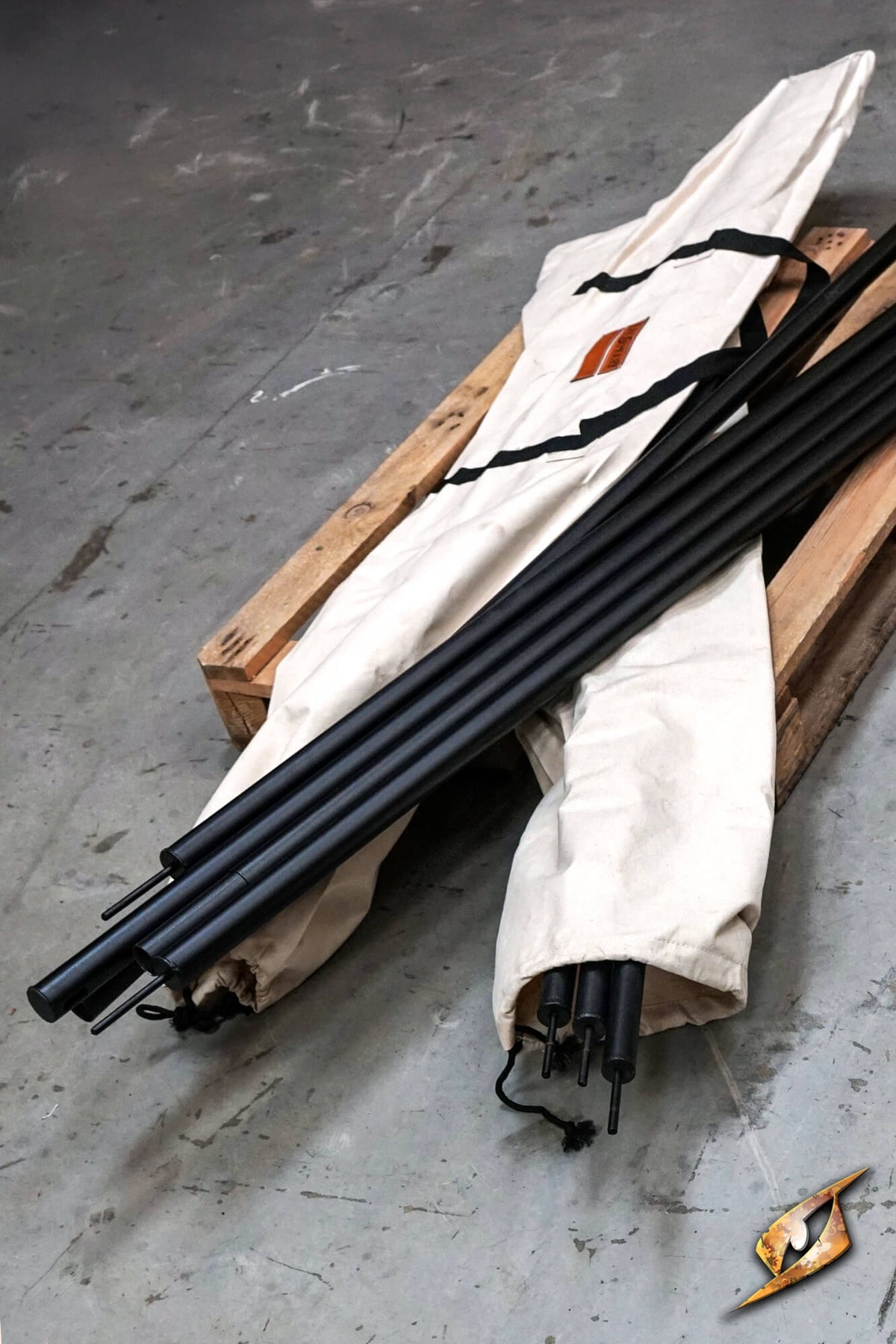
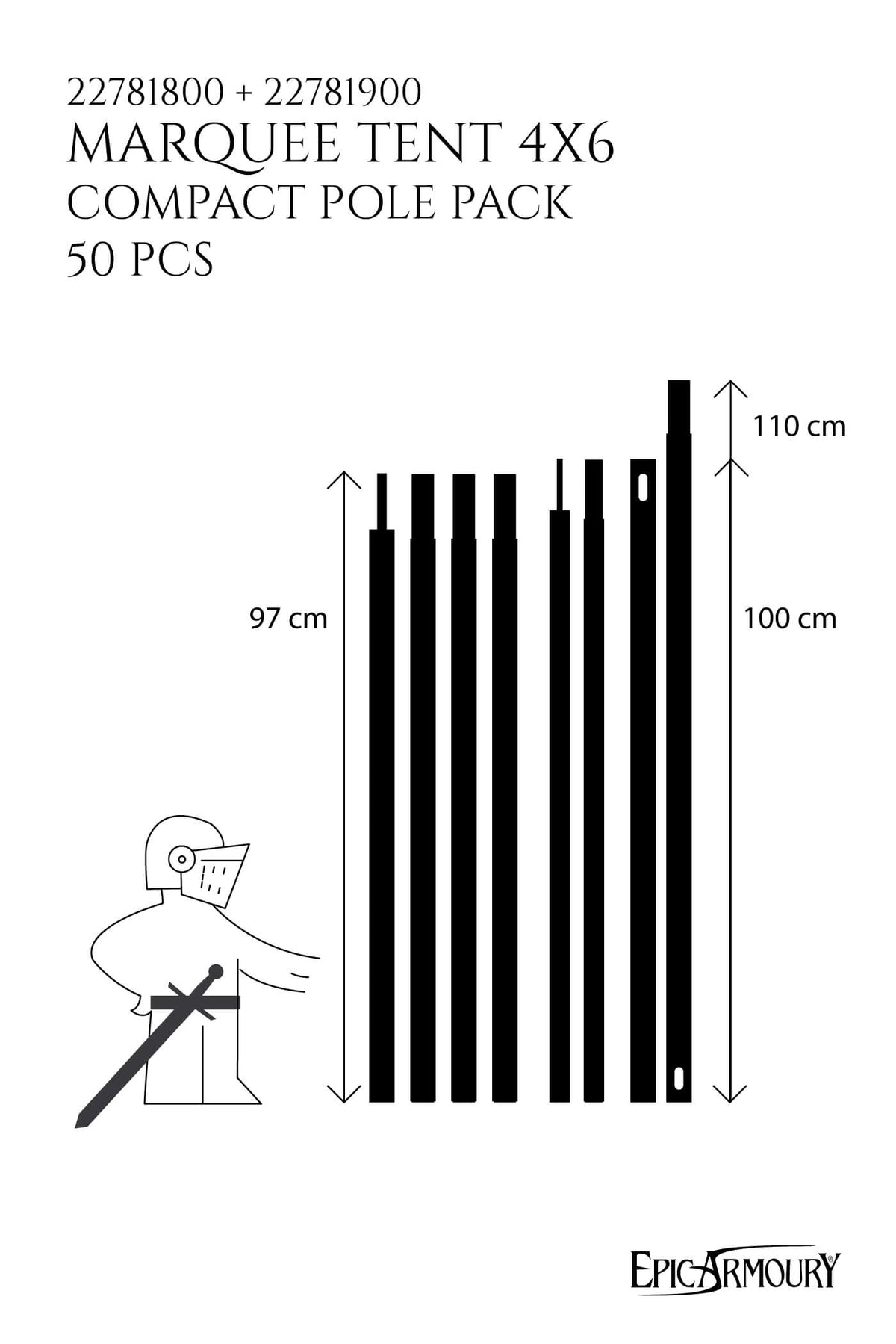
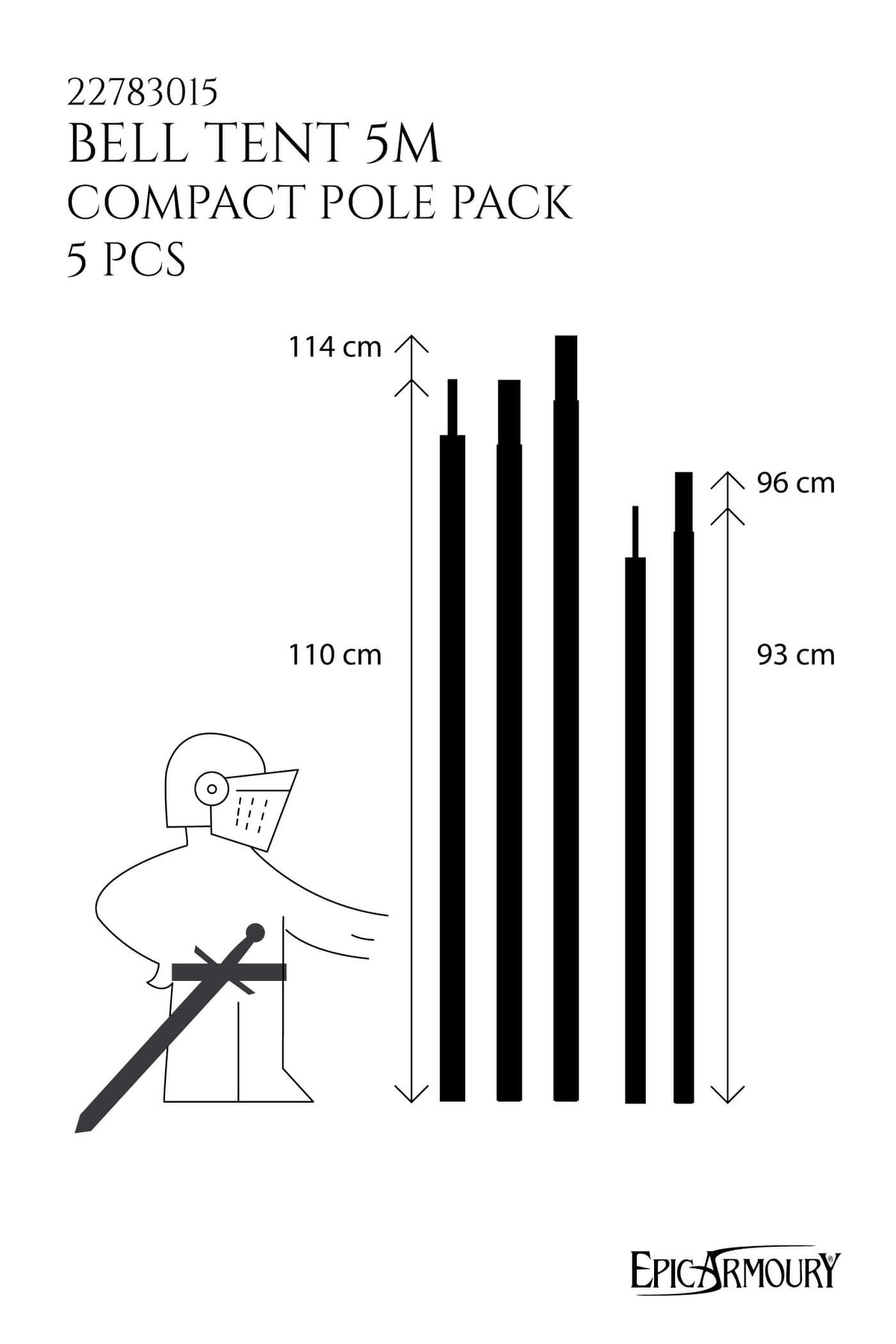
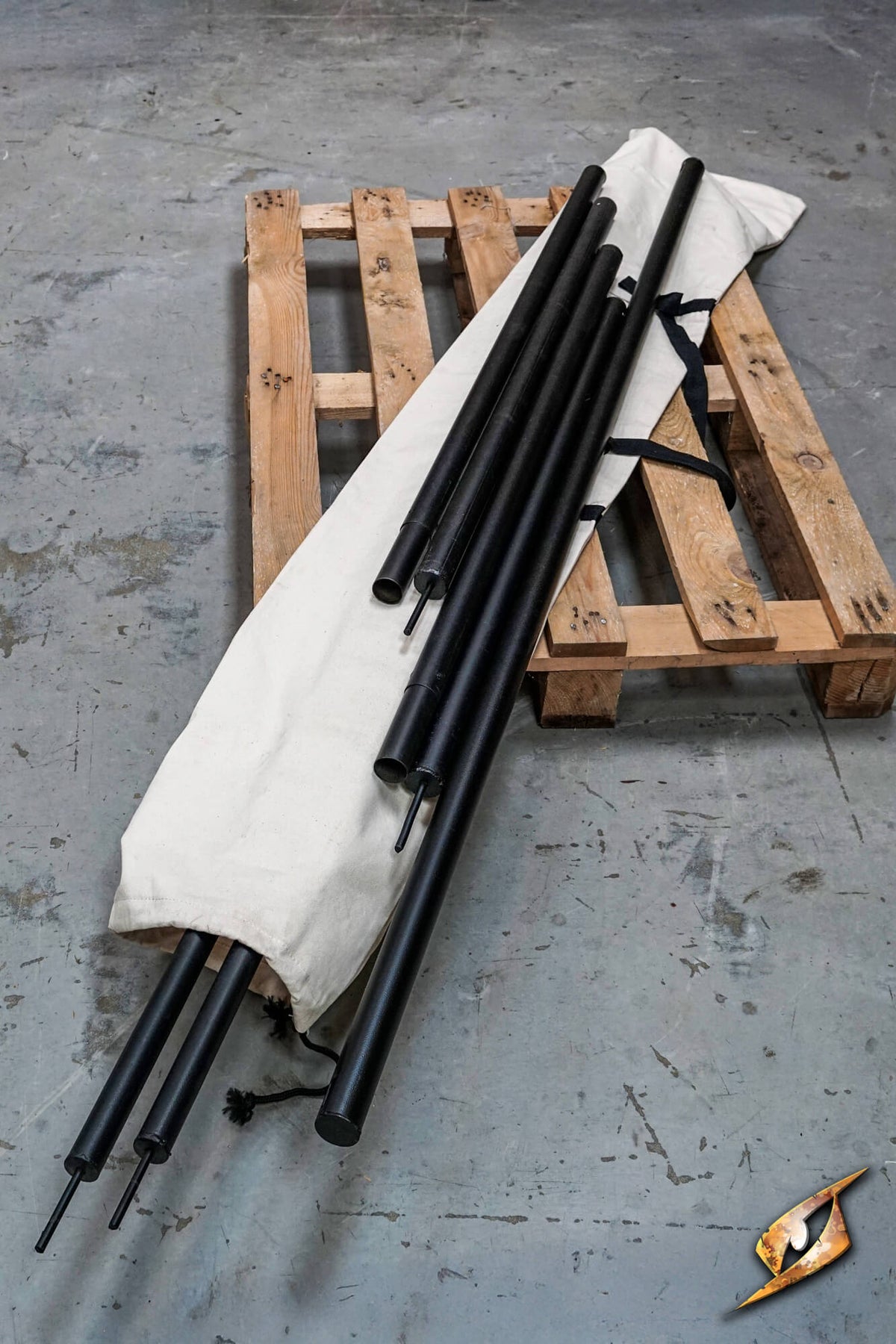
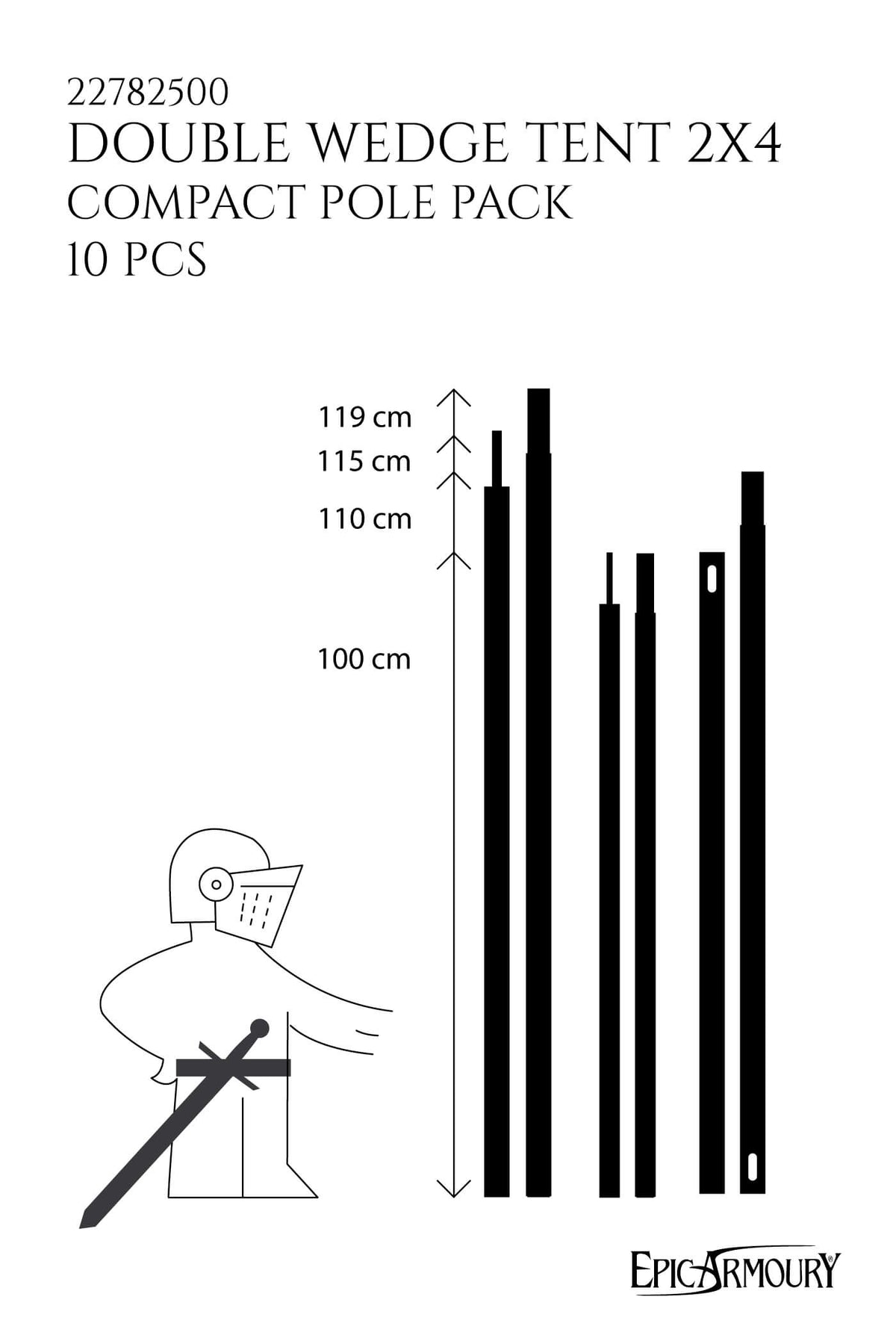
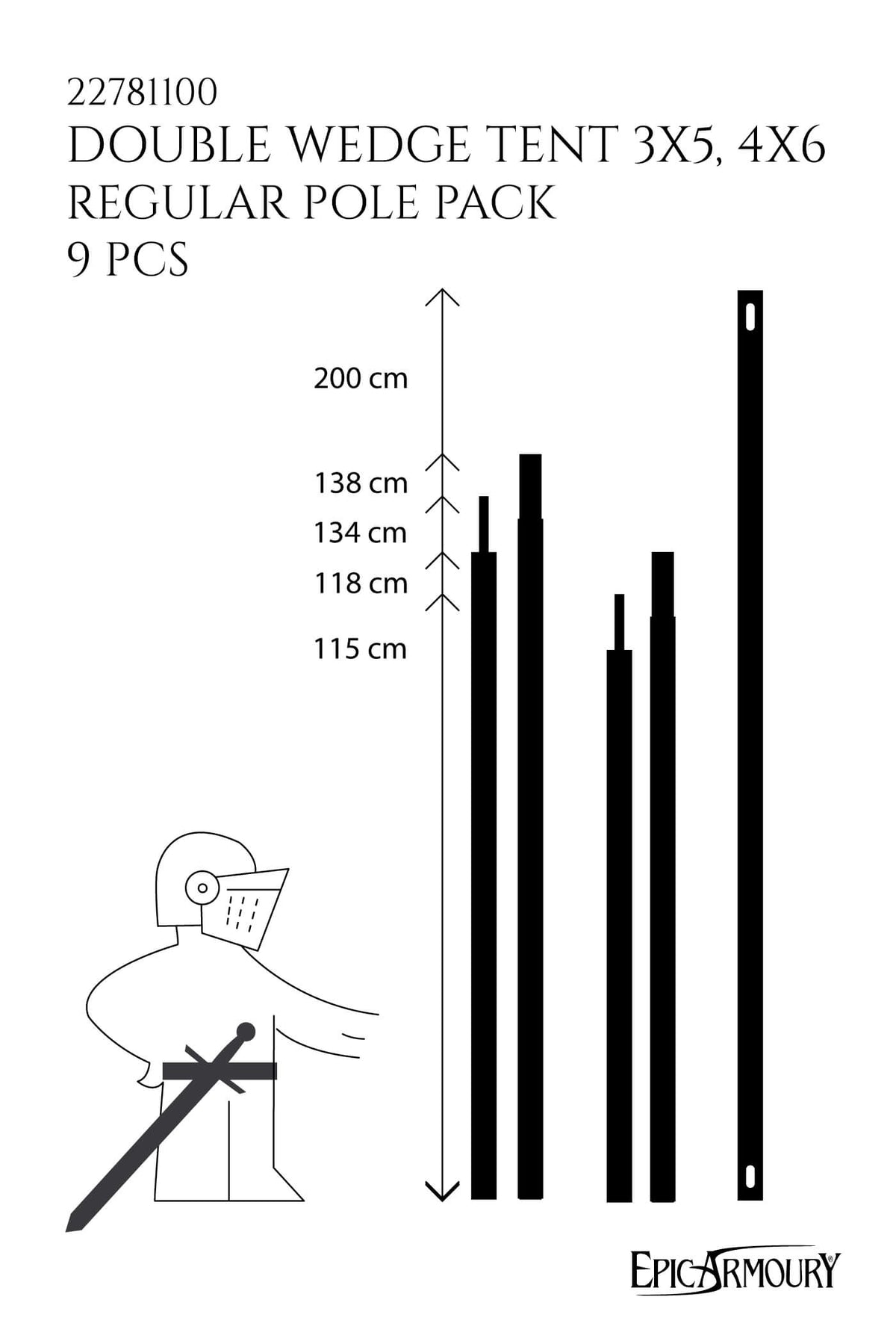
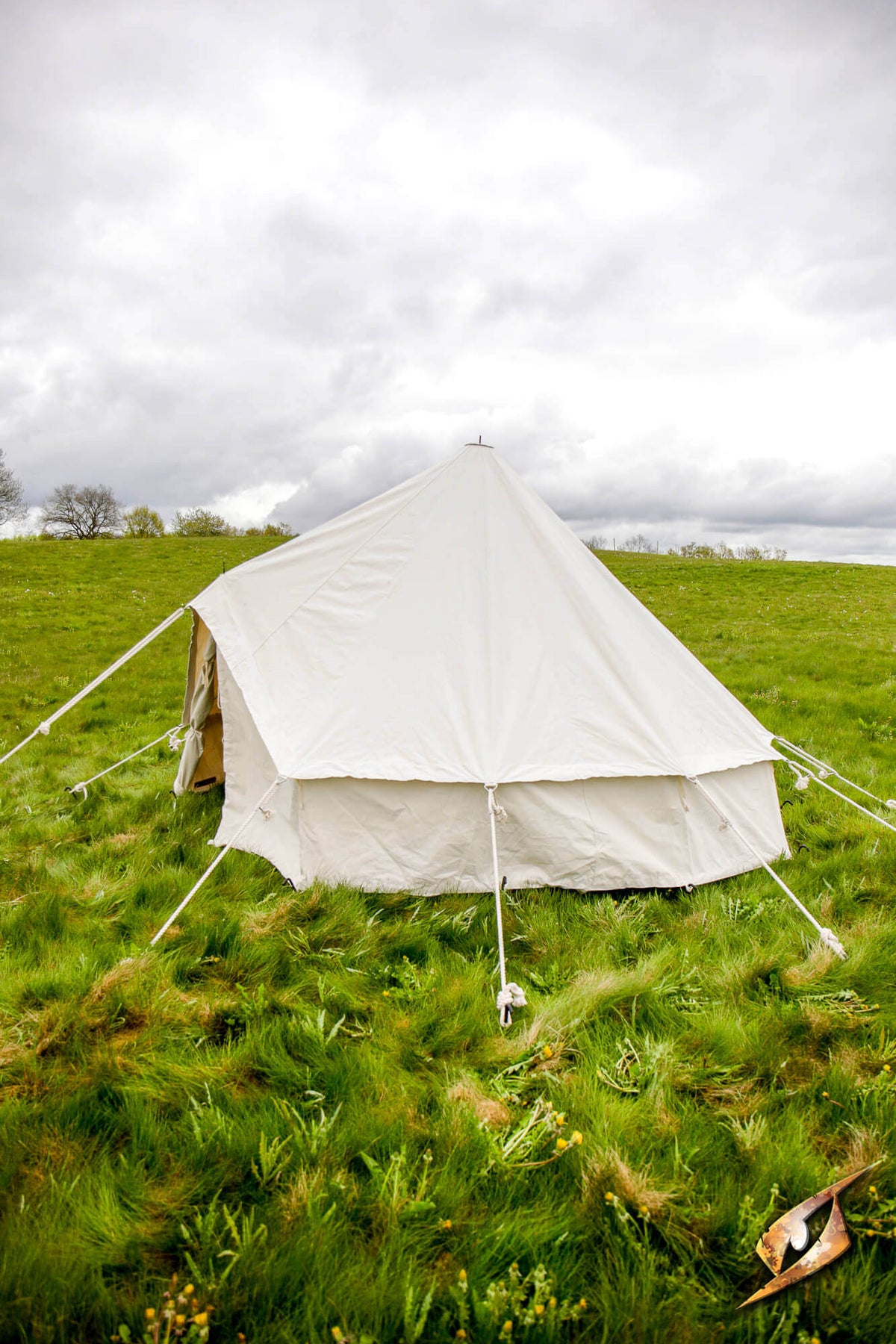
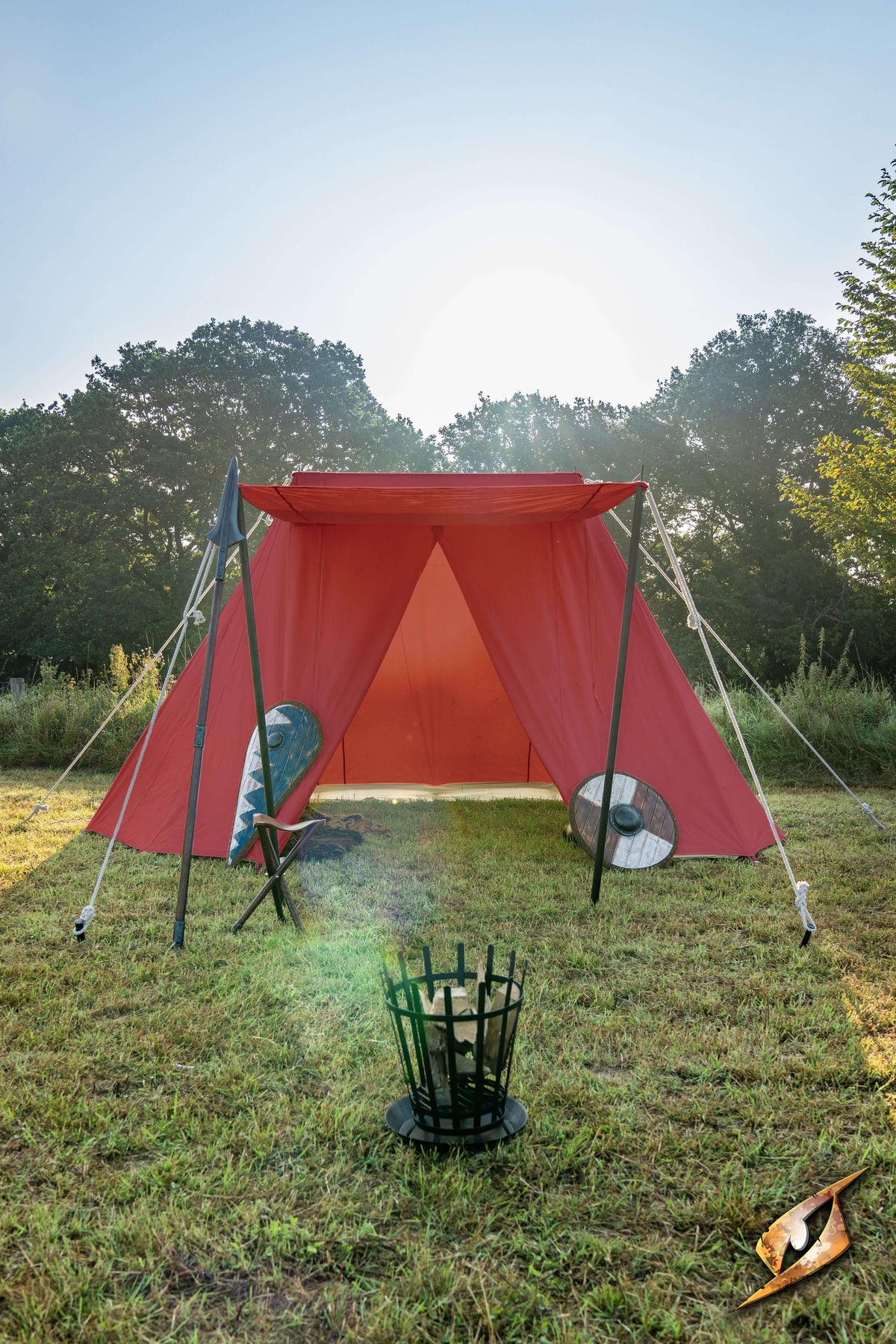
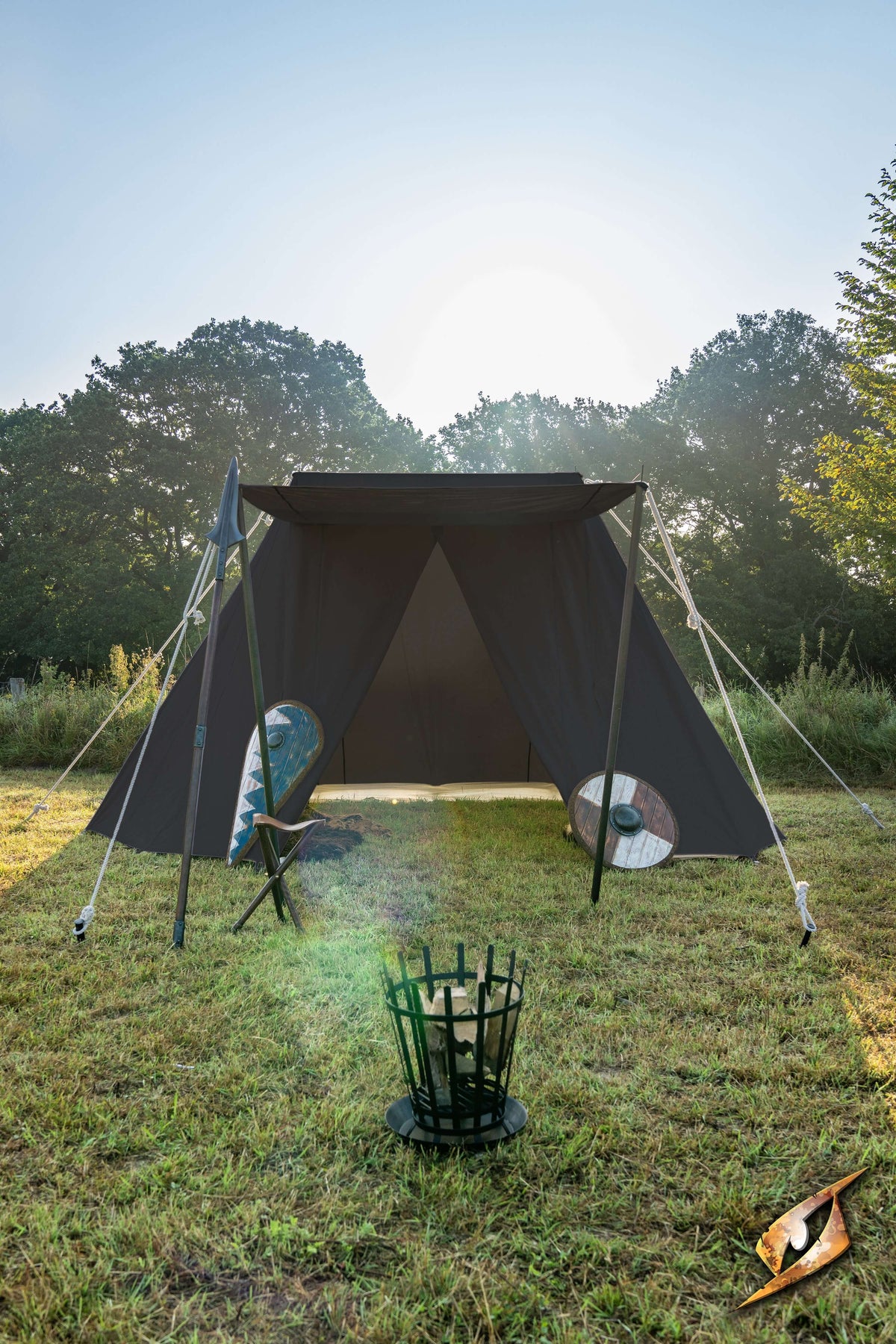
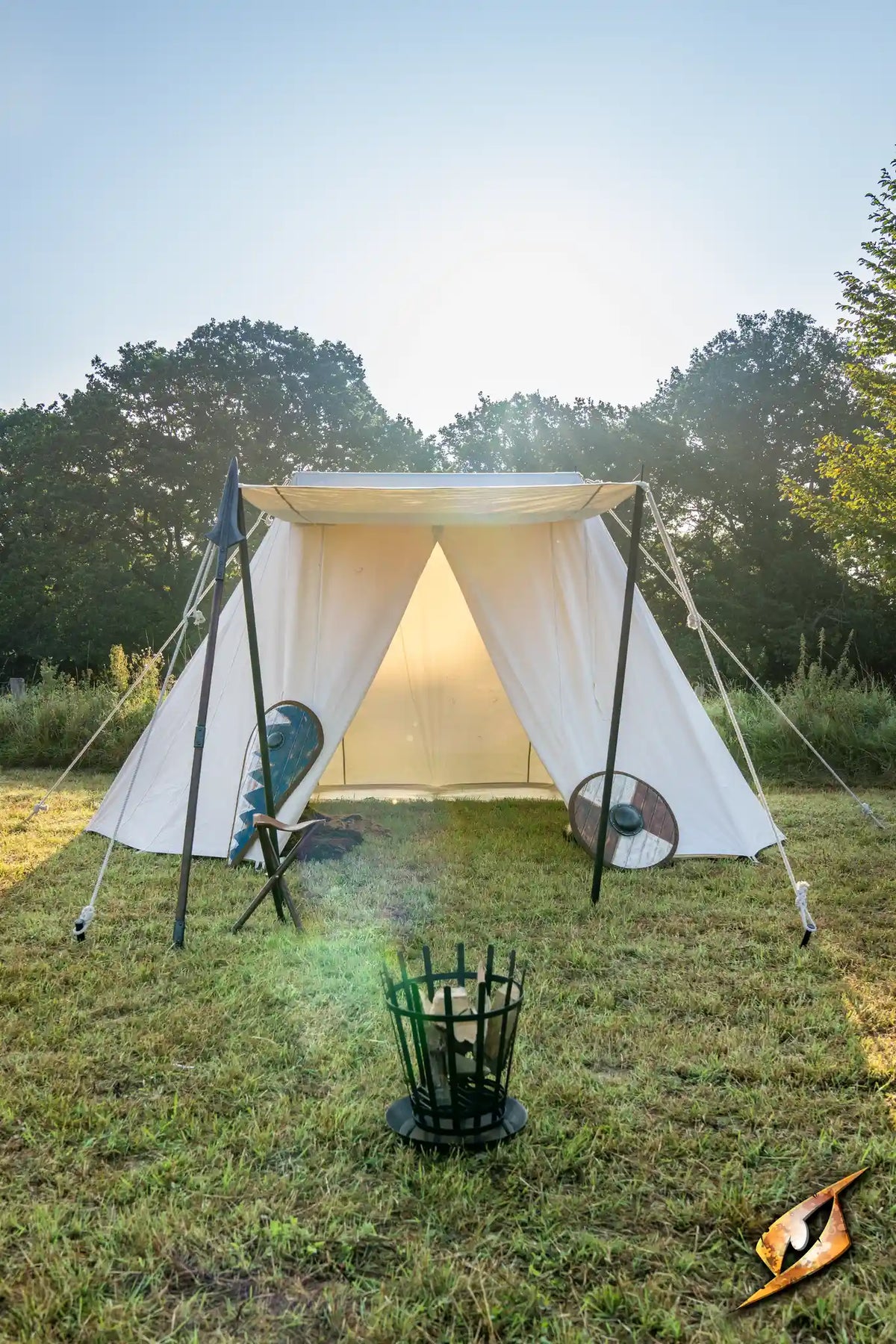
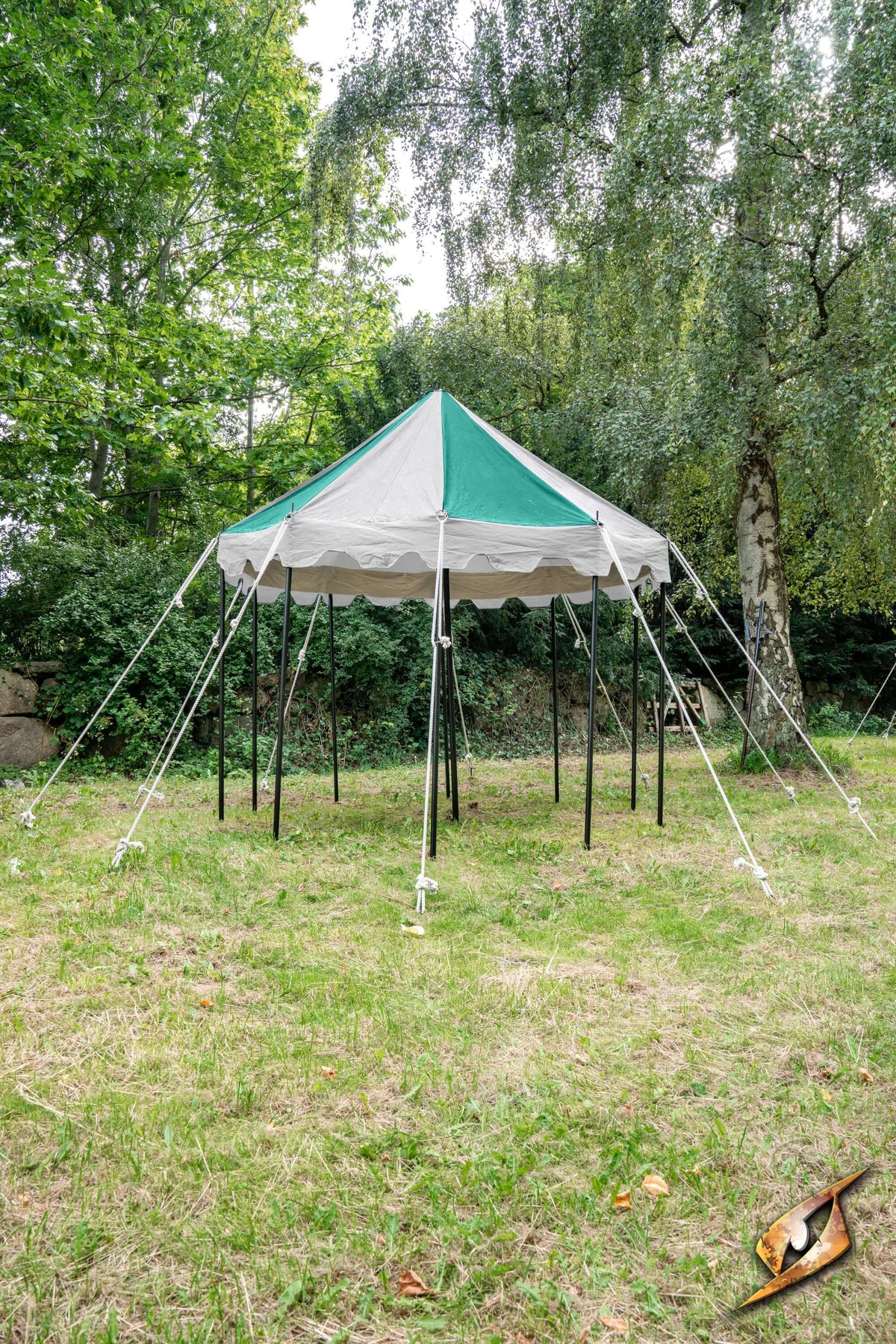
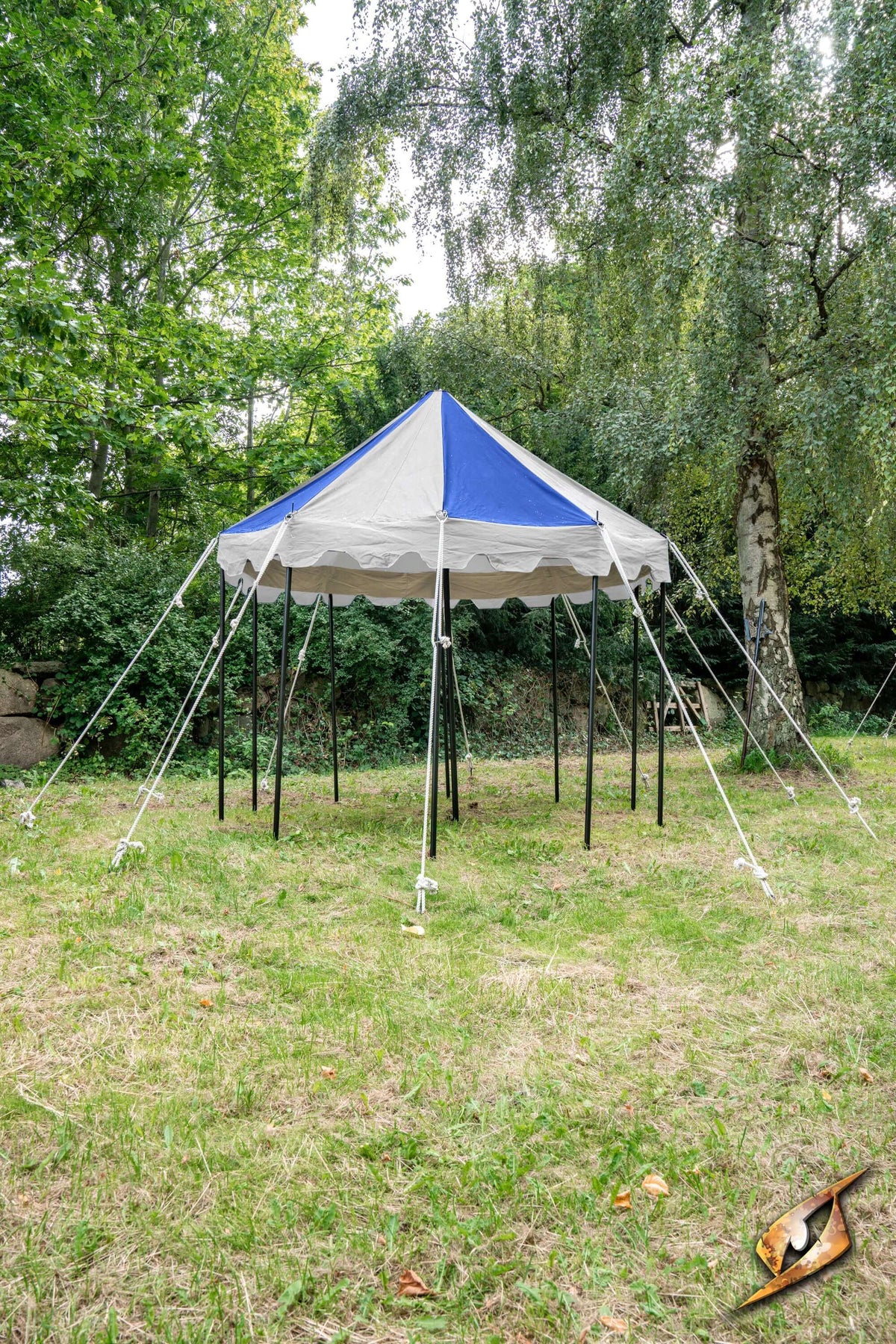
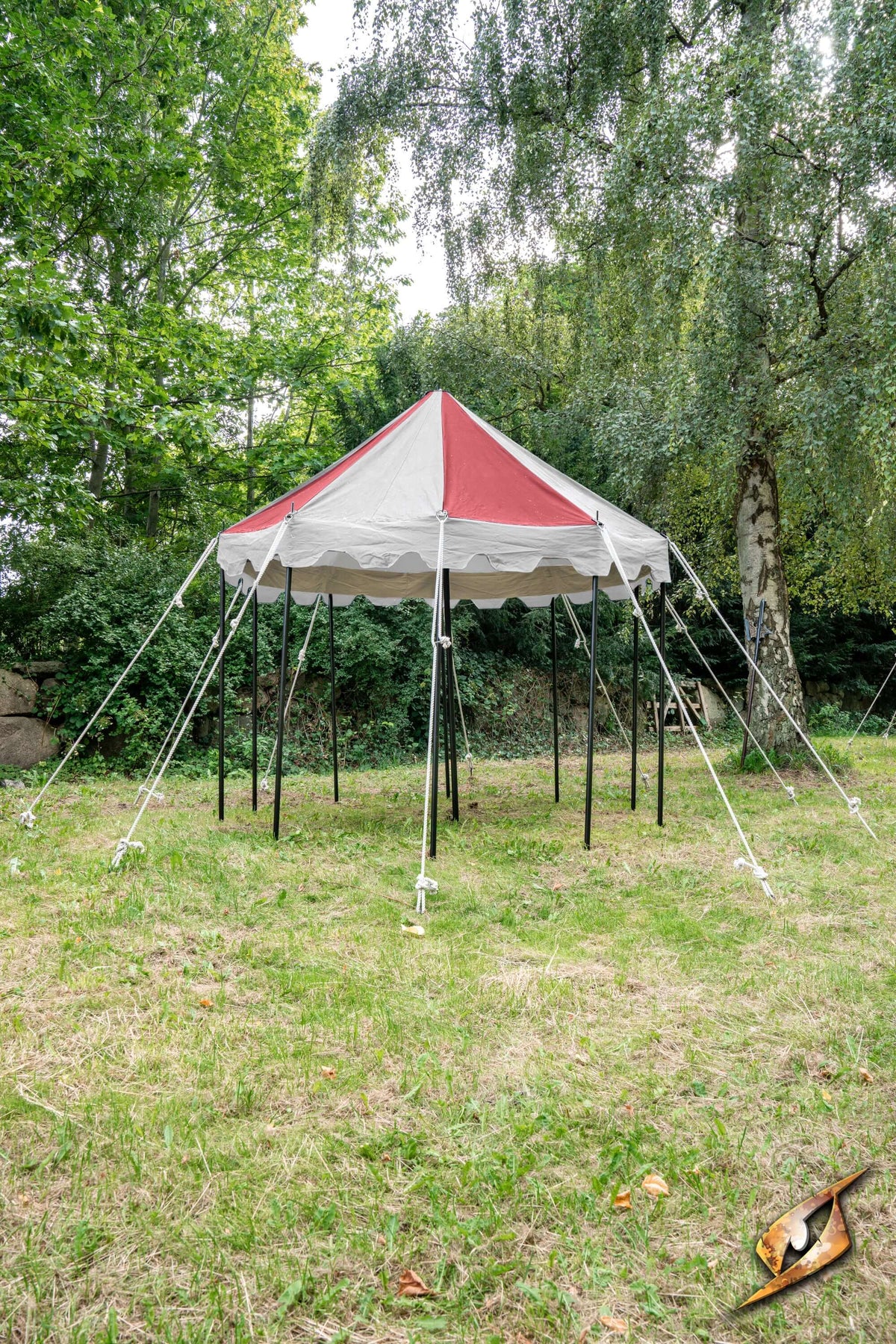
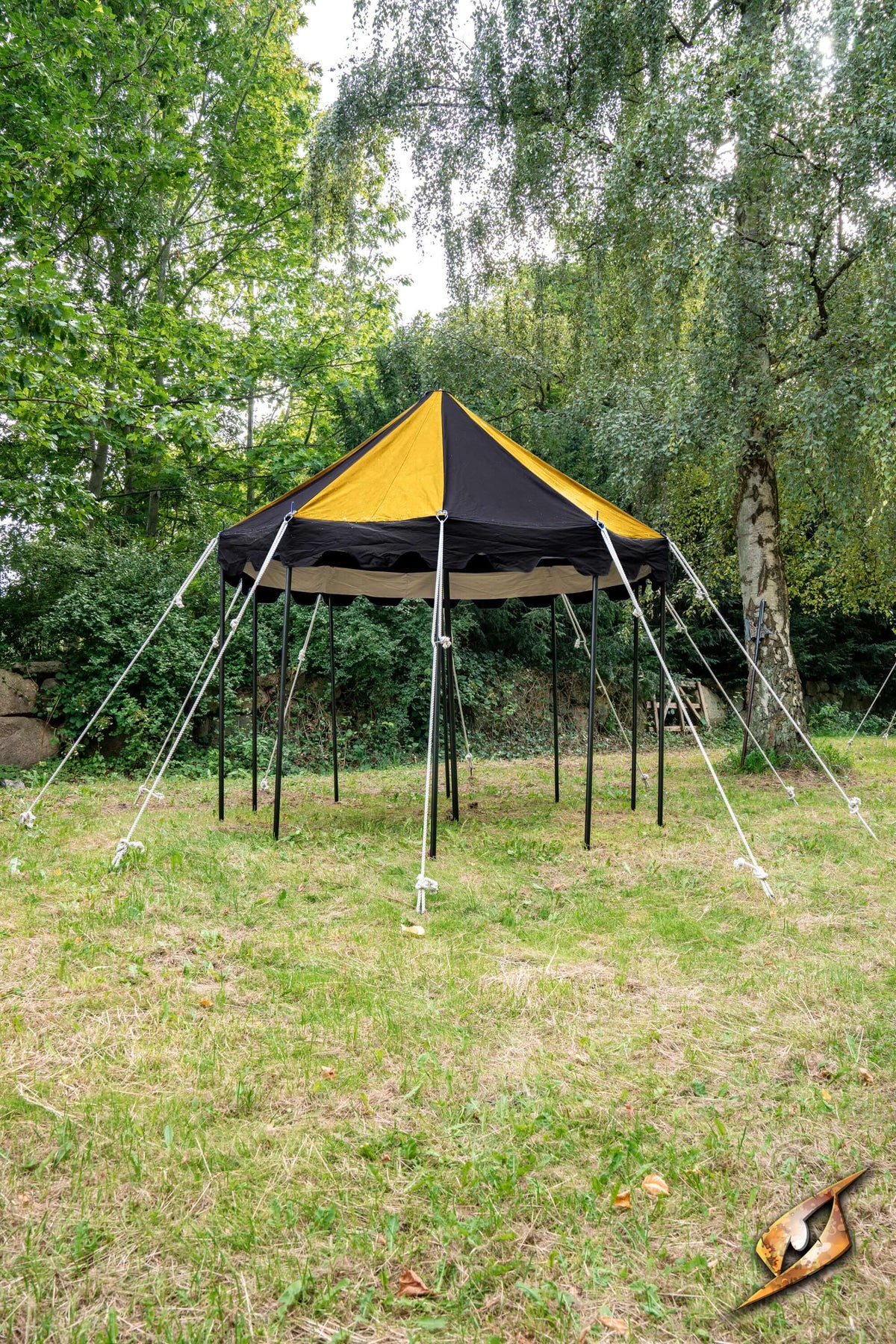
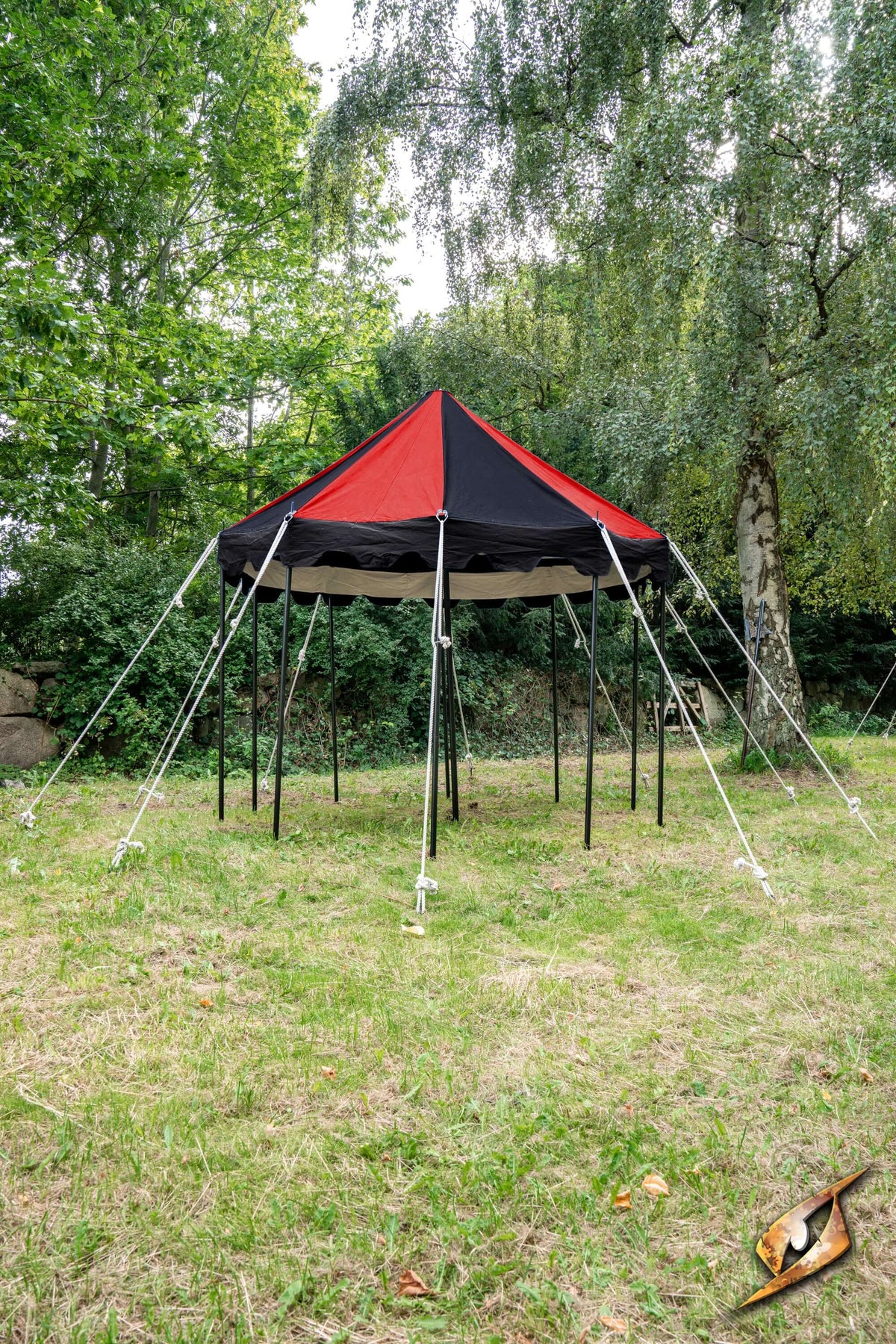
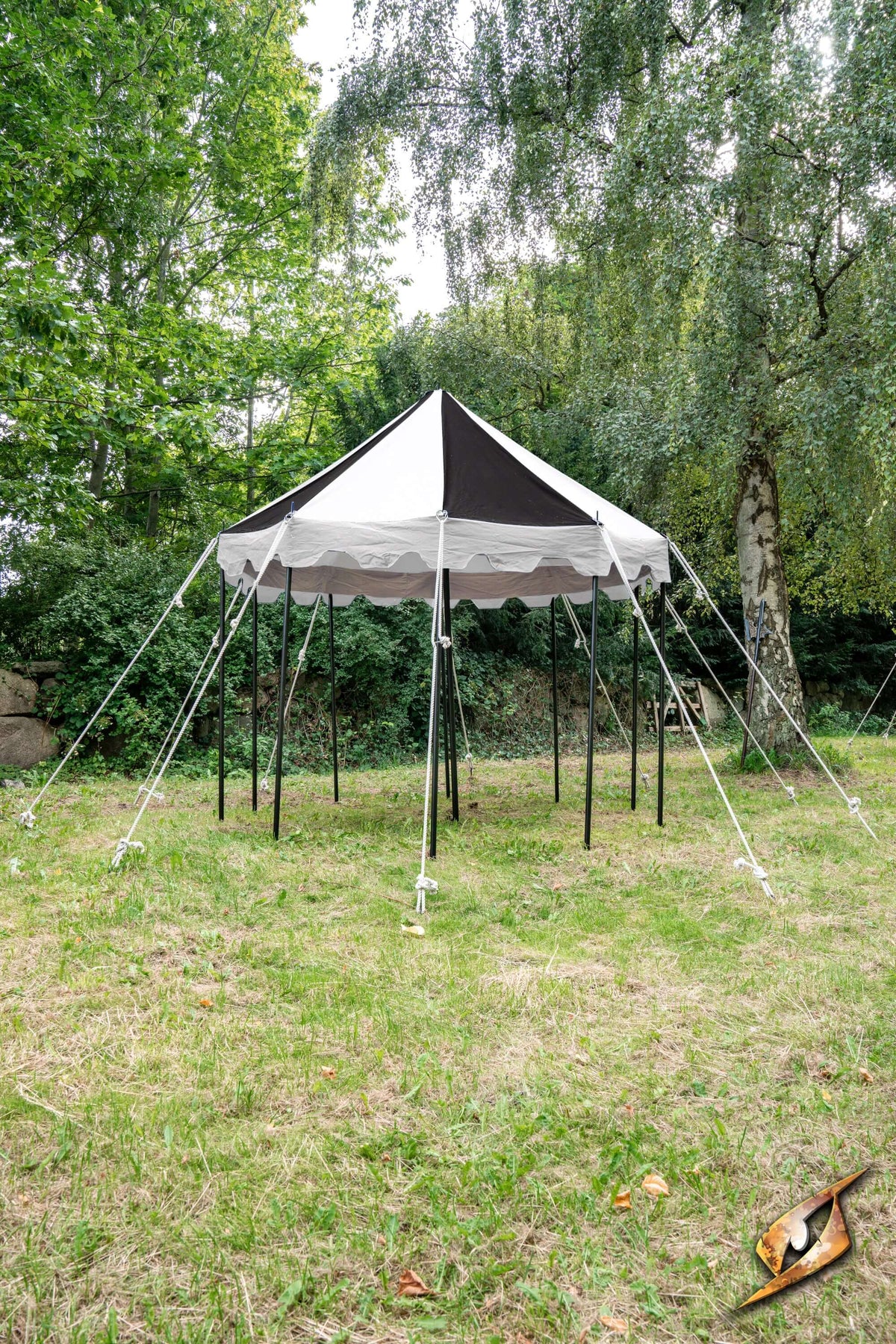
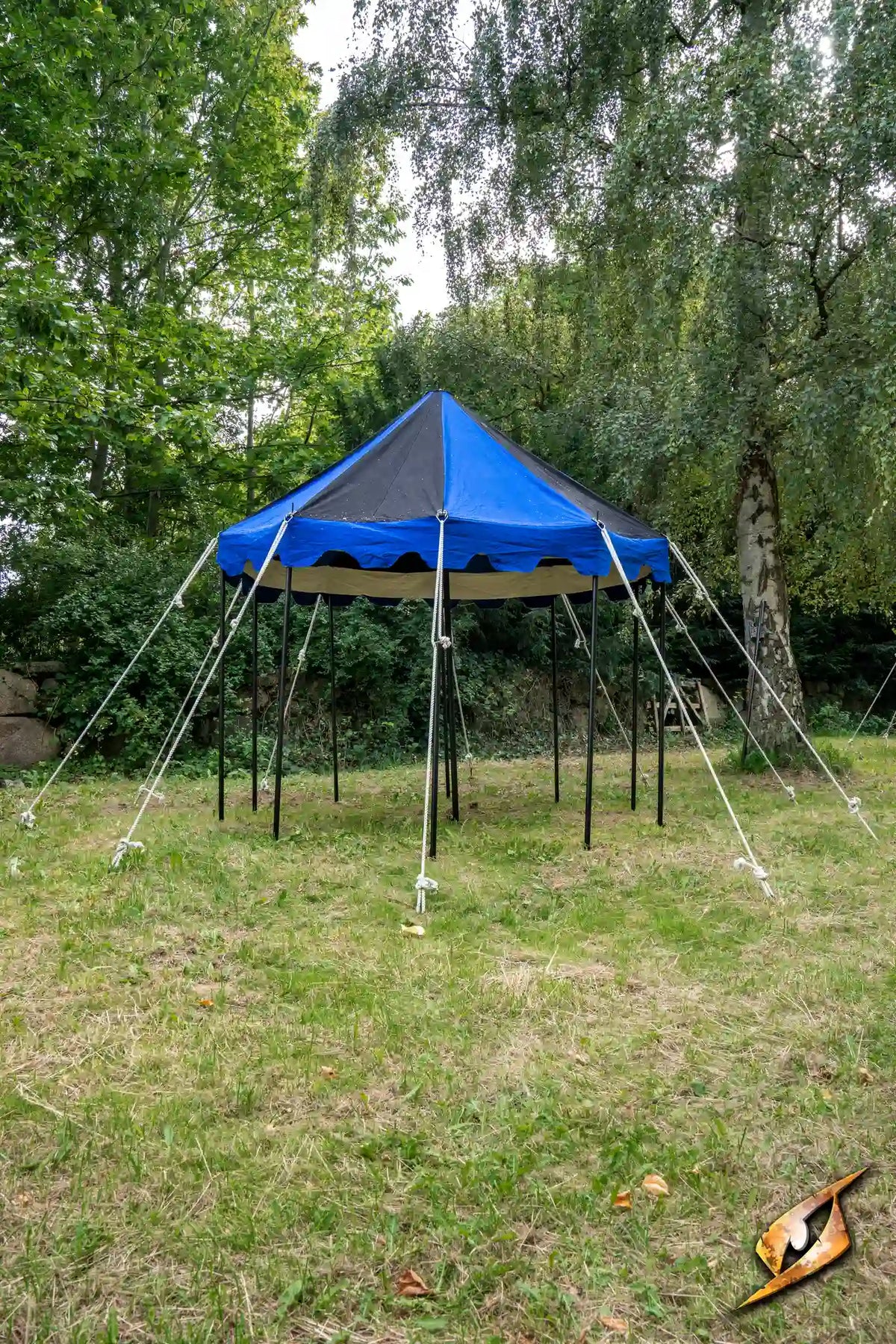
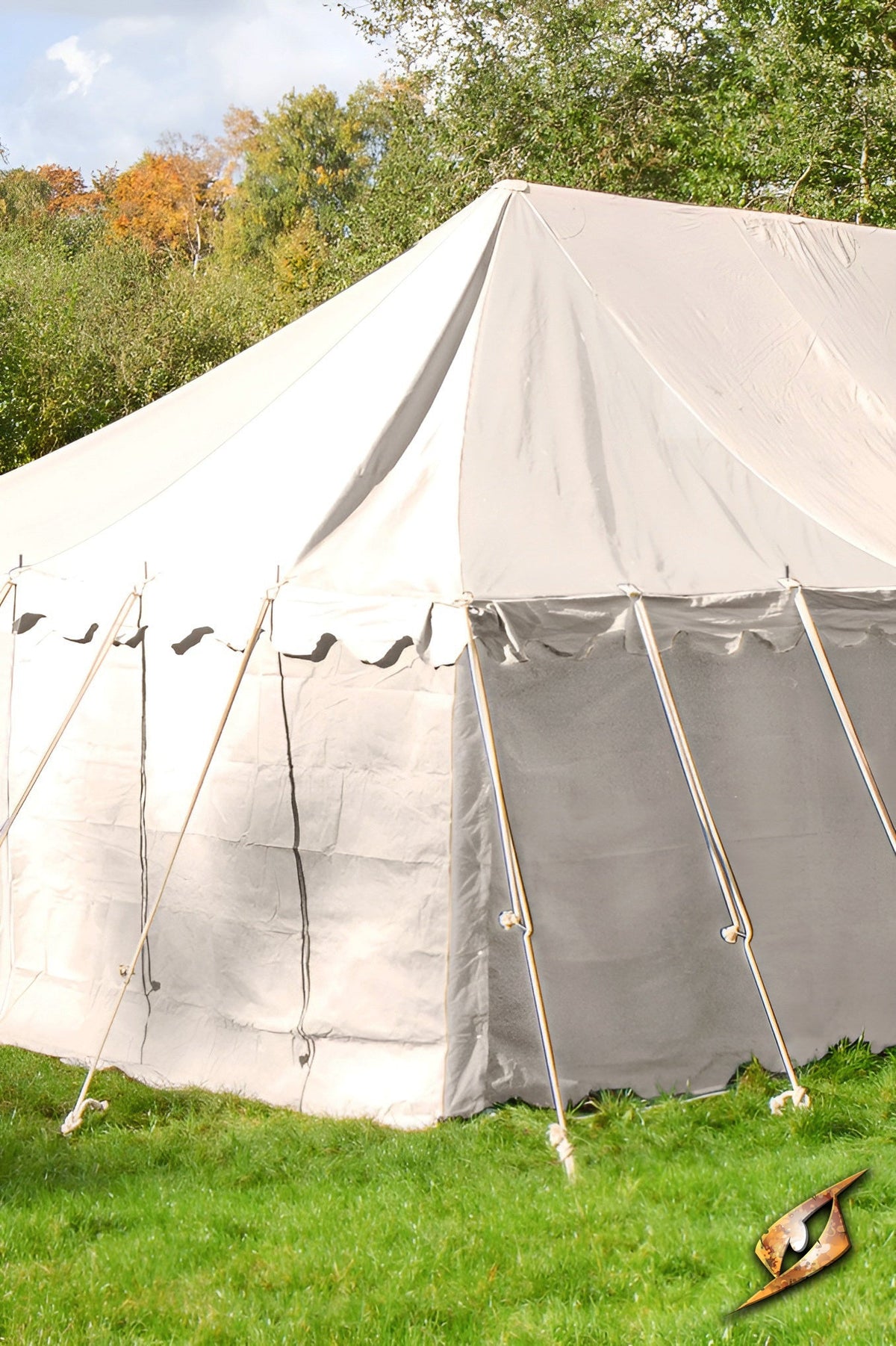
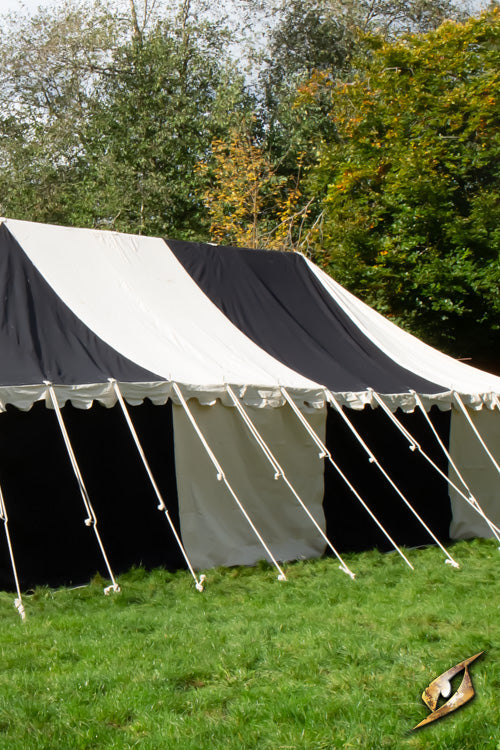
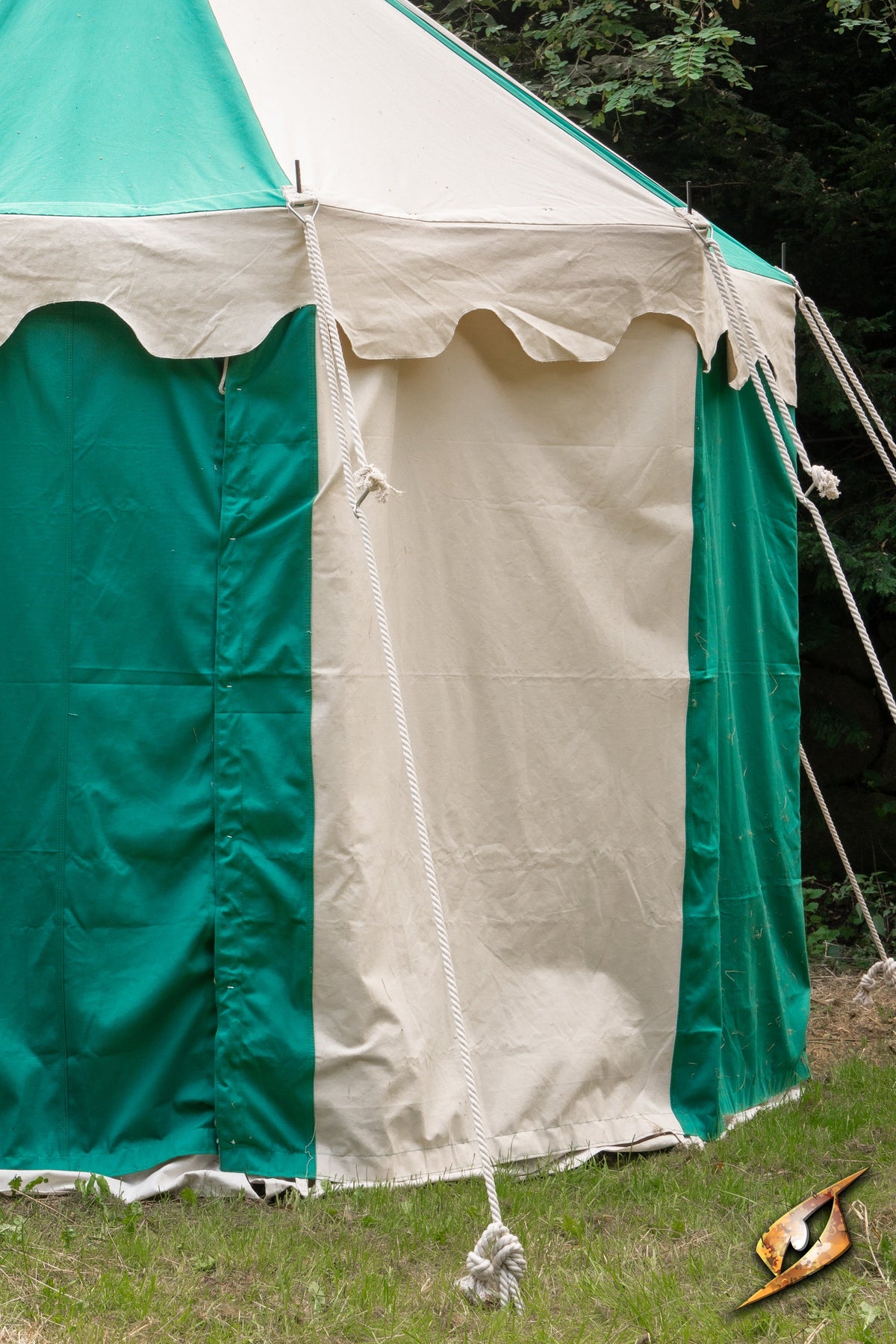
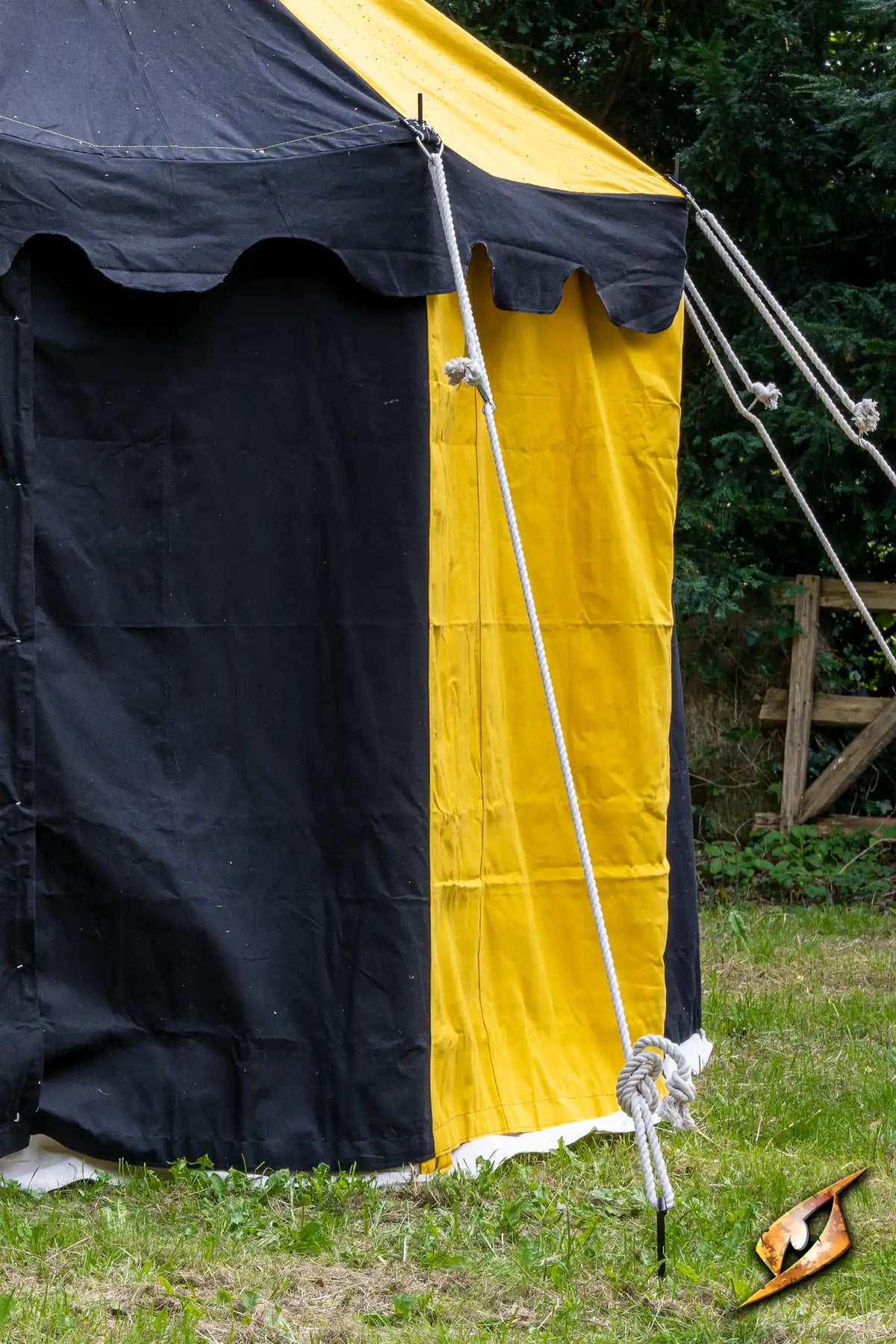
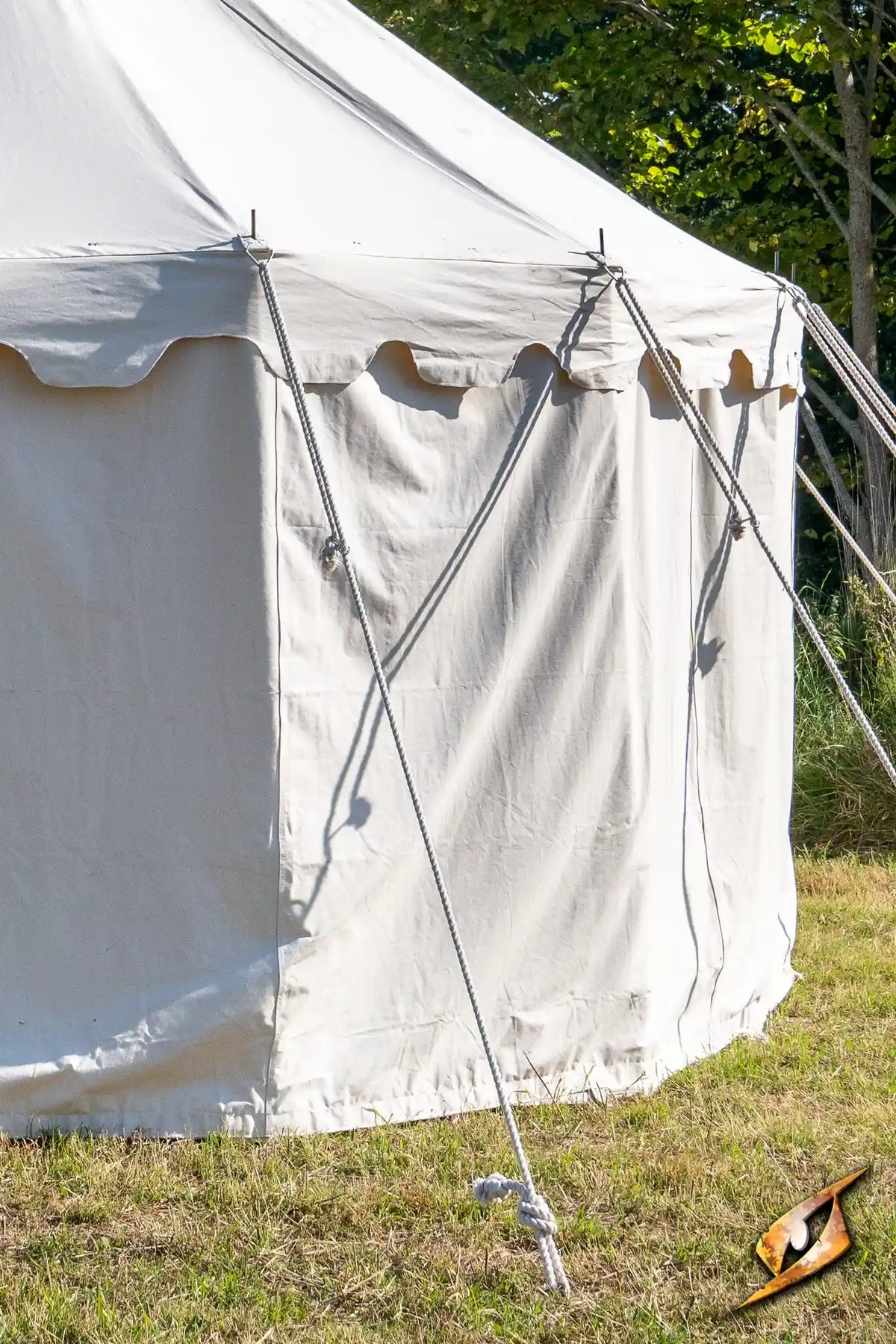
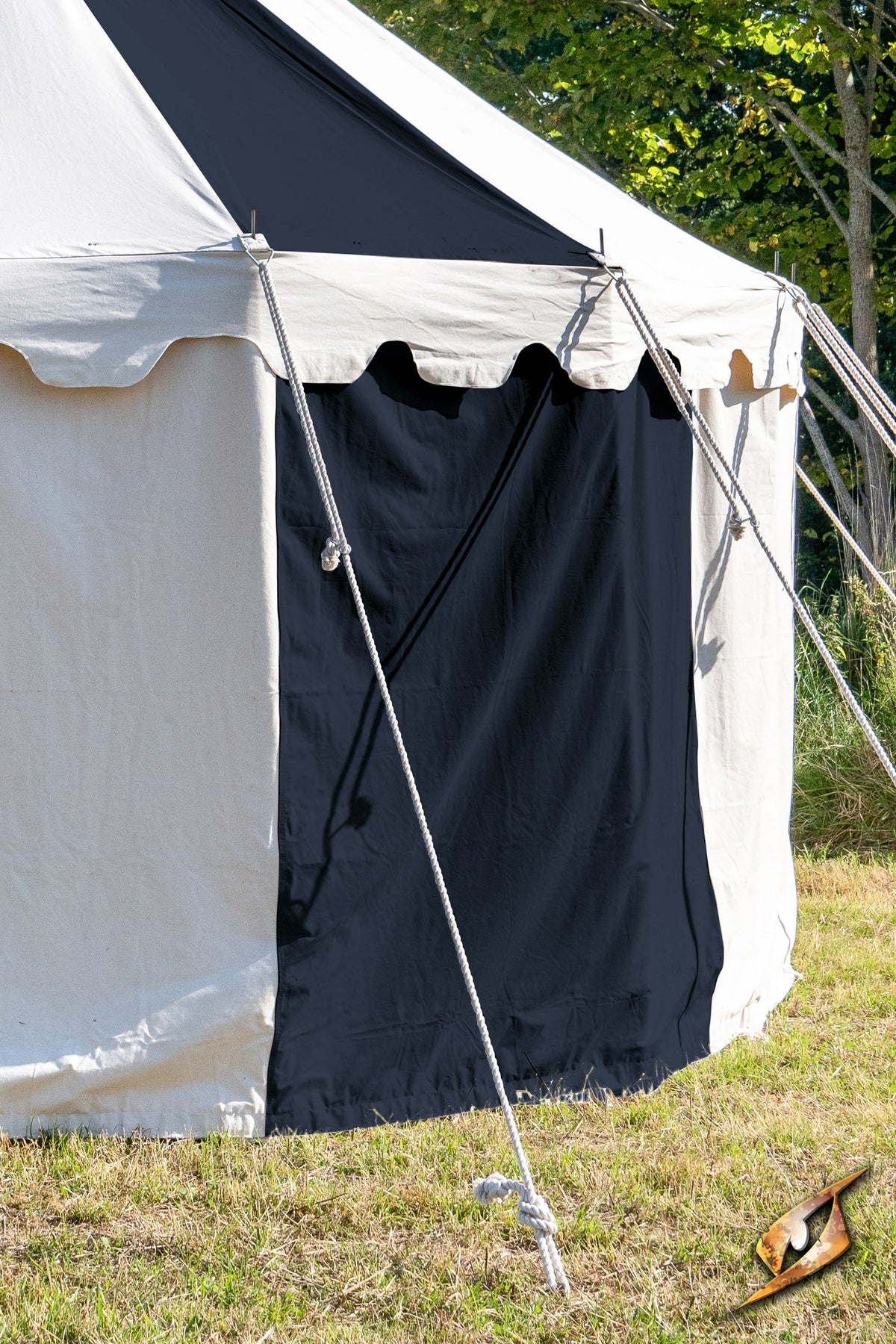
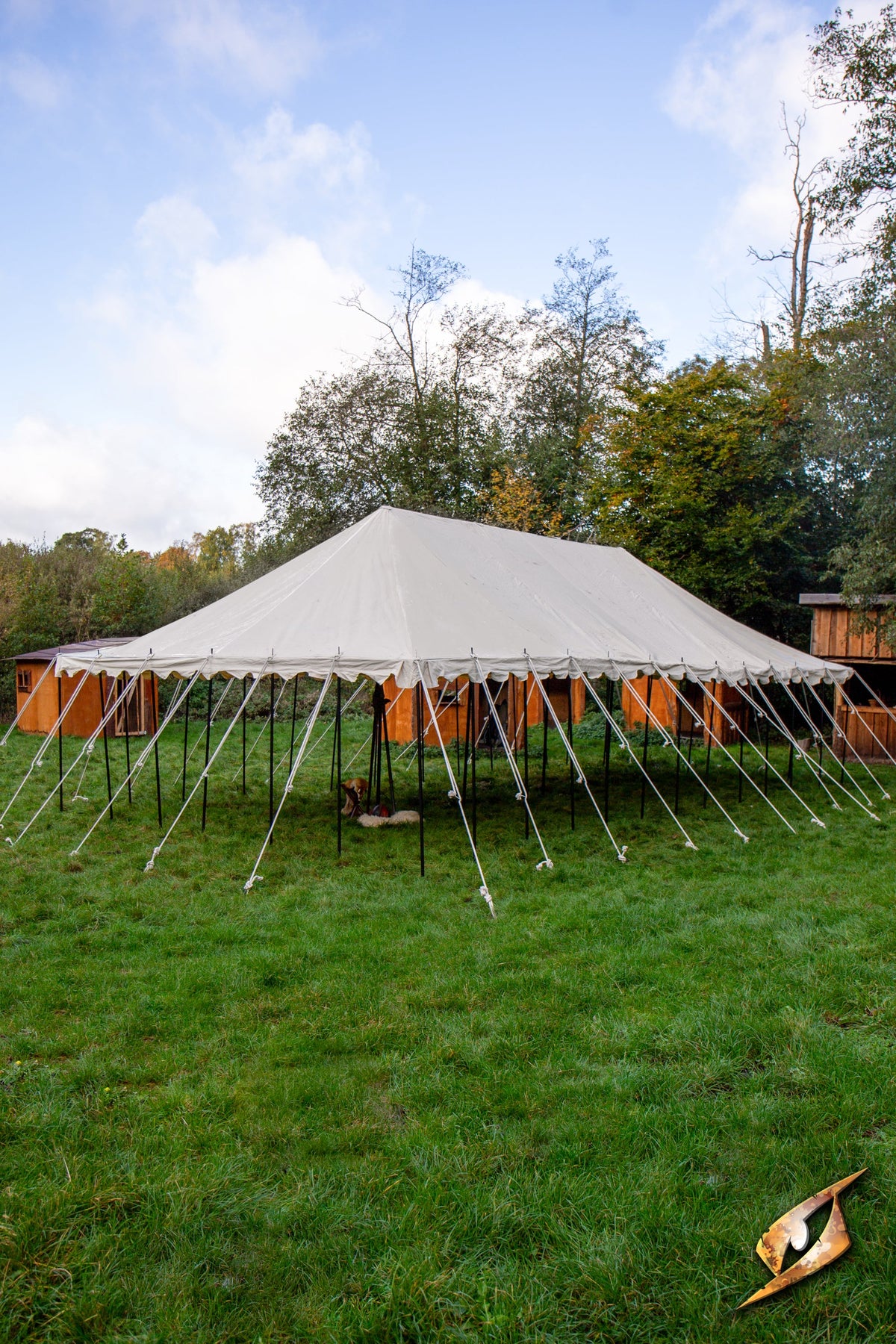
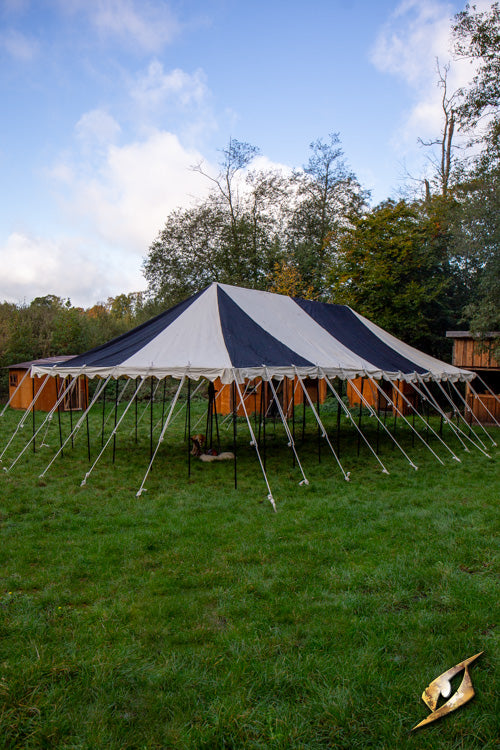
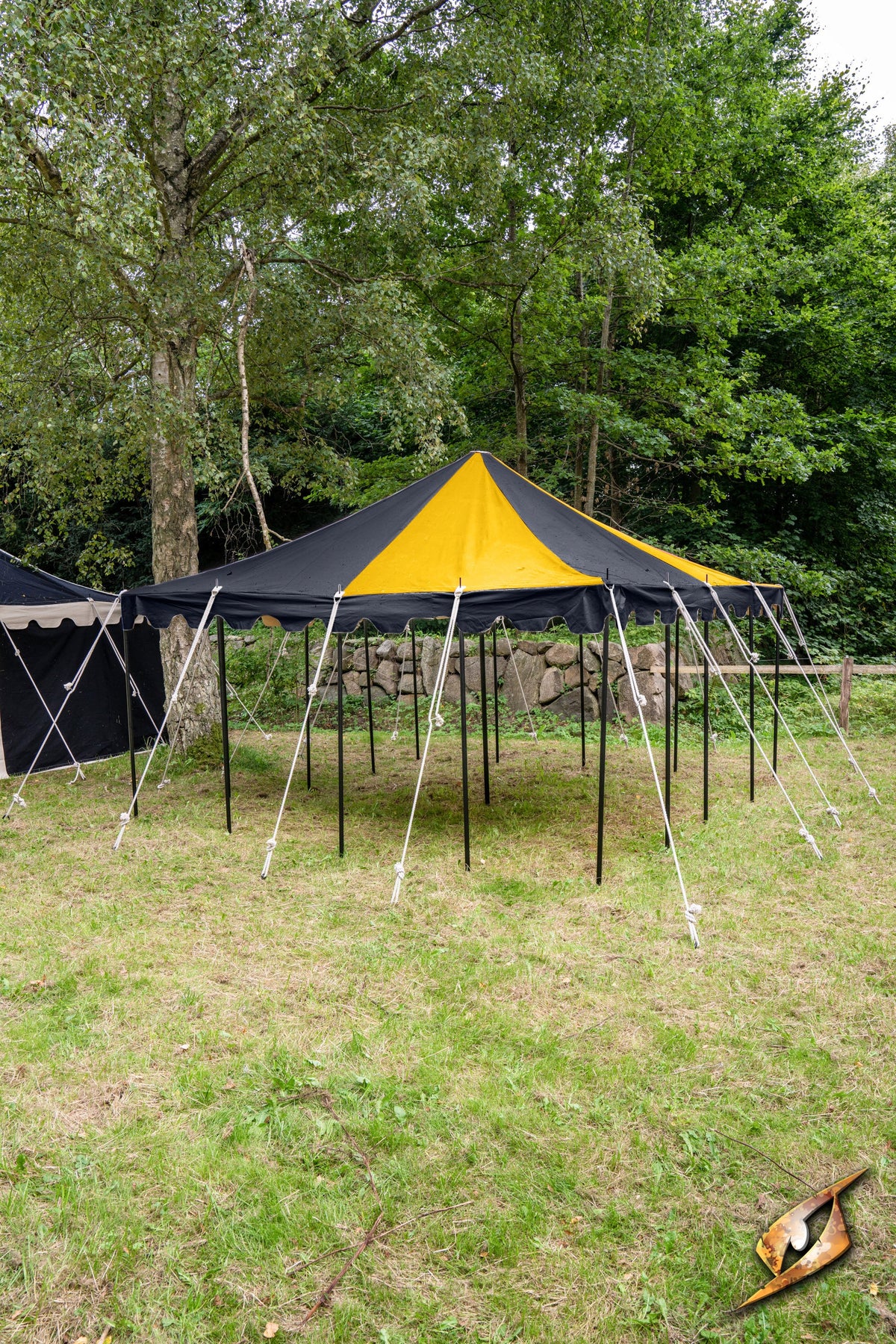
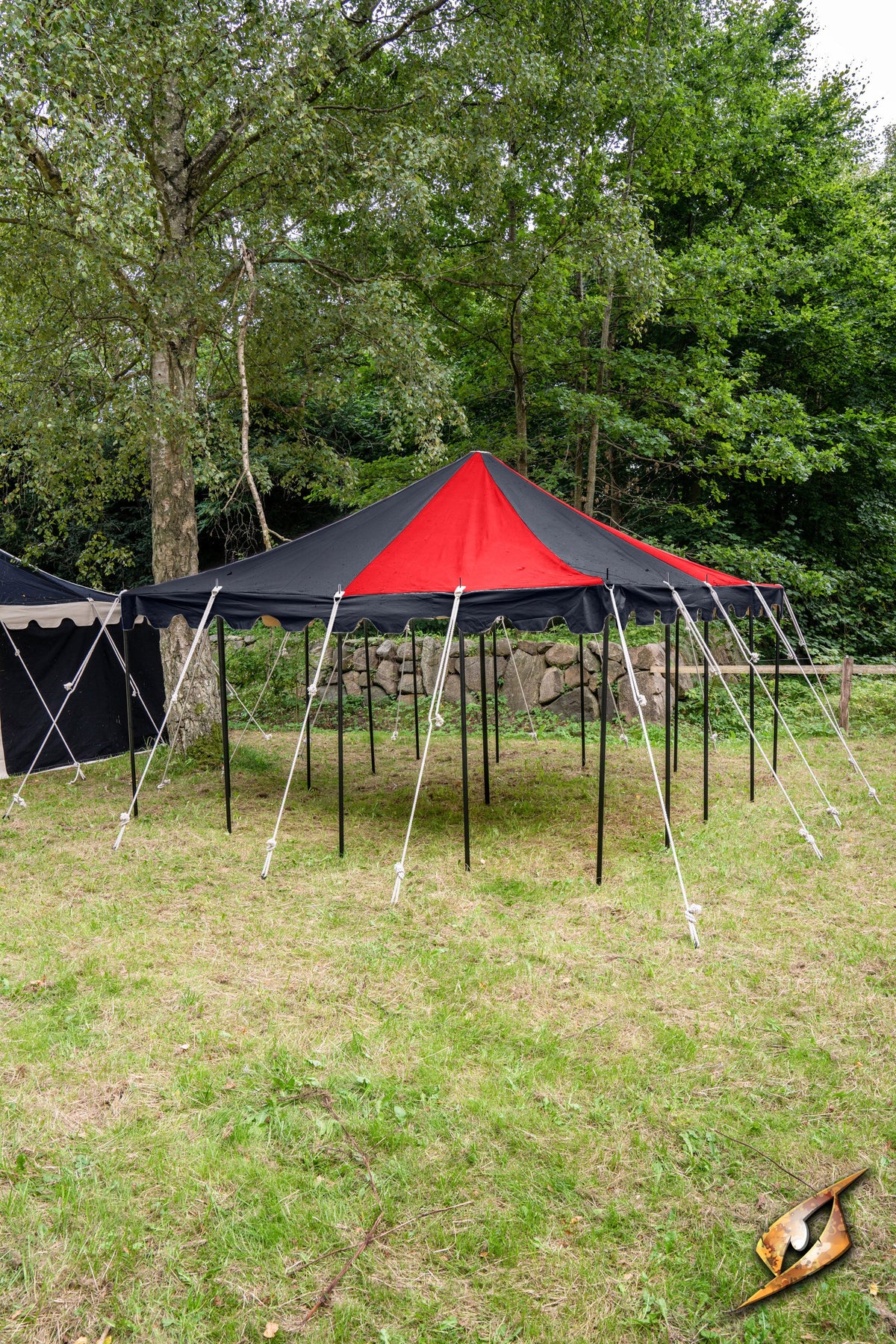
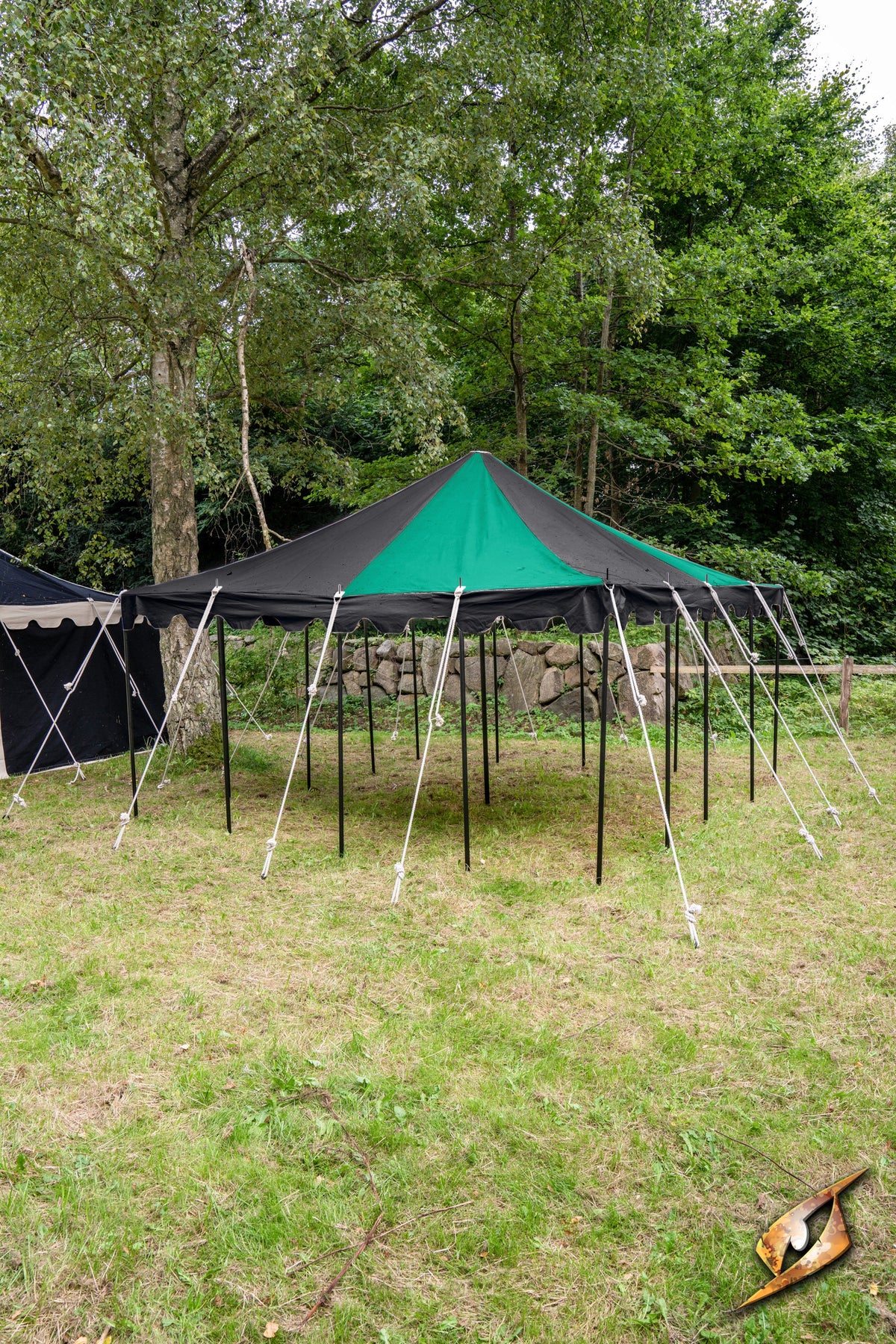
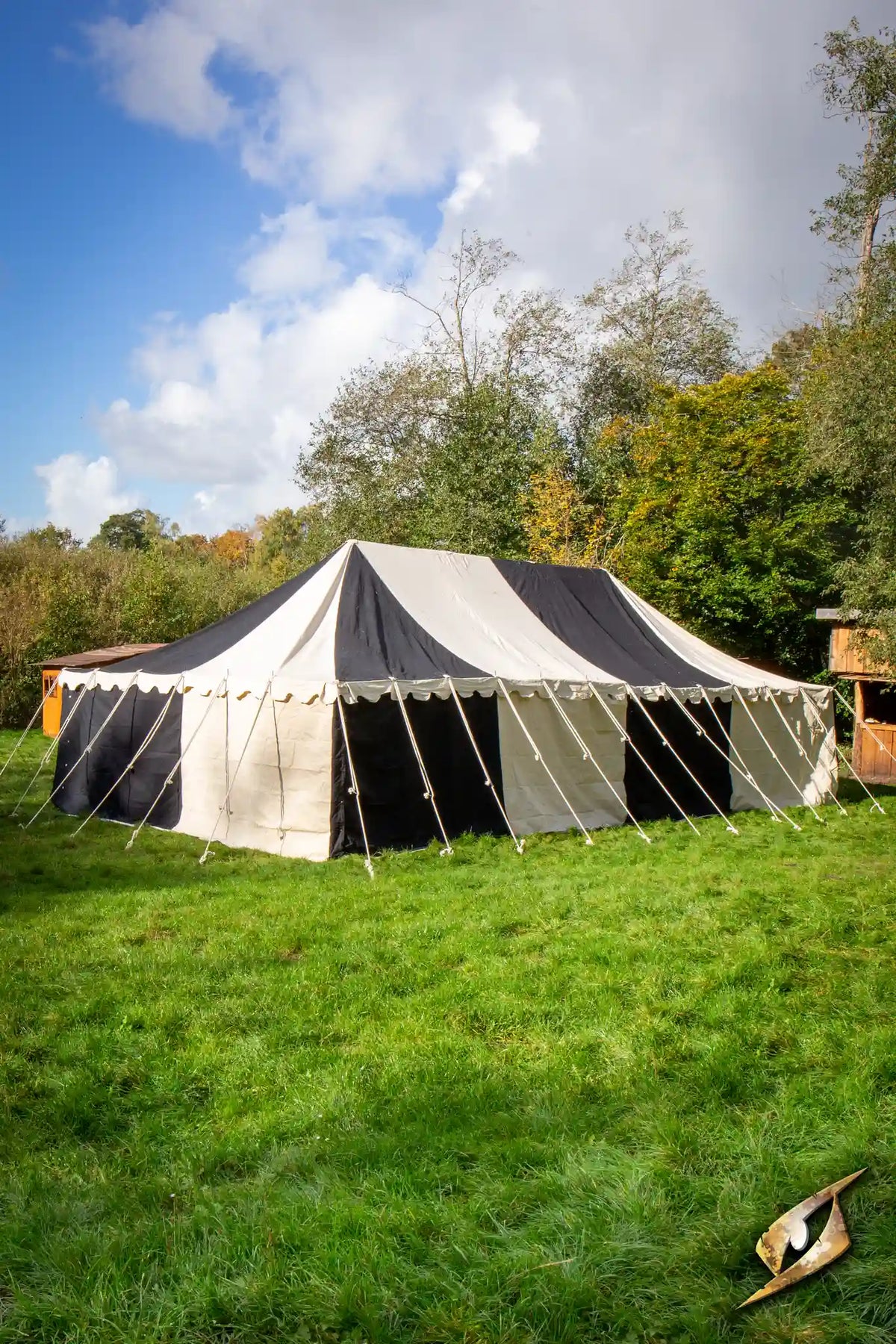
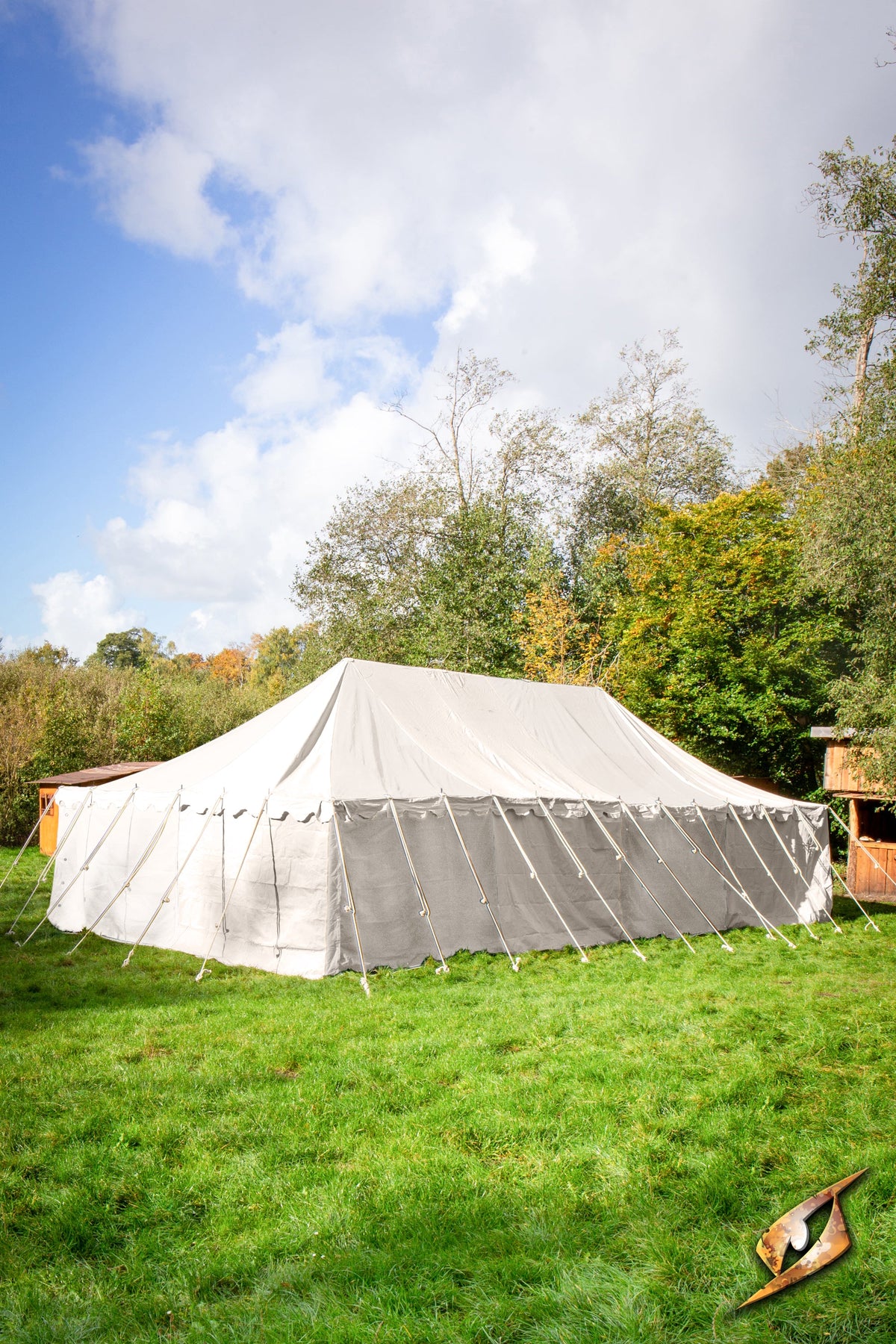
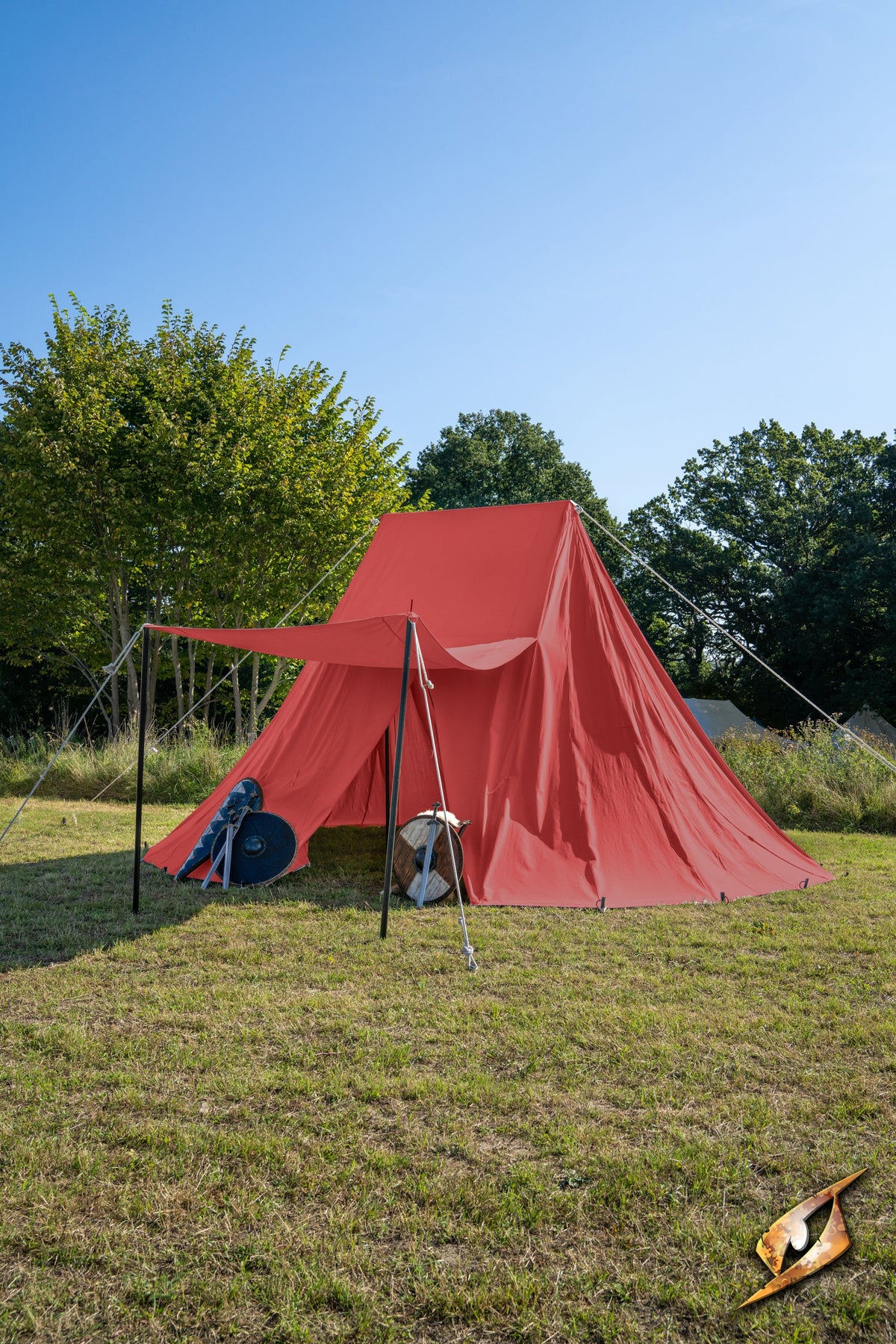
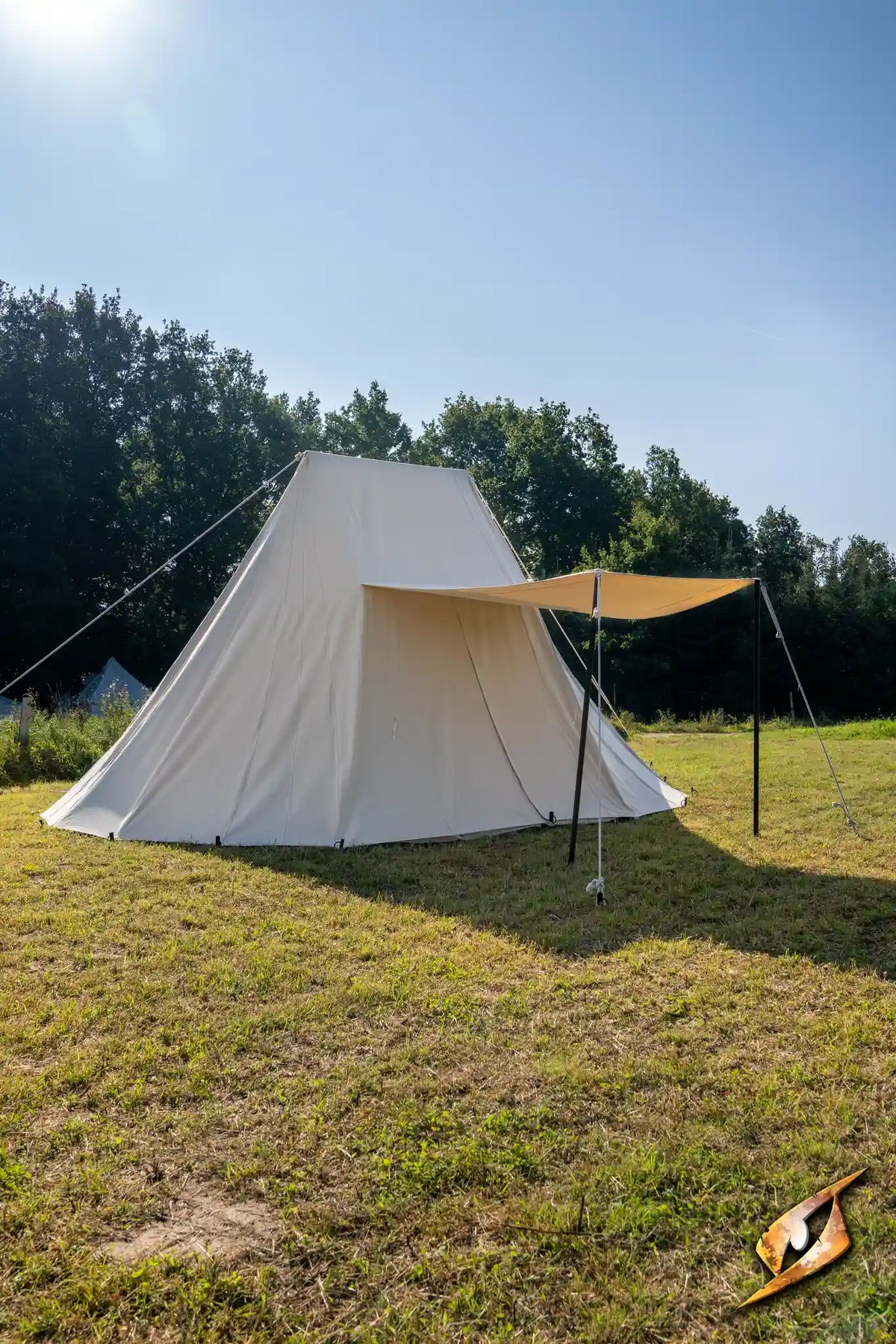
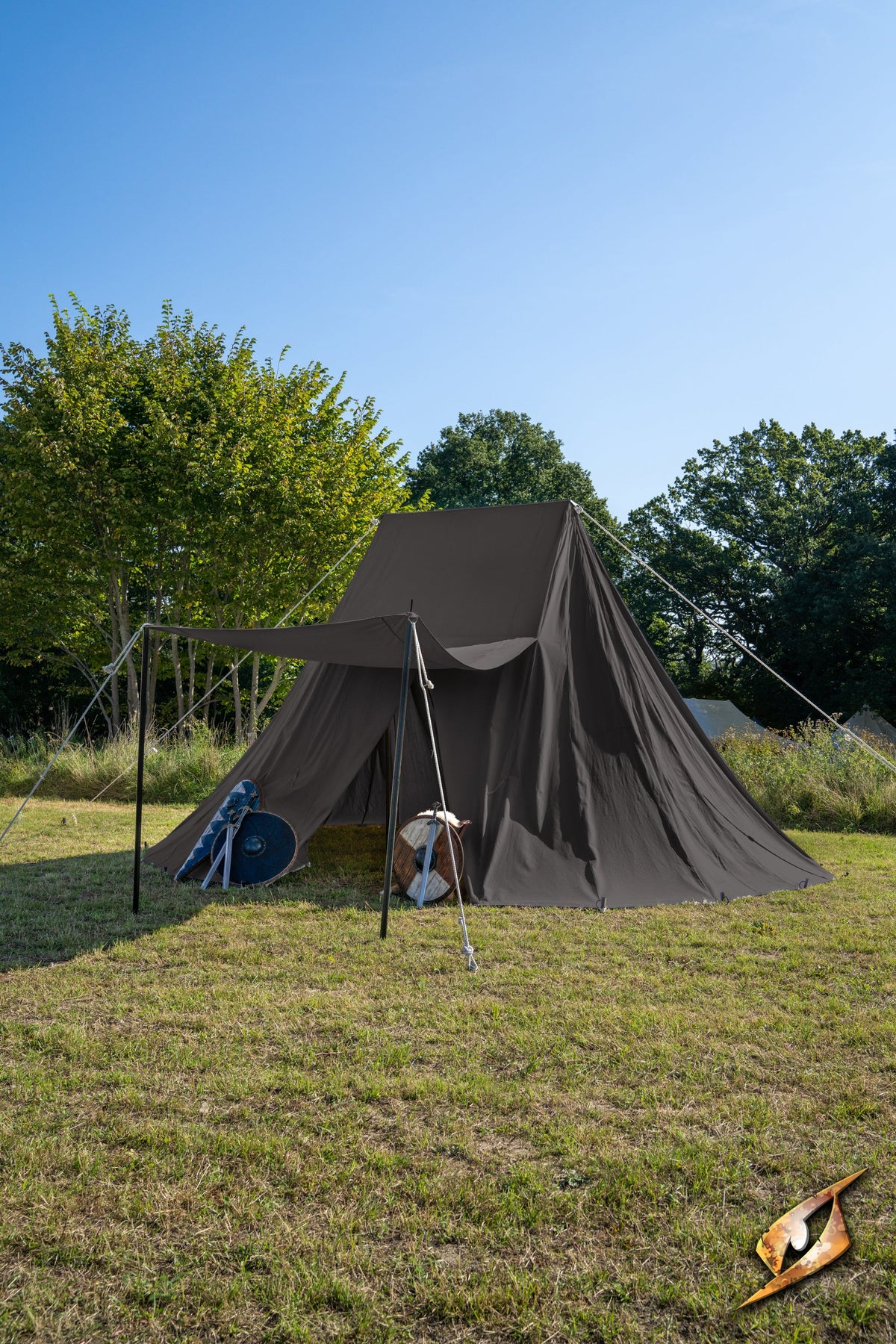
- Medieval Tents: Explore rectangle pavilion tents and double wedge Norman tents built for stable shelter and a clear historical profile.
We encourage you to explore the full depth of the middle ages and find the perfect pieces for your next adventure.