
How to safely play on romance in LARP?
Romance, longing, crushes, and emotional drama are not side quests in LARP. They are often the main story. When played well, romance creates some of the strongest memories players take home. When played badly, it creates awkwardness, confusion, and hurt feelings. Here, we explain how to do the first and avoid the second.
Why play on romance?
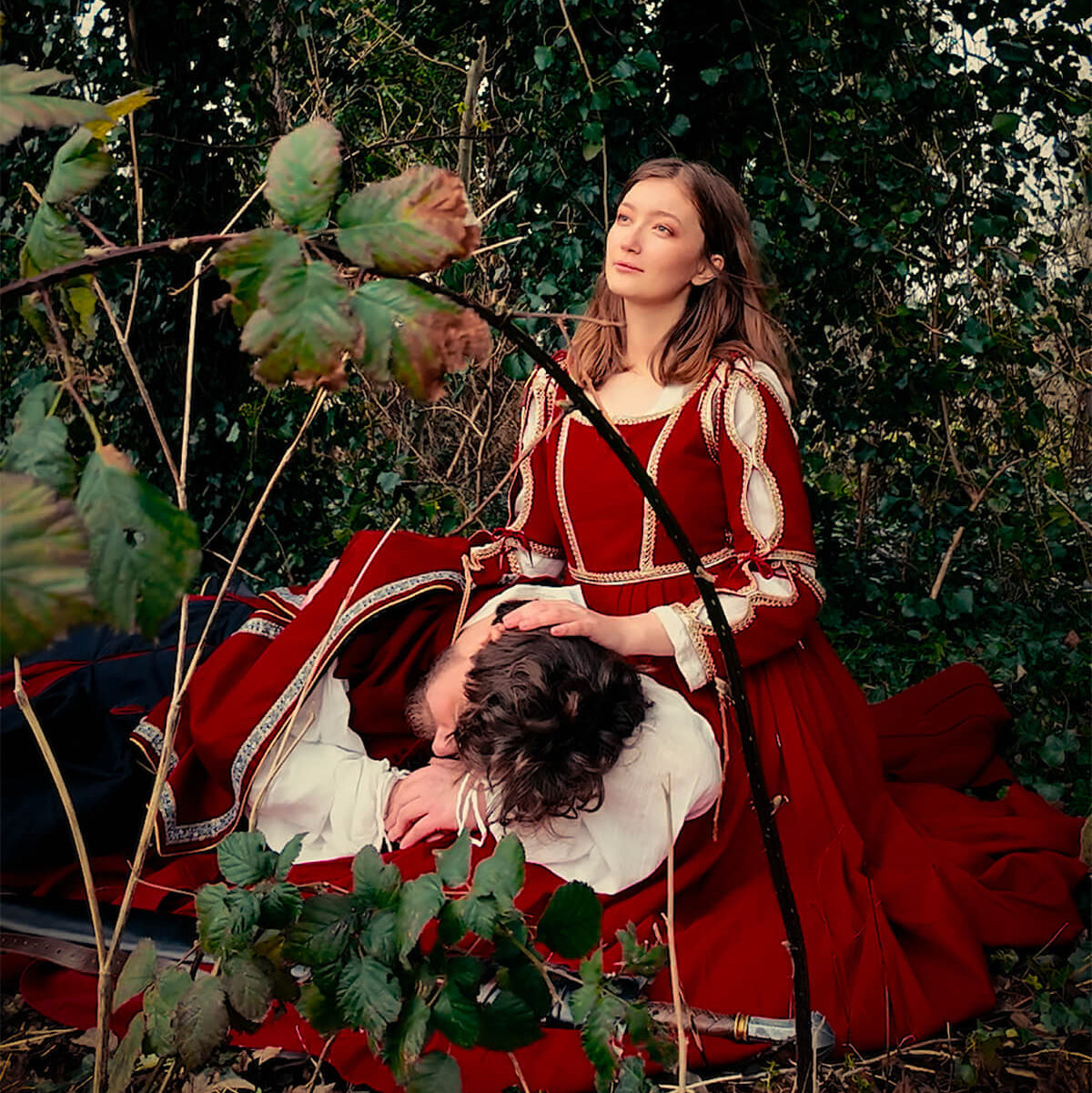
Romance adds something few other elements can: emotional stakes.
Playing romantic relationships in LARP allows players to explore vulnerability, attachment, jealousy, devotion, and heartbreak in a controlled fictional space. Romantic character connections often deepen immersion and give characters stronger motivations, making their choices feel more meaningful and personal. Romantic scenes, due to their personal nature, can be far more impactful than combat, politics or competition.
Romance also creates narrative momentum. A forbidden affair, a political wedding, a marriage on the cliffs, a passionate love triangle, a secret crush or unrequited feelings can drive plot forward without organisers needing to push external conflict.
Finally, romance is fun. It gives players permission to play with drama, longing, tension, and release. When everyone involved is on the same page, romantic play can be thrilling, silly, tender, tragic, or all of the above in the same weekend.
How to Play on Romance?
Romance works best when it is intentional rather than accidental. Usually, every LARP has their own game mechanics to play out physical romantic interactions while respecting everyone’s boundaries, but here are a few points that are always going to be relevant:

1. Set expectations early (calibration)
If you have a pre-agreed or pre-written romantic connection for your character, talk with your co-player about what kind of romance you want to explore and what is off-limits, before the game begins. This is called “calibration”. Clear communication about expectations and boundaries may seem daunting and awkward, but it is essential to keep everyone safe, prevent misunderstandings, and make it easier to relax in the fictional setting of the game.
Many LARP events also encourage ongoing calibration between players. This usually happens in an off-game space or by briefly stepping into a quiet corner, so the immersion of others isn’t disrupted. So if an organic romantic connection develops between characters, make a point of checking in about romantic boundaries and play escalation as well.
These calibrations do not have to be heavy or clinical. A simple conversation about tone, intensity, and physicality is often enough.
2. Use symbolic and structured mechanics
Romantic play does not require real physical intimacy. Many Nordic-inspired larps rely on symbolic actions, often borrowed from theatre, to represent different levels of closeness.
These can range from cupping someone’s face and placing a finger between the lips to fake a passionate kiss, to a “fade to black” where players agree out of character on what happened behind closed doors and how it should affect the next phase of play.
These types of systems make sure the romantic interactions are aimed at developing character relationships and game play, while allowing strong emotional expression without physical discomfort.
3. Build romance gradually
Romance is rarely compelling if it appears fully formed and without challenges. Let attraction, tension, and uncertainty develop over the course of the game.
A practical way to do this is by first finding a context within the overarching story that supports relationship development. From there, if both players escalate at the same pace, romance feels earned and organic rather than forced.
Letting emotional connection grow naturally through a succession of interactions that fit into the wider scope of your character’s story lines, ensures you have genuine relationship escalation rather than scripted interaction.
4. Check in after play
Romance in LARP can feel very real. It is not a flaw, and it is alright to enjoy the feeling, but it does require awareness. Feeling genuine affection, attraction, or heartbreak after romantic play is common, and that real emotional weight may need time to settle after the game.
Players may experience “bleed,” where the emotions of the character linger and blend with the player’s own feelings. Taking a short moment to debrief with your in-game romantic partner after play helps draw a clear line between character and player. It allows space to process what happened, and makes sure everyone leaves the experience feeling safe, grounded, and positive about the shared story.
The key is recognising it for what it is: a response to shared fiction.

5. LARP crushes are normal
Developing a crush on a co-player is entirely natural and often stems from shared vulnerability, heightened attention, and emotional intensity, rather than genuine romantic compatibility. Talking after the game and getting to know the person behind the character helps put those emotions into perspective. Usually, the crush fades once the shared game context and heightened intensity are gone, and acknowledging a crush without impulsively acting on it is often the best response. It is also important to remember that consent is not a one-time agreement. Comfort levels can change, and the person you meet after the game is not the same as the character you played with. Additionally, if you or your co-player are in real-life relationships, transparency matters.
Continuing to communicate clearly about boundaries, and seeking enthusiastic consent before acting helps ensure that everyone feels respected, safe, and cared for even after the game is over.
Read more about romance in larp
There are many perspectives about romance play in LARP. Here are some more resources to explore on various aspects of the subject:
Love, romance and larp – Playing romantic love in larps, by Merli Juustila
Larp Love, Not War: Nordic methods for sexy roleplaying, by Lizzie Stark
Romancing the Roleplayer: Communication is Key, by Ericka Skirpan
Intro To Ars Amandi, by Lizzie Stark
The 4 Cs of Larping Love, by Oliver Nøglebæk
Larp Crush: The What, When and How, by Sanne Harder
Read more
50 significant historical Medieval events to inspire LARP narratives
The medieval period (500 to 1500 AD) offers one of the richest foundations for live-action roleplay. It is defined by unstable power, sacred authority, fragile alliances, cultural collisions and co...
Read more
Weathering and Aging Leather Armour
Adding age and wear to leather armor can create a sense of realism, making it look well-used in battles or adventures. Follow these steps to antique leather pieces for film, cosplay, or LARP events.
Read more